





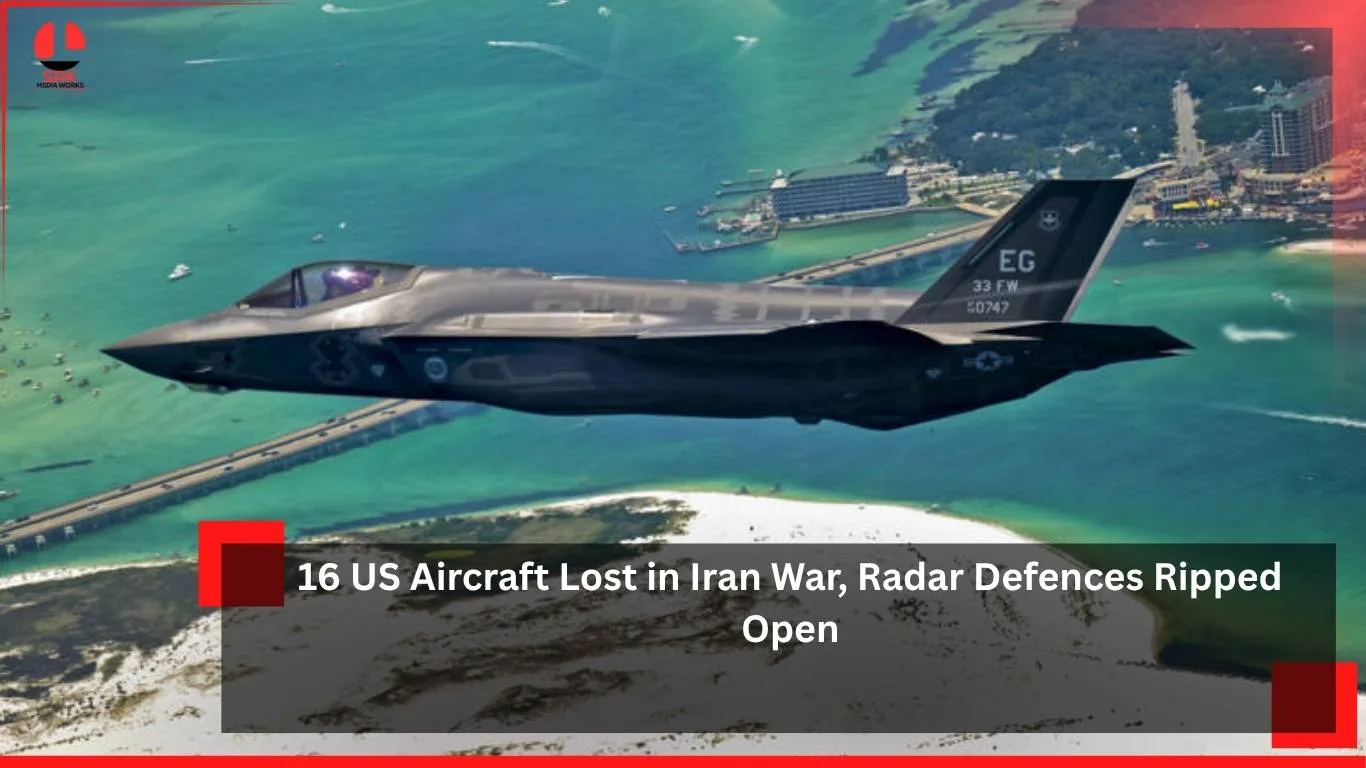
The ongoing conflict between the United States and Iran has reached a critical juncture, with reports confirming that 16 American aircraft have been lost in combat operations. The losses, attributed to Iran’s layered air defence systems, have exposed vulnerabilities in U.S. strike strategies and raised questions about the effectiveness of radar suppression tactics. Analysts suggest that while U.S. forces managed to penetrate Iranian radar networks, the cost in aircraft and personnel underscores the intensity of the confrontation.
Background of the Conflict
The war erupted following escalating tensions over Iran’s nuclear program and regional influence. U.S. forces launched coordinated strikes aimed at crippling Iran’s military infrastructure, particularly its radar and missile defence systems. However, Iran’s integrated air defence network proved more resilient than anticipated, leading to significant American losses.
Details of Aircraft Losses
- Total Losses: 16 aircraft confirmed destroyed.
- Types of Aircraft: Reports indicate a mix of fighter jets and support aircraft.
- Cause of Losses: Heavy anti-aircraft fire, surface-to-air missiles, and radar-guided systems.
- Operational Impact: Reduced air superiority and increased risk for subsequent missions.
Radar Defences Ripped Open
Despite the losses, U.S. forces achieved partial success in dismantling Iran’s radar defences. Precision strikes targeted key radar installations, creating gaps in Iran’s surveillance coverage. This allowed American aircraft to penetrate deeper into Iranian territory, though at considerable cost.
Comparative Analysis of Air Combat Outcomes
| Aspect | US Forces | Iranian Defences | Outcome |
|---|---|---|---|
| Aircraft Losses | 16 confirmed destroyed | Several radar sites hit | Heavy losses but partial success |
| Radar Suppression | Precision strikes on installations | Layered radar network | Defences weakened but not eliminated |
| Air Superiority | Compromised due to losses | Maintained partial coverage | Tactical setback for US |
| Strategic Impact | Reduced operational flexibility | Increased morale for Iran | Prolonged conflict expected |
Pivot Analysis: US Strategy vs Iranian Resilience
| US Strategy | Iranian Response | Expected Outcome |
|---|---|---|
| Radar suppression strikes | Layered defence with redundancy | Partial penetration, heavy losses |
| Air superiority tactics | Missile and anti-aircraft fire | Aircraft losses, reduced dominance |
| Precision targeting | Mobile radar units | Limited effectiveness, ongoing threat |
| Psychological warfare | Publicizing aircraft losses | Boosts Iranian morale, weakens US image |
Global Reactions
- United States: Officials acknowledge the losses but emphasize progress in degrading Iran’s defences.
- Iran: Celebrates the downing of U.S. aircraft as proof of resilience and deterrence.
- Allies: NATO members express concern over the scale of losses, urging caution.
- Global Markets: Oil prices surge amid fears of prolonged instability in the Gulf region.
Implications for Military Strategy
- Reassessment of Air Campaigns: The U.S. may need to recalibrate its reliance on air superiority.
- Increased Use of Drones: To minimize pilot casualties, unmanned systems could play a larger role.
- Cyber Warfare Integration: Disabling radar through cyber means may become a priority.
- Diplomatic Pressure: Losses may push Washington to seek stronger international backing.
Historical Context
Air combat losses of this scale are rare for U.S. forces in modern conflicts. Comparisons are being drawn to Vietnam, where radar-guided defences inflicted heavy casualties. The Iran war highlights how advanced air defence systems can challenge even the most sophisticated militaries.
Challenges Ahead
- Maintaining Morale: Sustaining troop confidence amid losses is critical.
- Securing Air Superiority: Without dominance in the skies, ground operations face higher risks.
- Managing Public Opinion: Heavy losses may fuel domestic opposition to the war.
- Preventing Escalation: The conflict risks drawing in regional powers, complicating U.S. strategy.
Conclusion
The loss of 16 U.S. aircraft in the Iran war marks a sobering moment for American military planners. While radar defences were partially ripped open, the cost in lives and equipment underscores the resilience of Iran’s defence network. As the conflict continues, the U.S. faces the dual challenge of maintaining operational effectiveness while managing global perceptions of its military strength.
Disclaimer
This article is based on publicly available reports and expert commentary. It does not represent official military statements or classified intelligence. Readers should interpret the content as journalistic analysis, recognizing that wartime developments are fluid and subject to rapid change.