




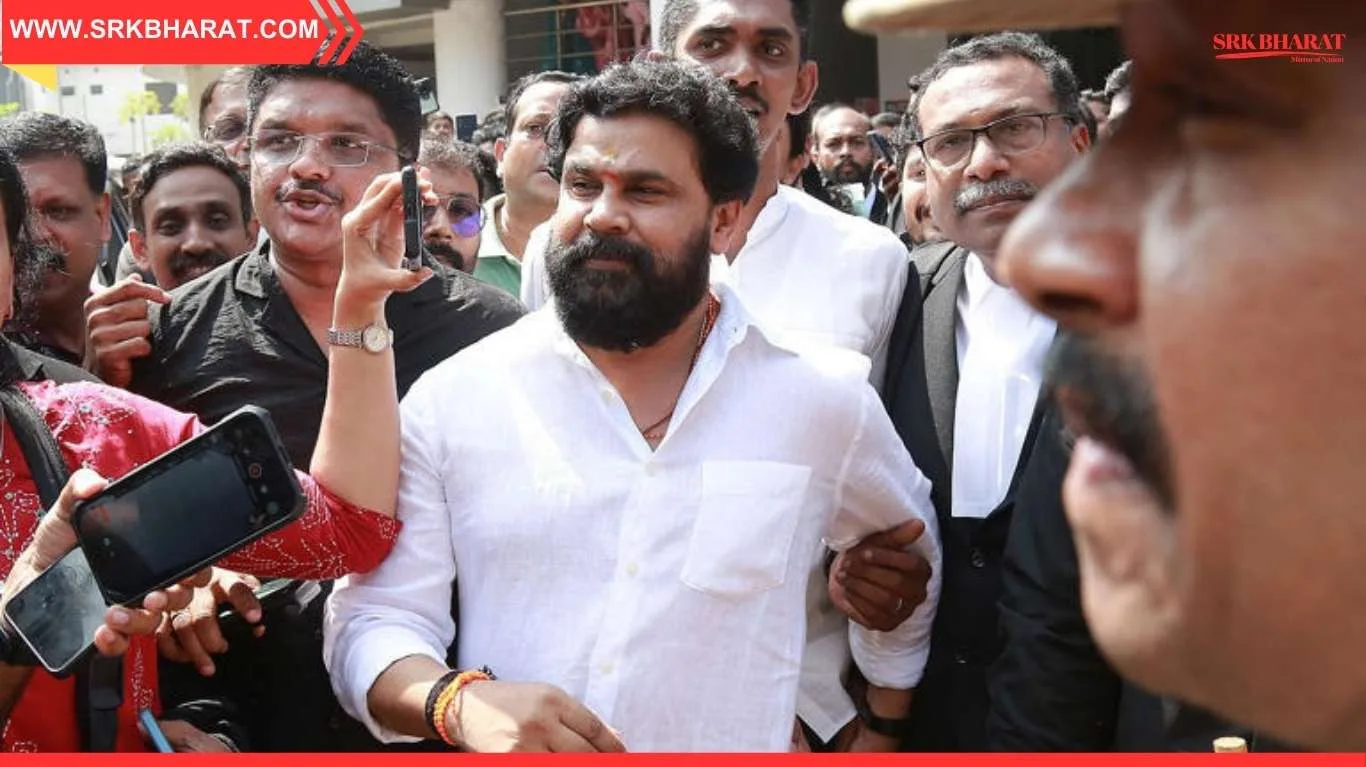
The 2017 Kerala actor abduction case remains one of the most sensational and closely followed criminal investigations in India’s recent history. The case, which involved the abduction and assault of a prominent actress, shook the Malayalam film industry and sparked nationwide outrage. Years later, as the trial and legal proceedings continue to attract attention, a probe officer has revealed that the investigation team enjoyed “complete freedom” and “unwavering support from seniors throughout the process.”
This statement highlights the integrity of the investigation and underscores the importance of institutional backing in handling sensitive cases that involve high-profile individuals and powerful networks.
Key Highlights
- Probe officer confirms full freedom and senior support during investigation.
- 2017 case involved abduction and assault of a leading actress in Kerala.
- Actor Dileep was named as an accused, sparking industry-wide debates.
- Case exposed deep-rooted issues of power, influence, and gender safety in cinema.
- Legal proceedings continue to shape public discourse on justice and accountability.
Background of the Case
In February 2017, a leading actress was abducted and assaulted while traveling to Kochi. The incident sent shockwaves across Kerala and the entire country. The police investigation quickly identified suspects, and the case took a dramatic turn when popular actor Dileep was accused of conspiracy.
The case became a watershed moment for the Malayalam film industry, exposing issues of misogyny, exploitation, and the vulnerability of women in cinema. It also triggered the formation of the Women in Cinema Collective (WCC), which has since advocated for gender equality and safety in the industry.
Statistical Overview of the Case Timeline
| Year | Key Event | Impact |
|---|---|---|
| 2017 | Abduction and assault reported | Sparked nationwide outrage |
| 2017 | Arrest of prime accused | Case gained media spotlight |
| 2017 | Actor Dileep named as accused | Industry divided, debates intensified |
| 2018 | Chargesheet filed | Legal battle escalated |
| 2021 | Fresh evidence presented | Extended trial proceedings |
| 2025 | Probe officer statement | Reinforces credibility of investigation |
Impact of Investigation Freedom
| Factor | Impact on Probe Team | Impact on Case | Impact on Society |
|---|---|---|---|
| Senior support | Boosted morale, ensured impartiality | Strengthened evidence collection | Increased public trust |
| Complete freedom | Allowed unbiased investigation | Prevented external influence | Reinforced rule of law |
| High-profile nature | Tested institutional integrity | Maintained transparency | Highlighted gender safety issues |
| Long-term outlook | Set precedent for future cases | Ensured accountability | Inspired reforms in cinema industry |
Why the Probe Officer’s Statement Matters
- Institutional Integrity: Confirms that investigators were not pressured or influenced.
- Public Trust: Reinforces confidence in law enforcement agencies.
- Gender Justice: Highlights seriousness with which crimes against women were handled.
- Industry Accountability: Sends a message to powerful individuals that justice cannot be compromised.
Expert Views
Legal experts argue that the case is a landmark in India’s criminal justice system, particularly in handling crimes against women involving influential figures. They note that the probe officer’s statement about freedom and support reflects the importance of institutional backing in ensuring justice.
Film industry analysts emphasize that the case has permanently altered the discourse on gender safety in cinema. The Women in Cinema Collective continues to push for reforms, citing the case as a turning point.
Public and Political Reactions
The public has closely followed the case, with widespread support for the victim and calls for accountability. Political leaders across parties condemned the incident, while civil society groups demanded stronger protections for women in the workplace.
Social media platforms have kept the case alive in public memory, with hashtags trending whenever new developments occur. The probe officer’s recent statement has reignited discussions about the credibility of the investigation and the importance of institutional independence.
Historical Context
Kerala has long been celebrated for its progressive social indicators, but the 2017 case exposed vulnerabilities in gender safety. Historically, crimes against women in the entertainment industry have often been underreported or silenced due to power dynamics. The case broke this pattern, leading to greater awareness and advocacy.
Extended Analysis
The case reflects broader themes in Indian society and governance:
- Gender Safety: Reinforces the need for systemic reforms to protect women in workplaces.
- Judicial Delays: Highlights challenges in ensuring timely justice in high-profile cases.
- Media Role: Demonstrates how media coverage can sustain public interest and pressure.
- Institutional Independence: Shows that freedom and support for investigators are crucial in sensitive cases.
For the victim, the case represents a long struggle for justice. For the film industry, it is a wake-up call to address systemic issues. For society, it underscores the importance of accountability and gender equality.
Conclusion
The 2017 Kerala actor abduction case remains a defining moment in India’s fight for gender justice and accountability in the entertainment industry. The probe officer’s statement that the team had “complete freedom” and “support from seniors throughout” reinforces the credibility of the investigation and highlights the importance of institutional backing in sensitive cases. As legal proceedings continue, the case serves as a reminder of the need for vigilance, reforms, and unwavering commitment to justice.
Disclaimer
This article is based on publicly available updates, expert commentary, and public reactions. It is intended for informational and editorial purposes only, offering insights into the 2017 Kerala actor abduction case and the probe officer’s statement on investigation freedom.