


The ongoing US-Israel war has reshaped the geopolitical landscape of the Middle East, but what has truly surprised Washington is Iran’s swift and calculated response. While many analysts expected Tehran to adopt a cautious stance, Iran’s actions have been far more assertive, signaling its intent to play a decisive role in the conflict. This unexpected move has left US policymakers scrambling to reassess strategies and alliances.
Iran’s Response: A Strategic Surprise
Iran’s reaction to the war has been multi-dimensional, combining military, diplomatic, and economic maneuvers.
- Military Posturing: Iran mobilized regional proxies and increased military readiness along key borders.
- Diplomatic Messaging: Tehran framed its actions as defense of sovereignty and regional stability.
- Economic Leverage: Iran hinted at using oil exports and trade routes as tools of pressure.
- Psychological Impact: By acting decisively, Iran projected strength and resilience, catching Washington off guard.
Why Washington Was Surprised
US intelligence and policymakers anticipated a more restrained Iranian response.
- Expectation of Caution: Analysts believed Iran would avoid escalation to protect its fragile economy.
- Underestimation of Resolve: Washington misjudged Iran’s willingness to risk confrontation.
- Proxy Networks: Iran’s ability to mobilize allies across the region was underestimated.
- Narrative Control: Tehran successfully framed its actions as defensive, gaining sympathy in parts of the global community.
Comparative Analysis of Stakeholder Positions
| Stakeholder | Position on Iran’s Response | Key Concerns |
|---|---|---|
| United States | Surprised, reassessing strategy | Regional stability, military escalation |
| Israel | Sees Iran as direct threat | Security, survival, deterrence |
| Iran | Frames actions as defensive | Sovereignty, regional influence |
| Gulf States | Concerned about spillover | Economic stability, security |
| International Community | Calls for restraint | Prevent escalation, protect trade routes |
Historical Context
Iran’s assertive response is rooted in decades of tension with the US and Israel.
- 1979 Revolution: Set the stage for hostility with Washington.
- Proxy Conflicts: Iran has long used regional allies to project influence.
- Sanctions Era: Economic pressure has hardened Iran’s resolve.
- Recent Conflicts: Iran’s involvement in Syria and Iraq demonstrated its willingness to act decisively.
Pivot Analysis of Strategic Approaches
| Strategy Focus | Iran’s Approach | US-Israel Approach |
|---|---|---|
| Military Power | Mobilize proxies, show readiness | Direct strikes, deterrence |
| Diplomacy | Frame actions as defensive | Justify war as necessary |
| Economic Tools | Leverage oil and trade routes | Use sanctions and global pressure |
| Narrative | Position as victim of aggression | Present Iran as aggressor |
Regional Security Implications
Iran’s response has heightened fears of broader instability.
- Gulf States: Risk being drawn into conflict.
- Shipping Routes: Strait of Hormuz faces renewed threats.
- Proxy Wars: Potential escalation in Lebanon, Syria, and Iraq.
- Global Powers: China and Russia may exploit the situation to challenge US influence.
Economic Dimensions
The war and Iran’s response have immediate economic consequences.
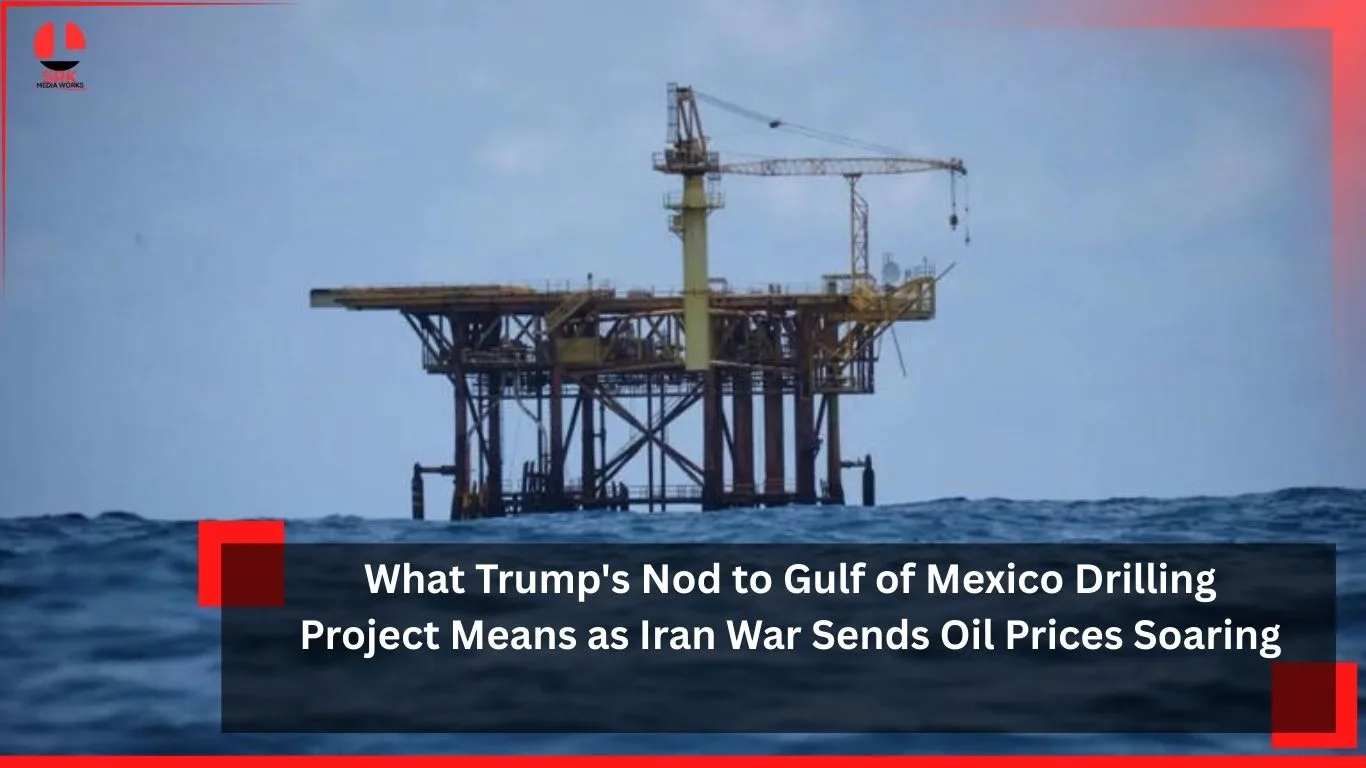
- Oil Prices: Surging due to fears of supply disruption.
- Global Trade: Shipping costs rise amid security risks.
- Domestic Impact: Iran’s economy remains strained but gains leverage through oil diplomacy.
Public and Media Reaction
Iran’s bold response has sparked debate worldwide.
- US Media: Criticizes intelligence failures and policy missteps.
- Iranian Media: Celebrates resilience and defiance.
- Global Media: Highlights risks of escalation and calls for diplomacy.
- Public Opinion: Citizens across the region express fear of wider war.
Conclusion
Iran’s unexpected and assertive response to the US-Israel war has caught Washington off guard, reshaping the dynamics of Middle Eastern geopolitics. By mobilizing proxies, leveraging economic tools, and framing its actions as defensive, Tehran has demonstrated resilience and strategic foresight.
The incident underscores the challenges of predicting Iran’s behavior and the risks of underestimating its resolve. As tensions escalate, the international community faces the urgent task of encouraging dialogue and preventing the conflict from spiraling into a wider regional war.
Disclaimer
This article is based on publicly available information and statements from political stakeholders. It does not endorse any position or confirm the accuracy of claims. Readers are encouraged to follow official updates and independent reporting for verified details.