



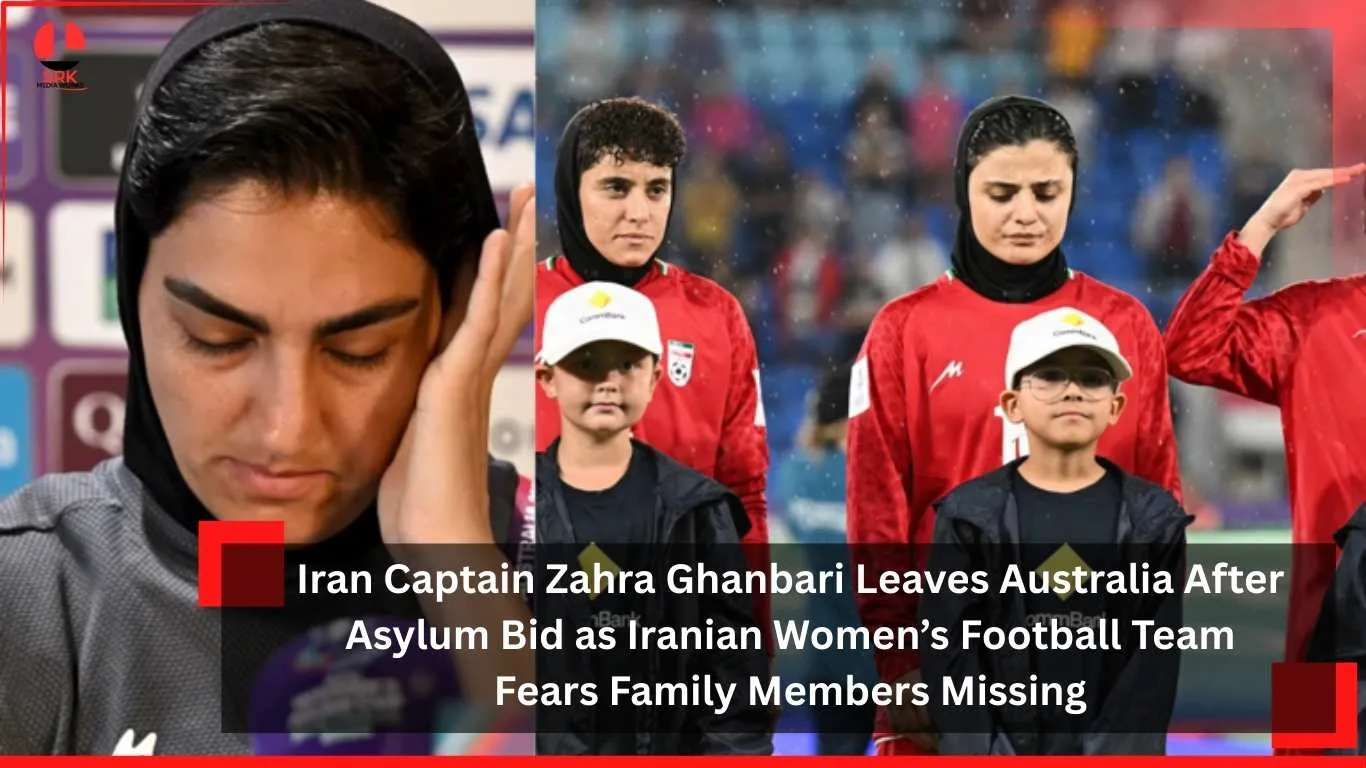
The departure of Zahra Ghanbari, captain of Iran’s women’s football team, from Australia after her asylum bid has sent shockwaves through the sporting and political world. Her exit comes amid growing fears among her teammates that family members back home in Iran may have gone missing, intensifying concerns about the safety of athletes and their relatives in politically sensitive environments.
Background of Zahra Ghanbari’s Asylum Bid
Zahra Ghanbari, a prominent figure in Iranian women’s football, had sought asylum in Australia following reports of increasing restrictions and pressures faced by female athletes in Iran. Her decision was seen as both a personal move for safety and a symbolic act highlighting the struggles of women in sports under restrictive regimes.
- Reason for Asylum: Concerns over personal safety and freedom of expression.
- Impact on Team: Sparked fears among teammates about repercussions for their families.
- Global Attention: The case drew international focus on the intersection of sports and human rights.
Departure from Australia
Despite her asylum bid, Ghanbari has now left Australia. The reasons remain unclear, but speculation ranges from diplomatic pressure to personal decisions influenced by family circumstances.
Key developments:
- Sudden Exit: Departure was unexpected and has raised questions about her safety.
- Team Concerns: Teammates fear family members in Iran may have been targeted.
- International Reaction: Human rights groups have expressed alarm over the situation.
Iranian Women’s Football Team’s Fears
Members of the Iranian women’s football team have voiced concerns that their families may be missing or under surveillance. This has created an atmosphere of fear and uncertainty, affecting both their morale and ability to focus on the sport.
| Concern Type | Impact on Players | Broader Implications |
|---|---|---|
| Family Safety | Anxiety and distraction | Reduced performance and participation |
| Political Pressure | Fear of repercussions | Potential withdrawal from competitions |
| International Scrutiny | Media attention | Increased calls for global intervention |
This table illustrates how personal fears are translating into broader challenges for the team.
Historical Parallels
The intersection of sports and politics has often led to athletes seeking asylum or facing repercussions:
| Year | Athlete/Team | Context | Outcome |
|---|---|---|---|
| 1980s | Eastern Bloc Athletes | Cold War restrictions | Defections during international events |
| 2016 | Syrian Refugee Athletes | Civil war and displacement | Competed under refugee flag at Olympics |
| 2022 | Afghan Women Footballers | Taliban takeover | Relocated to safe countries |
| 2026 | Zahra Ghanbari (Iran) | Political restrictions, family fears | Departure from Australia amid asylum bid |
This comparison shows how athletes often become symbols of resistance and resilience in times of political turmoil.
Global Reactions
The incident has drawn strong reactions from international organizations:
- Human Rights Groups: Condemned the situation and called for protection of athletes.
- Sports Federations: Expressed concern about the impact on women’s football in Iran.
- Governments: Some countries have urged Iran to ensure the safety of athletes and their families.
Implications for Women’s Sports in Iran
The departure of Ghanbari and the fears expressed by her teammates highlight the challenges faced by women athletes in Iran:
- Restricted Freedom: Women face limitations in sports participation and expression.
- Political Surveillance: Families of athletes may be targeted to exert control.
- International Isolation: Such incidents may reduce Iran’s participation in global sports.
Public Sentiment
Public opinion is divided. Supporters of Ghanbari view her as a courageous figure standing up for freedom, while critics argue that her actions may politicize sports. Social media discussions reflect both admiration and concern, with hashtags calling for justice and safety trending globally.
Future Outlook
The situation remains uncertain, with several possible scenarios:
| Scenario | Description | Potential Impact |
|---|---|---|
| Continued Fear | Families remain missing or under pressure | Reduced participation in sports |
| International Action | Global bodies intervene to protect athletes | Improved safety, diplomatic tensions |
| Resolution | Families located and reassured | Restored confidence, gradual stability |
The future of Iranian women’s football will depend on how these fears are addressed and whether international support can provide relief.
Conclusion
Zahra Ghanbari’s departure from Australia after her asylum bid, coupled with fears among Iranian women’s football players about missing family members, underscores the deep challenges faced by athletes in politically sensitive environments. The incident highlights the urgent need for international attention to safeguard both athletes and their families, ensuring that sports remain a platform for empowerment rather than fear.
Disclaimer
This article is based on analytical perspectives and available information. It does not confirm or deny confidential asylum details or family circumstances and should not be interpreted as official government policy. Readers are encouraged to follow verified statements from credible authorities for authoritative updates.