



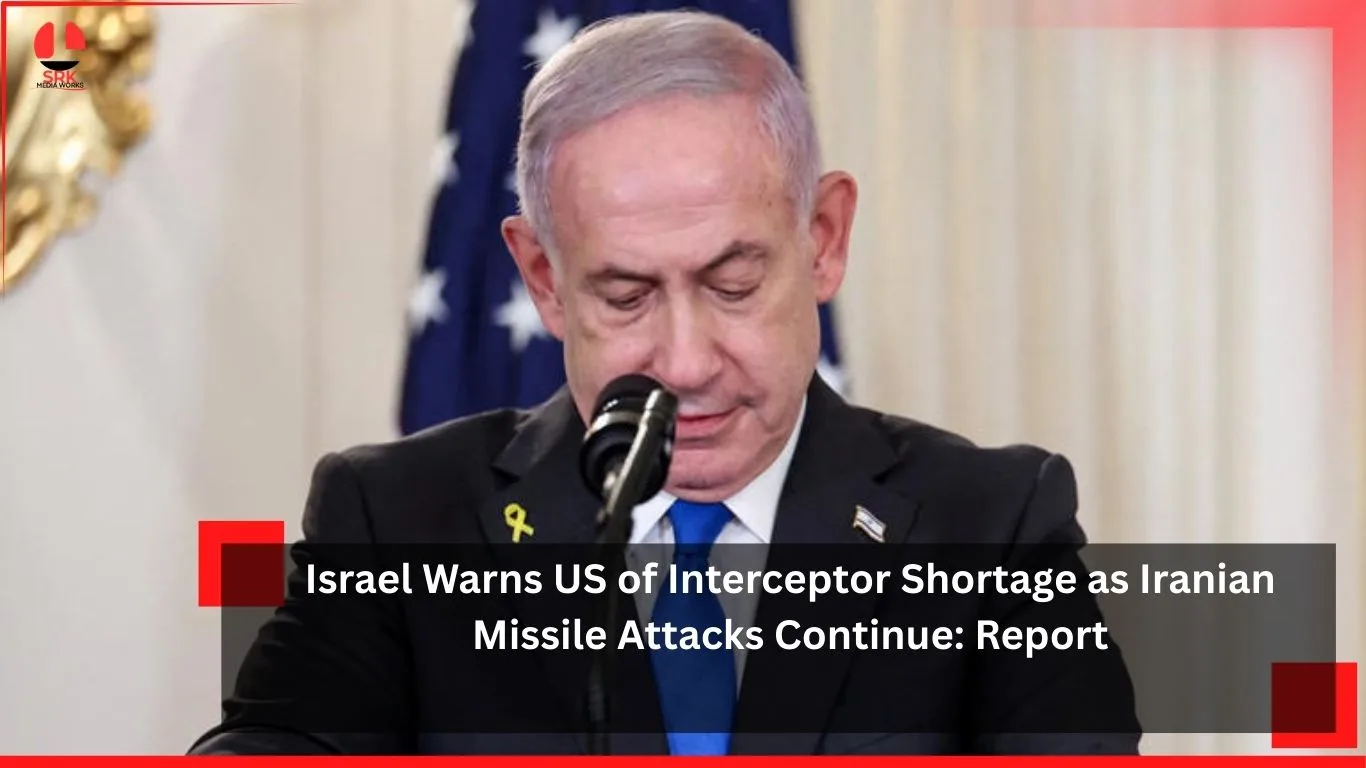
Israel has reportedly warned the United States of a looming shortage of missile interceptors as Iranian missile attacks continue to escalate. The warning highlights the growing strain on Israel’s defense systems, particularly the Iron Dome and other advanced missile defense technologies, which have been heavily relied upon to protect civilian and military infrastructure from sustained rocket and drone strikes.
Background of the Missile Attacks
Iranian-backed groups and direct Iranian strikes have intensified in recent weeks, targeting Israeli cities, military bases, and strategic assets. The frequency and scale of these attacks have placed immense pressure on Israel’s missile defense systems.
- Iron Dome Usage: Designed to intercept short-range rockets, the Iron Dome has been deployed extensively.
- David’s Sling and Arrow Systems: These systems handle medium- and long-range threats but are also facing increased demand.
- Continuous Strikes: The sheer volume of attacks has led to concerns about stockpile depletion.
Israel’s Warning to the US
Israel has conveyed to Washington that without immediate replenishment of interceptor missiles, its ability to defend against ongoing attacks could be compromised.
Key points of the warning:
- Urgent Need: Israel requires rapid resupply of interceptors to sustain defense operations.
- Strategic Partnership: The US has historically supported Israel’s defense needs, including funding for missile defense systems.
- Operational Strain: Continuous use of interceptors has reduced available reserves faster than anticipated.
US Response and Considerations
The United States is reportedly evaluating options to assist Israel, including:
- Emergency Shipments: Sending interceptor stockpiles from US reserves.
- Production Acceleration: Increasing manufacturing capacity to meet urgent demand.
- Financial Aid: Providing additional funding for Israel’s defense procurement.
Comparative Analysis of Missile Defense Systems
| Defense System | Range Coverage | Current Status | Challenges |
|---|---|---|---|
| Iron Dome | Short-range rockets | Extensive use, high success rate | Stockpile depletion due to frequency |
| David’s Sling | Medium-range threats | Operational, effective against drones | Needs more interceptors for sustained use |
| Arrow System | Long-range missiles | Effective against ballistic threats | Limited availability, costly interceptors |
This table shows how each system is strained under the current wave of attacks.
Geopolitical Implications
The shortage of interceptors has broader geopolitical consequences:
- Regional Stability: Iran’s continued attacks risk escalating into wider conflict.
- US-Israel Relations: The warning underscores Israel’s reliance on US support.
- Global Security: Rising tensions could affect energy markets and international diplomacy.
Historical Parallels
Israel has faced similar challenges in the past:
| Year | Incident | Outcome |
|---|---|---|
| 2014 | Gaza conflict, heavy rocket fire | US resupplied interceptors, stabilized defense |
| 2021 | Hamas rocket attacks | Iron Dome heavily used, US provided aid |
| 2026 | Iranian missile escalation | Warning of shortage, urgent US response |
This comparison shows a recurring pattern of reliance on US support during major conflicts.
Public Sentiment in Israel
Public opinion reflects both resilience and concern:
- Support for Defense Systems: Citizens express gratitude for the protection provided by Iron Dome.
- Fear of Shortages: Anxiety grows over the possibility of reduced defense capacity.
- Calls for Action: Many urge the government to secure immediate international assistance.
International Perspective
Global powers are closely monitoring the situation:
- European Union: Called for restraint and emphasized the need for diplomatic resolution.
- Middle Eastern States: Concerned about spillover effects of escalating conflict.
- Russia and China: Observing developments, potentially recalibrating their regional strategies.
Future Outlook
The coming weeks will be critical in determining whether Israel can sustain its defense against Iranian missile attacks. Possible scenarios include:
| Scenario | Description | Potential Impact |
|---|---|---|
| US Resupply | Emergency shipments of interceptors | Stabilizes defense, strengthens partnership |
| Production Increase | Accelerated manufacturing of interceptors | Long-term solution, requires time |
| Continued Shortage | No immediate resupply | Increased vulnerability, potential escalation |
Israel’s ability to defend itself will depend on swift action from both domestic and international partners.
Conclusion
Israel’s warning to the United States about interceptor shortages amid ongoing Iranian missile attacks highlights the urgent need for resupply and international support. With defense systems under strain and regional tensions escalating, the situation underscores the importance of strategic partnerships and rapid response in safeguarding national security.
Disclaimer
This article is based on analytical perspectives and available information. It does not confirm or deny confidential military details and should not be interpreted as official government policy. Readers are encouraged to follow verified government statements for authoritative updates.