



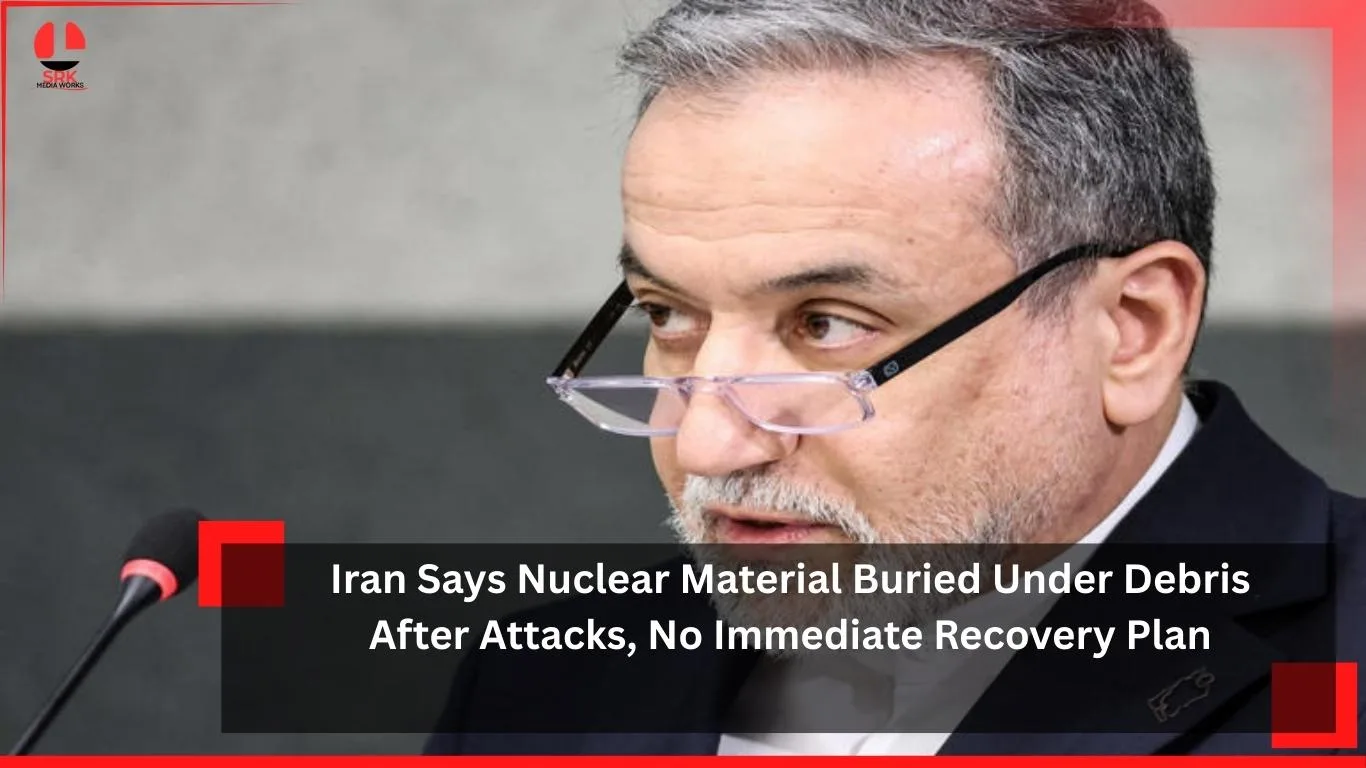
Iran has announced that nuclear material at one of its facilities has been buried under debris following recent attacks, with officials admitting that there is no immediate recovery plan in place. The revelation has sparked global concern about safety, environmental risks, and the broader implications for regional stability in West Asia.
Background of the Attacks
The attacks, reportedly targeting critical infrastructure, have left several Iranian facilities damaged. Among the most affected are sites linked to nuclear research and energy production.
- Nature of Attacks: Precision strikes caused structural collapses at sensitive facilities.
- Immediate Impact: Nuclear material became inaccessible, trapped beneath rubble.
- Global Alarm: Concerns about contamination and security risks have intensified.
Iran’s Statement
Iranian officials confirmed that nuclear material remains buried under debris and that recovery efforts are not currently feasible.
Key points from the statement:
- Safety Concerns: Excavation could pose risks of radiation exposure.
- Technical Challenges: Specialized equipment is required, which may not be immediately available.
- Diplomatic Messaging: Iran emphasized that the situation is under control, despite global concerns.
International Reactions
The announcement has triggered strong responses worldwide:
| Stakeholder Group | Reaction Type | Key Observations |
|---|---|---|
| United States | Concerned | Called for transparency and monitoring |
| European Union | Alarmed | Urged Iran to cooperate with inspectors |
| Middle Eastern States | Cautious | Worried about regional fallout |
| Global Watchdogs | Critical | Demanded clarity on safety measures |
This table shows how different stakeholders are responding to Iran’s revelation.
Safety and Environmental Risks
The burial of nuclear material under debris raises several risks:
- Radiation Exposure: Potential leaks could endanger workers and nearby populations.
- Environmental Contamination: Soil and water sources may be affected.
- Security Concerns: Buried material could be vulnerable to theft or misuse if not secured.
Historical Parallels
Similar incidents have occurred globally, highlighting the dangers of damaged nuclear facilities:
| Year | Incident | Outcome |
|---|---|---|
| 1986 | Chernobyl disaster | Long-term contamination, global alarm |
| 2011 | Fukushima nuclear accident | Radiation leaks, massive cleanup efforts |
| 2026 | Iran nuclear material buried | No immediate recovery plan, global concern |
This comparison underscores the seriousness of Iran’s situation.
Iran’s Diplomatic Position
Iran has sought to reassure the international community:
- Controlled Situation: Officials claim there is no immediate threat of radiation leaks.
- No Recovery Plan Yet: Admitted that technical and logistical challenges prevent immediate action.
- Appeal for Patience: Urged global powers not to politicize the issue.
Global Security Implications
The incident has broader geopolitical consequences:
- Regional Stability: Heightened tensions in West Asia could escalate further.
- Energy Markets: Oil prices may fluctuate due to fears of instability.
- Diplomatic Pressure: Calls for Iran to allow international inspectors access to affected sites.
Public Sentiment
Public opinion in Iran reflects anxiety and frustration:
- Citizens: Concerned about safety and transparency.
- Activists: Demanding clarity and accountability from the government.
- Global Audiences: Watching closely, fearing potential fallout beyond Iran’s borders.
Future Outlook
The situation remains fluid, with several possible scenarios:
| Scenario | Description | Potential Impact |
|---|---|---|
| Immediate Recovery | Iran secures equipment and begins excavation | Reduced risk, restored confidence |
| Delayed Action | No recovery plan for months | Increased anxiety, diplomatic pressure |
| Escalation | Further attacks or leaks occur | Regional instability, global alarm |
The future will depend on Iran’s ability to manage both technical challenges and diplomatic expectations.
Conclusion
Iran’s admission that nuclear material is buried under debris with no immediate recovery plan has raised alarms globally. While officials insist the situation is under control, the risks of radiation exposure, environmental contamination, and geopolitical instability remain significant. The coming weeks will be crucial in determining whether Iran can safely address the crisis and reassure the international community.
Disclaimer
This article is based on analytical perspectives and available information. It does not confirm or deny confidential nuclear details and should not be interpreted as official government policy. Readers are encouraged to follow verified international watchdog statements for authoritative updates.