




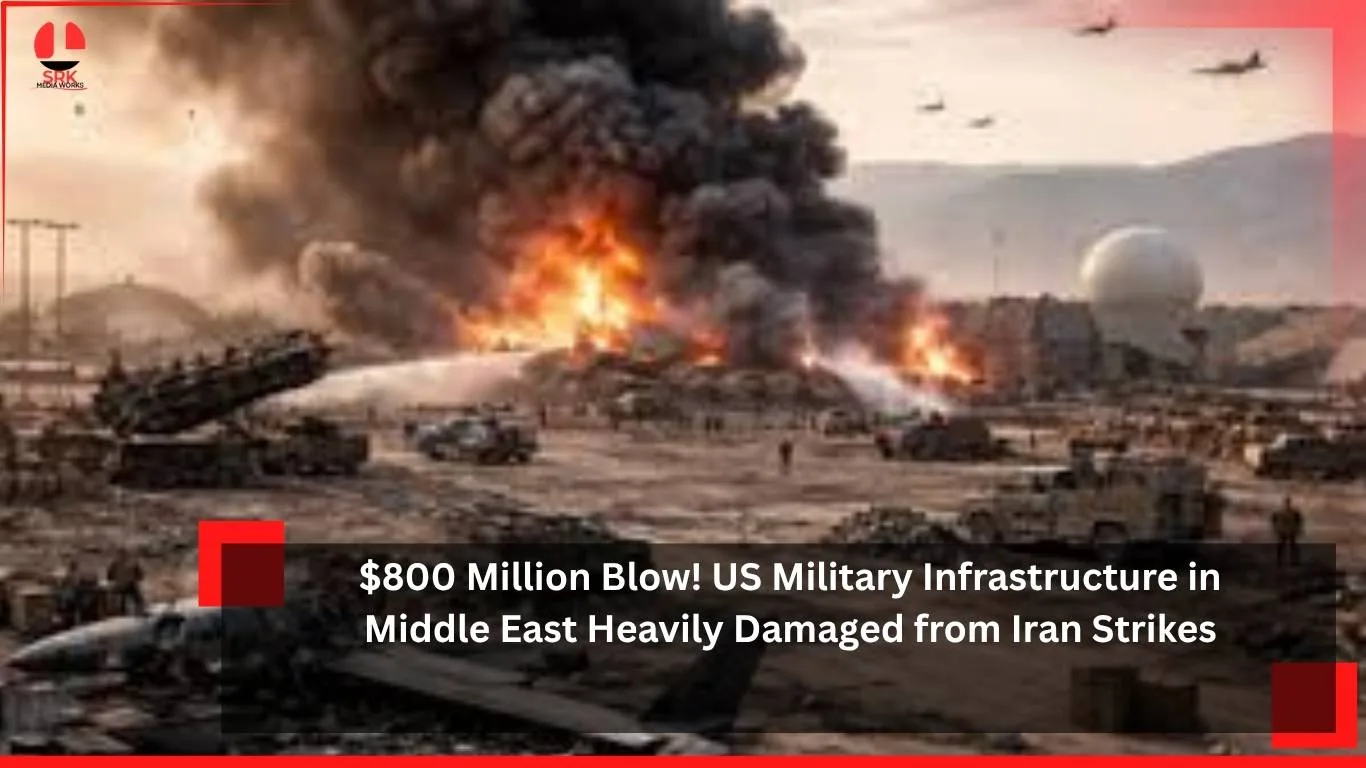
The geopolitical landscape in the Middle East has shifted dramatically after a series of Iranian missile strikes inflicted heavy damage on U.S. military infrastructure, with losses estimated at nearly $800 million. This escalation underscores the vulnerability of American assets in the region and raises urgent questions about the future of U.S. military strategy, regional stability, and global energy security.
The Scale of the Damage
Reports indicate that multiple U.S. bases and logistical hubs were targeted, resulting in:
- Destruction of key facilities including command centers and supply depots.
- Damage to advanced defense systems such as radar installations and missile interceptors.
- Loss of military equipment including aircraft, armored vehicles, and communication systems.
- Operational disruption across several bases, reducing immediate combat readiness.
The financial toll is estimated at $800 million, but the strategic impact could be far greater.
Why This Strike Matters
- Military Vulnerability: Demonstrates Iran’s capability to strike U.S. assets with precision.
- Regional Instability: Heightens tensions across the Middle East, with ripple effects on neighboring nations.
- Global Security: Raises concerns about escalation into broader conflict.
- Energy Markets: Threatens oil routes and global supply chains.
Comparative Analysis of U.S. Military Losses
| Incident Year | Estimated Damage | Strategic Impact | Regional Consequence |
|---|---|---|---|
| 2019 Drone Strike | $200 million | Limited | Temporary disruption |
| 2022 Base Attack | $450 million | Moderate | Increased tensions |
| 2026 Iran Strikes | $800 million | Severe | Escalation risk |
This comparison shows that the latest strikes represent the most significant financial and strategic blow in recent years.
Pivot Analysis: Areas of Concern
| Area of Concern | Short-Term Impact | Long-Term Consequence |
|---|---|---|
| Military Readiness | Reduced operational capacity | Need for reinforcements |
| Diplomatic Relations | Heightened U.S.-Iran tensions | Possible sanctions escalation |
| Regional Security | Increased risk of conflict | Arms race in Middle East |
| Economic Stability | Rising oil prices | Global inflation pressures |
U.S. Response Options
The United States now faces critical decisions:
- Military Retaliation: Launching counter-strikes against Iranian targets.
- Diplomatic Pressure: Rallying allies to impose stricter sanctions.
- Strategic Repositioning: Relocating assets to safer zones.
- Defense Upgrades: Investing in advanced missile defense systems.
Iran’s Message
Iran has framed the strikes as retaliation against U.S. presence in the region, portraying them as a demonstration of sovereignty and deterrence. The precision and scale of the attacks suggest significant advancements in Iran’s missile technology.
Global Implications
- For Europe: Vulnerability of energy supply chains through Middle Eastern routes.
- For Asia: Rising oil prices could impact economies heavily reliant on imports.
- For Global Trade: Shipping companies face higher insurance premiums and operational risks.
Possible Scenarios
- Escalation: U.S. retaliation leads to broader conflict.
- Containment: Diplomatic efforts prevent further strikes.
- Strategic Shift: U.S. reduces military footprint in the Middle East.
Conclusion
The revelation that U.S. military infrastructure in the Middle East has suffered $800 million in damages from Iranian strikes marks a turning point in regional geopolitics. Beyond the financial losses, the strikes highlight vulnerabilities in American defense systems and raise the specter of escalating conflict.
As Washington weighs its response, the world watches closely, aware that the outcome could reshape not only Middle Eastern security but also global economic stability.
Disclaimer: This article is based on reported geopolitical developments and strategic analysis. It does not represent classified intelligence or official government positions. The content is intended for informational purposes only and should not be interpreted as definitive military or economic forecasts.