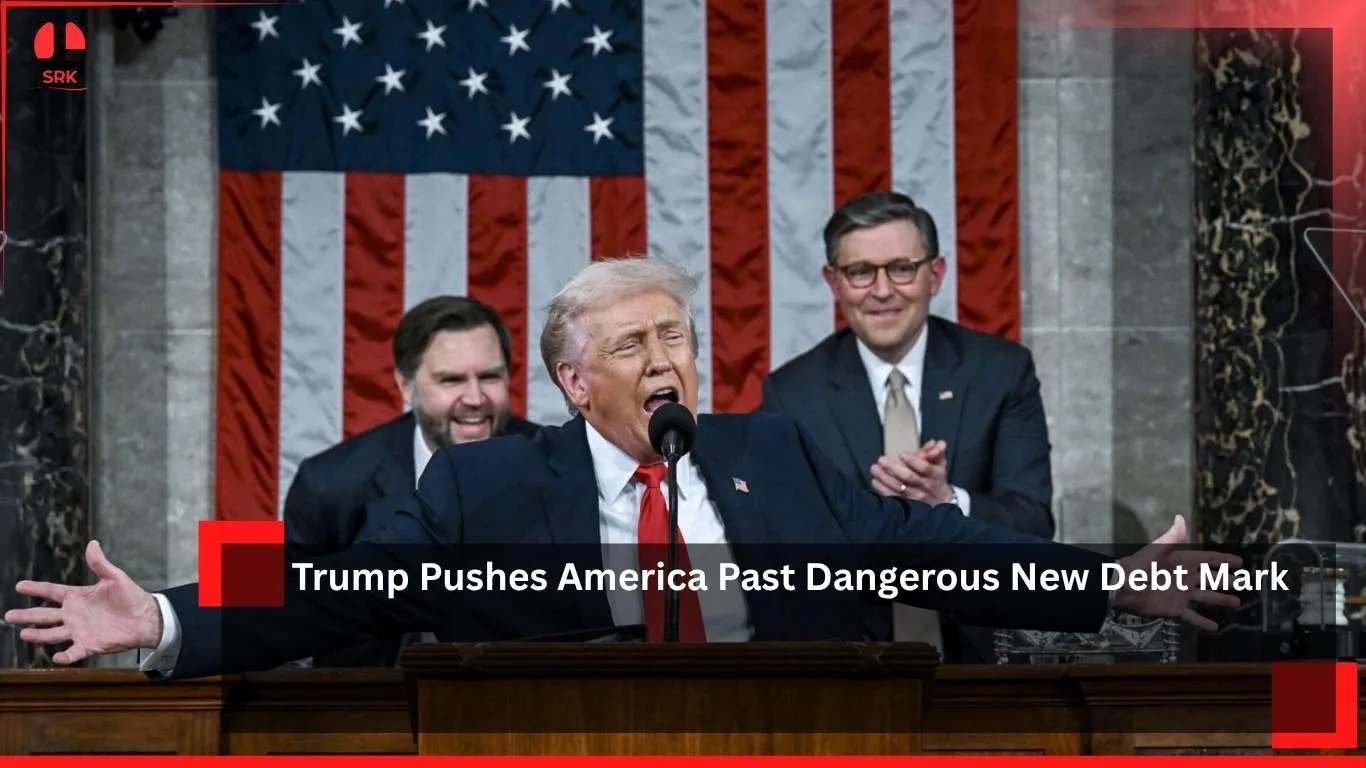

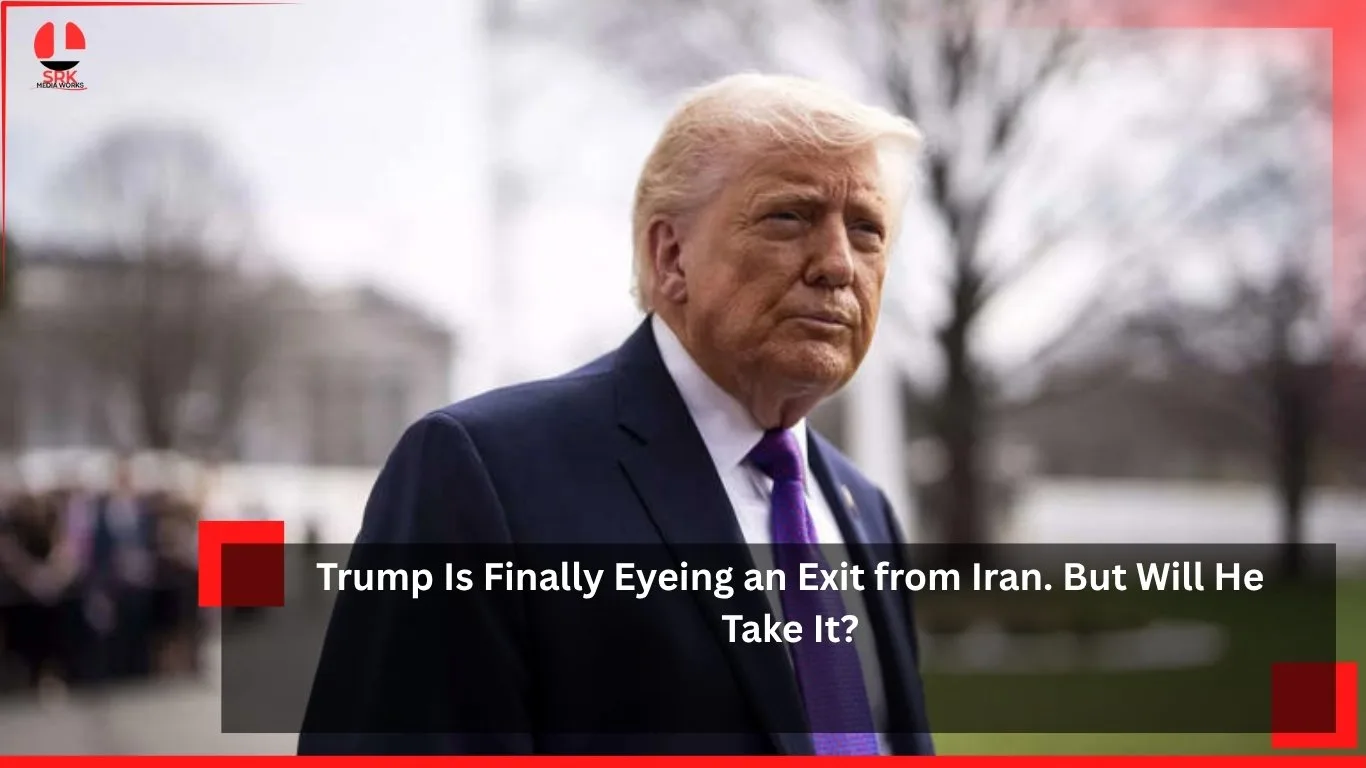
The United States’ long and complex entanglement with Iran may be approaching a turning point. Recent reports suggest that President Donald Trump is considering a strategic exit from Iran, signaling a possible shift in U.S. foreign policy. However, questions remain about whether Trump will follow through, given the geopolitical stakes, domestic political pressures, and the volatile nature of Middle Eastern conflicts.
The Current Situation
For years, U.S.-Iran relations have been defined by sanctions, military confrontations, and diplomatic standoffs. Trump’s administration has pursued a hardline approach, including:
- Maximum Pressure Campaign: Economic sanctions targeting Iran’s oil exports and financial systems.
- Military Escalations: Strikes on Iranian assets and fortifications in the Middle East.
- Diplomatic Isolation: Efforts to limit Iran’s influence in global forums.
Now, with rising costs and mounting global criticism, Trump is reportedly weighing an exit strategy that could reduce U.S. military presence and shift focus toward diplomacy.
Why an Exit Matters
- Economic Costs: Sustaining military operations in the Middle East drains billions of dollars annually.
- Global Stability: A U.S. withdrawal could reshape alliances and power balances.
- Domestic Politics: Trump’s decision will influence his political standing at home.
- Energy Security: The Strait of Hormuz remains a critical chokepoint for global oil supplies.
Comparative Analysis of U.S. Strategies in Iran
| Strategy | Past Approach | Current Status | Potential Outcome |
|---|---|---|---|
| Military Pressure | Heavy strikes, sanctions | Ongoing but costly | Risk of escalation |
| Diplomatic Isolation | Limited talks | Minimal progress | Continued stalemate |
| Economic Sanctions | Maximum pressure | Severe impact on Iran | Humanitarian concerns |
| Exit Strategy | Rarely considered | Now under review | Possible de-escalation |
This comparison shows that while military and economic pressure have dominated, an exit strategy could mark a significant shift.
Pivot Analysis: Risks and Opportunities
| Factor | Short-Term Impact | Long-Term Consequence |
|---|---|---|
| Military Withdrawal | Reduced U.S. casualties | Loss of regional influence |
| Diplomatic Engagement | Potential easing of tensions | Sustainable stability |
| Energy Security | Short-term volatility | Diversified supply chains |
| Domestic Politics | Political debate | Legacy-defining decision |
Challenges Facing Trump
- Iran’s Response: Tehran may interpret a U.S. exit as weakness, emboldening its regional ambitions.
- Allied Concerns: Gulf nations and Israel rely heavily on U.S. military presence for security.
- Global Perception: A withdrawal could be seen as retreat, affecting America’s credibility.
- Domestic Politics: Critics may argue that Trump is abandoning strategic commitments.
Lessons from Past Exits
The U.S. has faced similar dilemmas in Iraq and Afghanistan. In both cases, withdrawal led to power vacuums, insurgencies, and prolonged instability. Analysts warn that an exit from Iran without a clear plan could repeat these mistakes.
Possible Scenarios
- Full Exit: U.S. withdraws military assets, focusing on diplomacy.
- Partial Withdrawal: Reduction of forces but continued presence in strategic zones.
- Status Quo: Trump delays exit, maintaining current operations.
- Escalation: Renewed confrontation forces abandonment of exit plans.
Conclusion
The possibility that Trump is finally eyeing an exit from Iran marks a pivotal moment in U.S. foreign policy. Whether he takes it depends on balancing military realities, diplomatic opportunities, and political pressures.
If Trump proceeds, the decision could reshape not only U.S.-Iran relations but also the broader geopolitical order in the Middle East. If he hesitates, the cycle of confrontation may continue, with global consequences for energy, security, and diplomacy.
Disclaimer: This article is based on reported geopolitical developments and strategic analysis. It does not represent classified intelligence or official government positions. The content is intended for informational purposes only and should not be interpreted as definitive military or diplomatic guidance.