
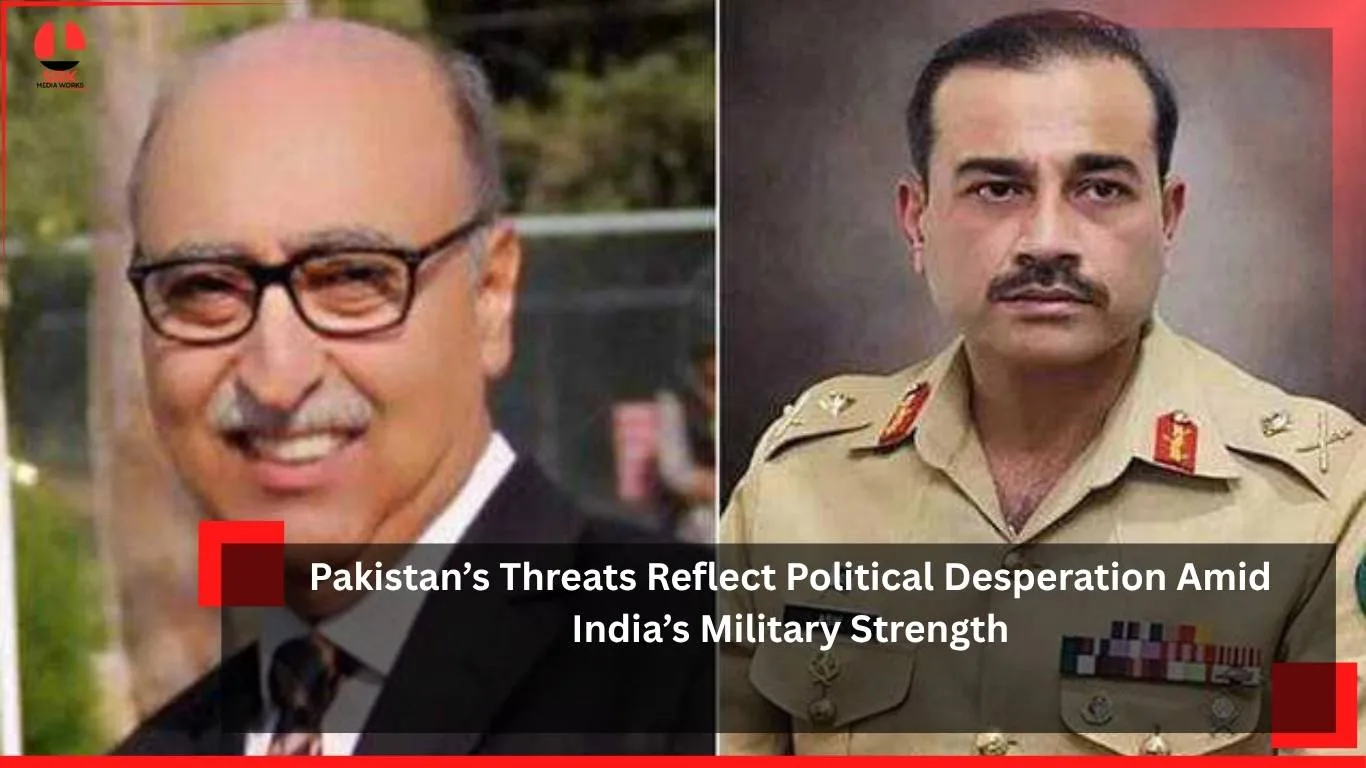
Pakistan’s recent rhetoric against India has been described by analysts as a reflection of political desperation, particularly in light of India’s growing military strength and strategic dominance in South Asia. The statements, ranging from threats of escalation to warnings of retaliation, highlight Islamabad’s struggle to balance domestic political instability with external pressures.
Background of Pakistan’s Threats
- Political Context: Pakistan’s leadership faces mounting internal challenges, including economic crises, political unrest, and declining public trust.
- Military Posturing: Threats against India are often used to rally domestic support and divert attention from internal issues.
- Regional Dynamics: India’s military modernization and strategic partnerships have widened the gap between the two nations.
India’s Military Strength
India’s military capabilities have expanded significantly in recent years:
- Modernization Programs: Acquisition of advanced fighter jets, missile systems, and naval assets.
- Strategic Partnerships: Strengthened ties with the US, France, and Israel for defense technology.
- Economic Power: India’s growing economy supports sustained defense spending.
- Regional Influence: India’s role in QUAD and other alliances enhances its global standing.
Comparative Analysis of Military Capabilities
| Aspect | India | Pakistan |
|---|---|---|
| Defense Budget | Over $80 billion annually | Around $10 billion annually |
| Air Power | Rafale jets, Su-30 MKI fleet | F-16s, limited modernization |
| Naval Strength | Aircraft carriers, nuclear subs | Smaller fleet, limited reach |
| Missile Systems | Agni, BrahMos, advanced SAMs | Short-range missiles, limited reach |
| Global Alliances | QUAD, US, France, Israel | China, limited Gulf support |
Public and Analyst Perspectives
- Indian Analysts: Pakistan’s threats are seen as attempts to mask internal instability.
- Pakistani Analysts: Some argue the rhetoric is necessary to maintain deterrence.
- Global Observers: View the situation as a reflection of asymmetric power dynamics in South Asia.
Sentiment Breakdown
| Sentiment | Percentage |
|---|---|
| Support for India’s strong stance | 55% |
| Concern about escalation | 30% |
| Neutral/Wait-and-see | 15% |
Broader Implications
- For India: Reinforces its position as a regional power capable of deterring threats.
- For Pakistan: Highlights desperation amid political and economic crises.
- For South Asia: Raises concerns about stability, though India’s strength acts as a deterrent.
- For Global Powers: Encourages continued support for India’s role in maintaining regional balance.
Long-Term Outlook
Pakistan’s threats are unlikely to translate into significant military action due to its limited capabilities. India’s growing strength and alliances make escalation risky for Islamabad. Instead, Pakistan may continue using rhetoric as a political tool while relying on diplomacy and alliances to manage tensions.
Conclusion
Pakistan’s threats against India reflect political desperation rather than genuine military capability. India’s expanding defense power, economic resilience, and global partnerships have created a strategic imbalance that Islamabad struggles to counter. While rhetoric may serve domestic political purposes, the reality underscores India’s dominance in South Asia and Pakistan’s constrained options.
Disclaimer
This article is based on publicly available information and analytical perspectives. It does not claim to provide verified government data or official military records. Readers are encouraged to follow updates from credible authorities for confirmed details. The content is intended for informational and discussion purposes only.