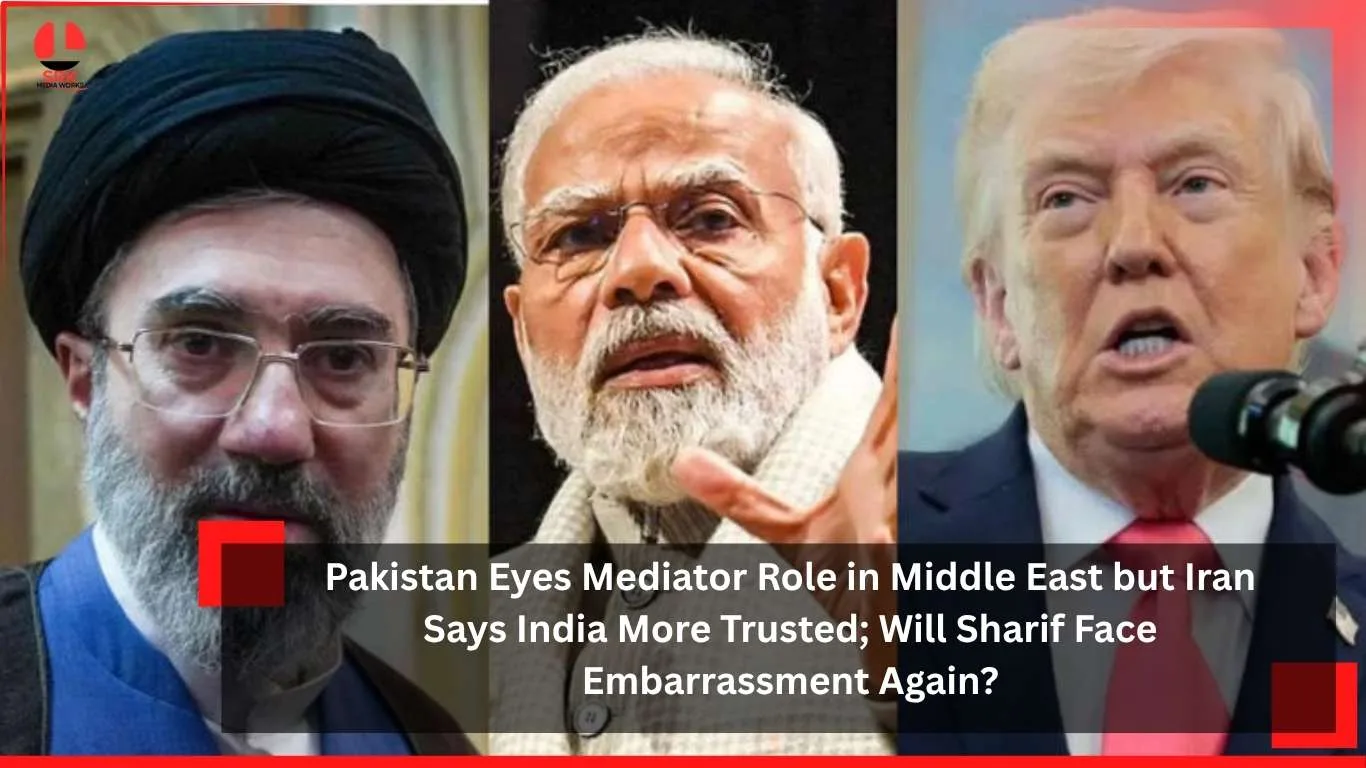
Pakistan’s Prime Minister Shehbaz Sharif has signaled Islamabad’s ambition to play mediator in the Middle East, aiming to position Pakistan as a bridge between rival powers. However, Iran’s recent statement that India is a “more trusted partner” has cast doubt on Pakistan’s credibility, raising questions about whether Sharif will face another diplomatic embarrassment on the global stage.
Context of Pakistan’s Mediation Bid
Pakistan has historically sought to play a balancing role in Middle Eastern politics, leveraging its ties with Saudi Arabia, Iran, and other Gulf states. With tensions escalating between Iran and U.S.-backed allies, Islamabad sees an opportunity to present itself as a neutral mediator.
Yet, Iran’s preference for India as a trusted partner complicates Pakistan’s ambitions. Tehran’s growing economic and strategic ties with New Delhi, particularly through the Chabahar port project, have strengthened India’s standing in the region.
Why Iran Prefers India Over Pakistan
- Economic Cooperation: India’s investment in Chabahar port and trade corridors has deepened trust.
- Diplomatic Stability: India’s foreign policy is perceived as more consistent compared to Pakistan’s shifting alliances.
- Regional Connectivity: India’s role in linking Iran to Central Asia enhances Tehran’s economic prospects.
- Security Concerns: Pakistan’s close ties with Saudi Arabia often put it at odds with Iran’s interests.
Comparative Analysis of Mediator Roles
| Country | Strengths as Mediator | Weaknesses | Current Standing |
|---|---|---|---|
| Pakistan | Religious affinity, ties with Gulf | Seen as biased toward Saudi Arabia | Questioned |
| India | Economic projects, balanced diplomacy | Limited military presence | Trusted |
| Turkey | Regional influence, NATO ties | Domestic instability | Mixed |
| Qatar | Neutral diplomacy, hosting talks | Small state, limited leverage | Effective in niche roles |
This comparison shows why Iran views India as more reliable, while Pakistan struggles to overcome perceptions of bias.
Pivot in Regional Diplomacy
Iran’s statement represents a pivot in Middle Eastern diplomacy:
- From Religious Affinity to Economic Trust: Iran prioritizes economic partnerships over shared religious identity.
- From Pakistan to India: The shift underscores India’s rising influence in West Asia.
- From Mediation to Strategic Alignment: Iran seeks partners who can deliver tangible benefits, not just symbolic gestures.
Sentiment Analysis
| Group | Sentiment Toward Pakistan’s Mediation | Likely Response |
|---|---|---|
| Iran | Skeptical, favors India | Reject mediation |
| Saudi Arabia | Supportive of Pakistan | Encourage role |
| India | Confident, trusted | Expand influence |
| Global Observers | Cautious | Monitor rivalry |
Broader Implications
- Diplomatic Embarrassment: Sharif risks being sidelined if Iran continues to favor India.
- Regional Rivalry: Pakistan and India may compete for influence in Middle Eastern diplomacy.
- Economic Stakes: Iran’s preference for India could limit Pakistan’s access to trade opportunities.
- Global Perception: Pakistan’s credibility as a mediator may weaken further.
Lessons from Past Attempts
- Pakistan’s Mediation in Yemen (2015): Islamabad’s attempt to balance ties with Saudi Arabia and Iran failed, exposing its limitations.
- India’s Role in Afghanistan: India’s consistent investments and diplomatic presence earned trust, contrasting with Pakistan’s fluctuating policies.
- Qatar’s Mediation in Taliban Talks: Demonstrated how smaller states can succeed with neutrality and persistence.
Conclusion
Pakistan’s ambition to mediate in the Middle East faces a major setback as Iran openly favors India as a more trusted partner. For Prime Minister Shehbaz Sharif, this raises the risk of another diplomatic embarrassment, highlighting the need for Islamabad to reassess its foreign policy approach. The contest between Pakistan and India for influence in West Asia underscores the shifting dynamics of regional diplomacy, where economic trust and consistency outweigh symbolic gestures.
Disclaimer
This article is intended for informational purposes only and does not represent official government policy or diplomatic conclusions. The content is based on general observations of international relations and public statements. Readers should note that diplomatic negotiations and claims are subject to interpretation and verification.