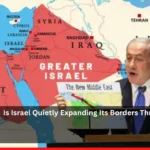
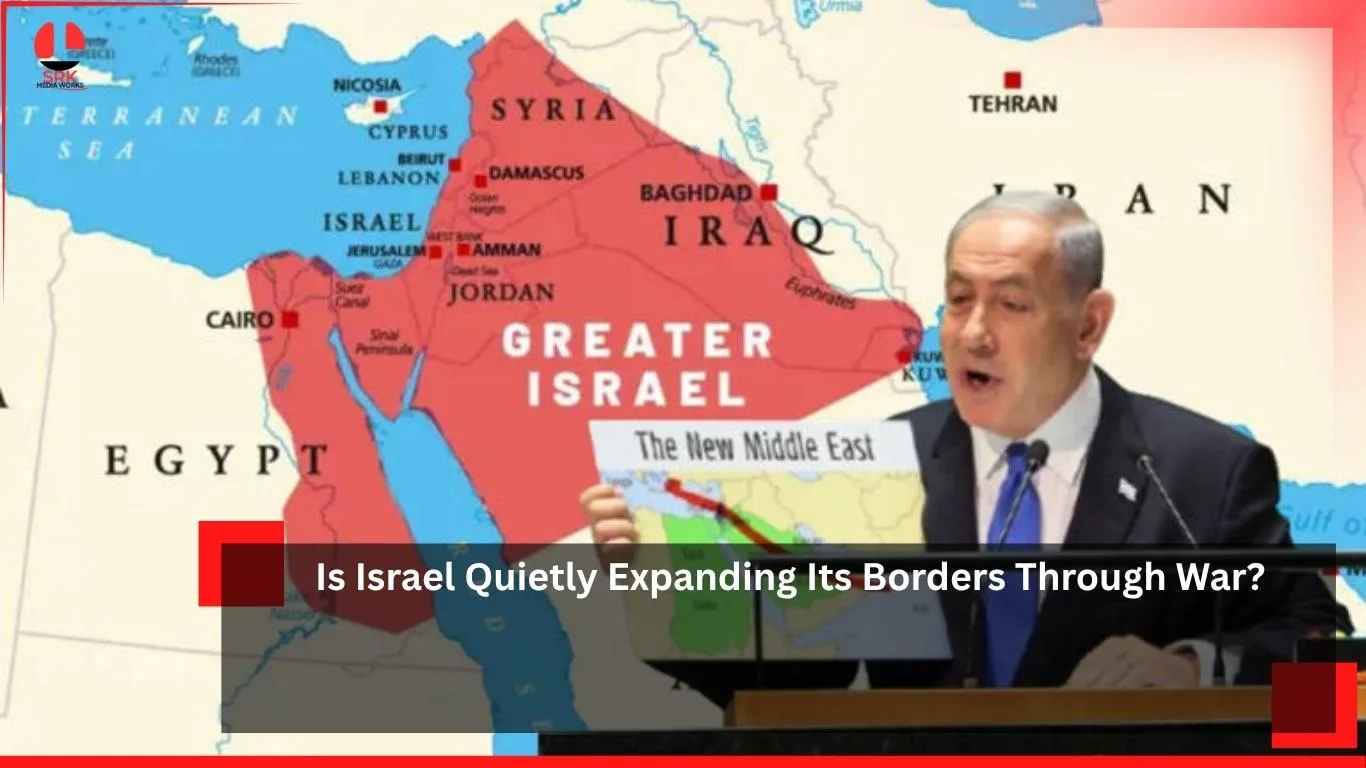
The question of whether Israel is quietly expanding its borders through war has resurfaced amid ongoing conflicts in Gaza, southern Lebanon, and the West Bank. Analysts argue that Israel’s military actions, combined with settlement expansion and proposals for buffer zones, suggest a broader strategy that goes beyond immediate security concerns. While Israel maintains that its operations are defensive, critics believe the long-term effect is territorial consolidation.
Historical Context
Israel’s territorial disputes have been central to Middle Eastern politics since its founding in 1948. Key moments include:
- 1967 Six-Day War: Israel captured the West Bank, Gaza, Sinai Peninsula, and Golan Heights.
- 1973 Yom Kippur War: Reinforced Israel’s military dominance but deepened regional hostility.
- Oslo Accords (1990s): Promised Palestinian autonomy but failed to resolve settlement issues.
- Recent Conflicts: Military operations in Gaza and Lebanon have reignited debates about border expansion.
Current Developments
- Buffer Zone in Lebanon: Reports suggest Israel may seek control up to the Litani River, citing security needs.
- West Bank Settlements: Expansion continues despite international criticism, altering demographics and territorial claims.
- Gaza Operations: Military incursions are framed as anti-terror measures but raise questions about long-term control.
- Golan Heights: Israel’s annexation remains contested internationally, yet firmly enforced domestically.
Comparative Analysis of Territorial Expansion
| Region | Israel’s Action | International Response | Current Status |
|---|---|---|---|
| West Bank | Settlement growth | Condemnation, UN resolutions | Ongoing expansion |
| Gaza | Military incursions | Humanitarian concern | No permanent annexation |
| Golan Heights | Annexation (1981) | Not recognized globally | Israeli control |
| Southern Lebanon | Buffer zone proposal | Regional alarm | Under debate |
This table highlights how Israel’s actions vary by region, with some areas under direct annexation and others under contested military presence.
Pivot in Strategy
Israel’s approach reflects a pivot from temporary military operations to long-term territorial consolidation:
- From Defense to Expansion: Security operations often result in territorial control.
- From Negotiation to Force: Diplomatic talks have stalled, leaving military action as the dominant tool.
- From Regional Balance to Dominance: Israel seeks to secure borders by extending influence beyond them.
Sentiment Analysis
| Group | Sentiment Toward Expansion | Likely Response |
|---|---|---|
| Israeli Government | Defensive, justified | Continue operations |
| Palestinian Authority | Outraged, resistant | Push for recognition |
| Lebanon | Alarmed, hostile | Strengthen defenses |
| Global Observers | Concerned, critical | Call for restraint |
Broader Implications
- Regional Instability: Expansion risks igniting wider conflicts with Lebanon, Syria, and Palestinian factions.
- Global Diplomacy: Israel’s actions strain relations with the UN and European allies.
- Humanitarian Crisis: Civilian populations face displacement and insecurity.
- Geopolitical Balance: Expansion challenges U.S. and Arab allies to reassess their positions.
Lessons from Past Conflicts
- Iraq and Afghanistan: Showed that military superiority does not guarantee stability.
- Lebanon (2006): Demonstrated the resilience of asymmetric warfare against conventional forces.
- Palestinian Intifadas: Highlighted the limits of territorial control without political resolution.
Conclusion
The debate over whether Israel is quietly expanding its borders through war remains unresolved. While Israel frames its actions as defensive, the cumulative effect of settlement growth, buffer zone proposals, and annexations suggests a strategy of territorial consolidation. The implications are profound, raising questions about regional stability, humanitarian impact, and the future of Middle Eastern diplomacy.
Disclaimer
This article is intended for informational purposes only and does not represent official government policy or military analysis. The content is based on general geopolitical observations and public statements. Readers should note that claims about territorial expansion are subject to interpretation and ongoing debate.