




As tensions rise between the United States and Iran over the Strait of Hormuz, China is quietly reshaping global energy routes to reduce dependence on traditional oil chokepoints. While Washington and Tehran spar over control of one of the world’s most critical maritime passages, Beijing is investing heavily in alternative corridors, pipelines, and strategic reserves that could fundamentally alter the balance of power in global energy security.
The Strait of Hormuz: A Flashpoint
The Strait of Hormuz, located between Oman and Iran, is the world’s most important oil chokepoint. Roughly 20% of global petroleum passes through this narrow waterway. Any disruption—whether from military conflict, sanctions, or blockades—has immediate consequences for global markets.
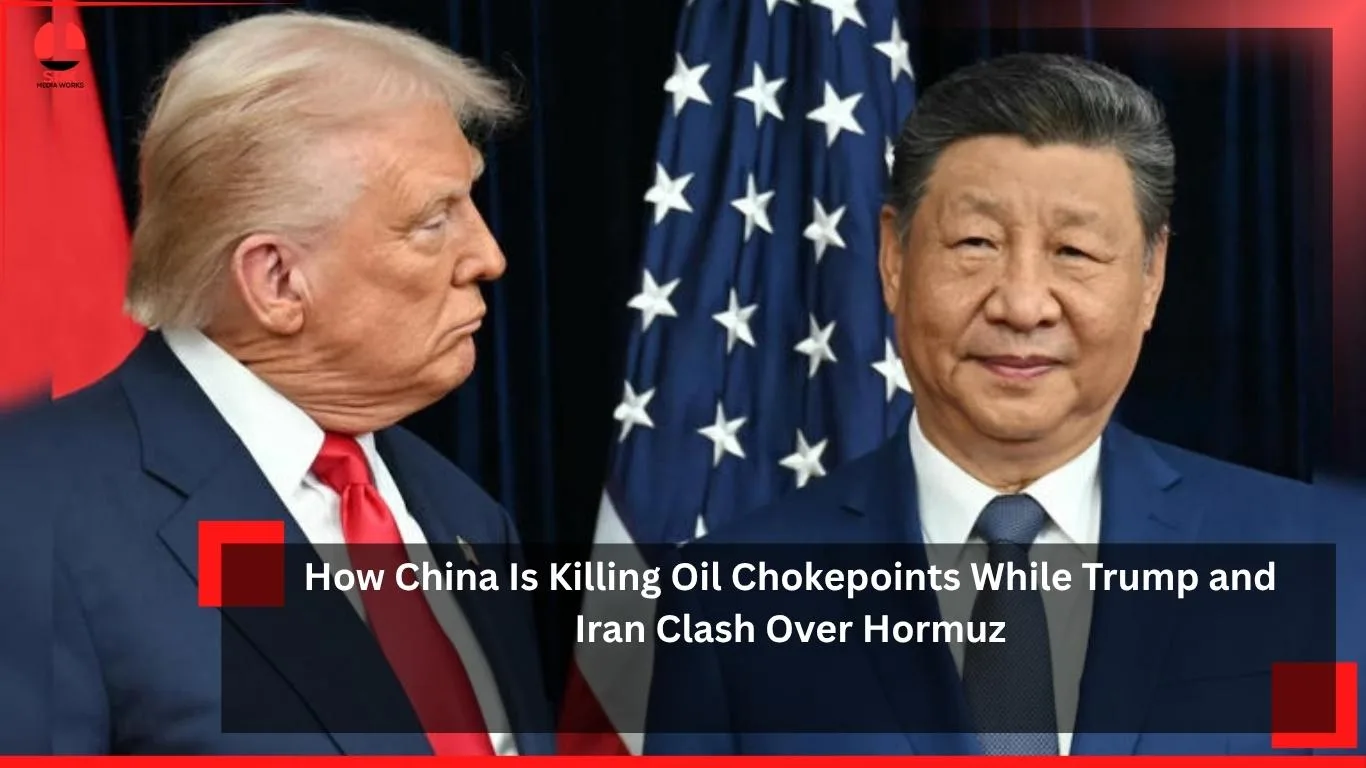
Trump’s administration has repeatedly warned Iran against using Hormuz as leverage, while Tehran has threatened to block the strait in response to U.S. pressure. This ongoing clash underscores the vulnerability of global energy supply chains.
China’s Strategy to Neutralize Chokepoints
China, the world’s largest oil importer, recognizes the risks of over-reliance on Hormuz and other chokepoints like the Malacca Strait. Its strategy includes:
- Diversification of Supply Routes: Building pipelines across Myanmar and Pakistan to bypass maritime chokepoints.
- Strategic Reserves: Expanding oil storage facilities to cushion against disruptions.
- Energy Partnerships: Strengthening ties with Russia, Central Asia, and African producers.
- Maritime Silk Road: Investing in ports and logistics hubs to secure alternative shipping routes.
- Renewable Energy Push: Reducing dependence on imported oil by accelerating solar, wind, and nuclear projects.
Comparative Analysis of Oil Chokepoints
| Chokepoint | Location | Share of Global Oil Trade | Vulnerability |
|---|---|---|---|
| Strait of Hormuz | Iran/Oman | ~20% | High (conflict risk) |
| Malacca Strait | Malaysia/Indonesia | ~15% | High (piracy, congestion) |
| Suez Canal | Egypt | ~9% | Moderate (political instability) |
| Bab el-Mandeb | Yemen/Djibouti | ~6% | High (terrorism, war) |
This table shows why China is determined to reduce reliance on Hormuz and Malacca, the two most vulnerable chokepoints.
Pivot in Global Energy Security
China’s actions represent a pivot in global energy security:
- From Dependence to Diversification: Reducing reliance on single chokepoints.
- From Maritime to Land Routes: Pipelines across Eurasia bypass risky waters.
- From Vulnerability to Resilience: Strategic reserves and renewable energy reduce exposure.
Sentiment Analysis
| Group | Sentiment Toward China’s Strategy | Likely Response |
|---|---|---|
| Chinese Government | Confident, proactive | Expand projects |
| U.S. Administration | Concerned, defensive | Reinforce naval presence |
| Iran | Alarmed, sidelined | Threaten Hormuz closure |
| Global Markets | Cautiously optimistic | Adjust supply chains |
Broader Implications
- Reduced Leverage for Iran: If China bypasses Hormuz, Iran’s threats lose impact.
- Shift in U.S. Strategy: Washington may need to rethink its naval dominance.
- Global Market Stability: Diversification could stabilize oil prices during crises.
- Geopolitical Realignment: China’s partnerships with Russia and Central Asia reshape alliances.
Lessons from Past Energy Crises
- 1973 Oil Embargo: Showed how political decisions can disrupt global supply.
- 1990 Gulf War: Highlighted vulnerability of Hormuz during regional conflict.
- 2019 Tanker Attacks: Demonstrated how small-scale incidents can spike oil prices.
China’s strategy is designed to prevent such crises from crippling its economy.
Conclusion
While Trump and Iran clash over Hormuz, China is quietly killing the dominance of oil chokepoints by building alternative routes and reserves. This long-term strategy could reduce global dependence on vulnerable maritime passages, reshaping the future of energy security. The world may soon find that the real power shift in oil politics is not in the strait itself, but in Beijing’s ability to bypass it.
Disclaimer
This article is intended for informational purposes only and does not represent official government policy or military analysis. The content is based on general geopolitical observations and public statements. Readers should note that claims about energy strategies are subject to interpretation and ongoing debate.