
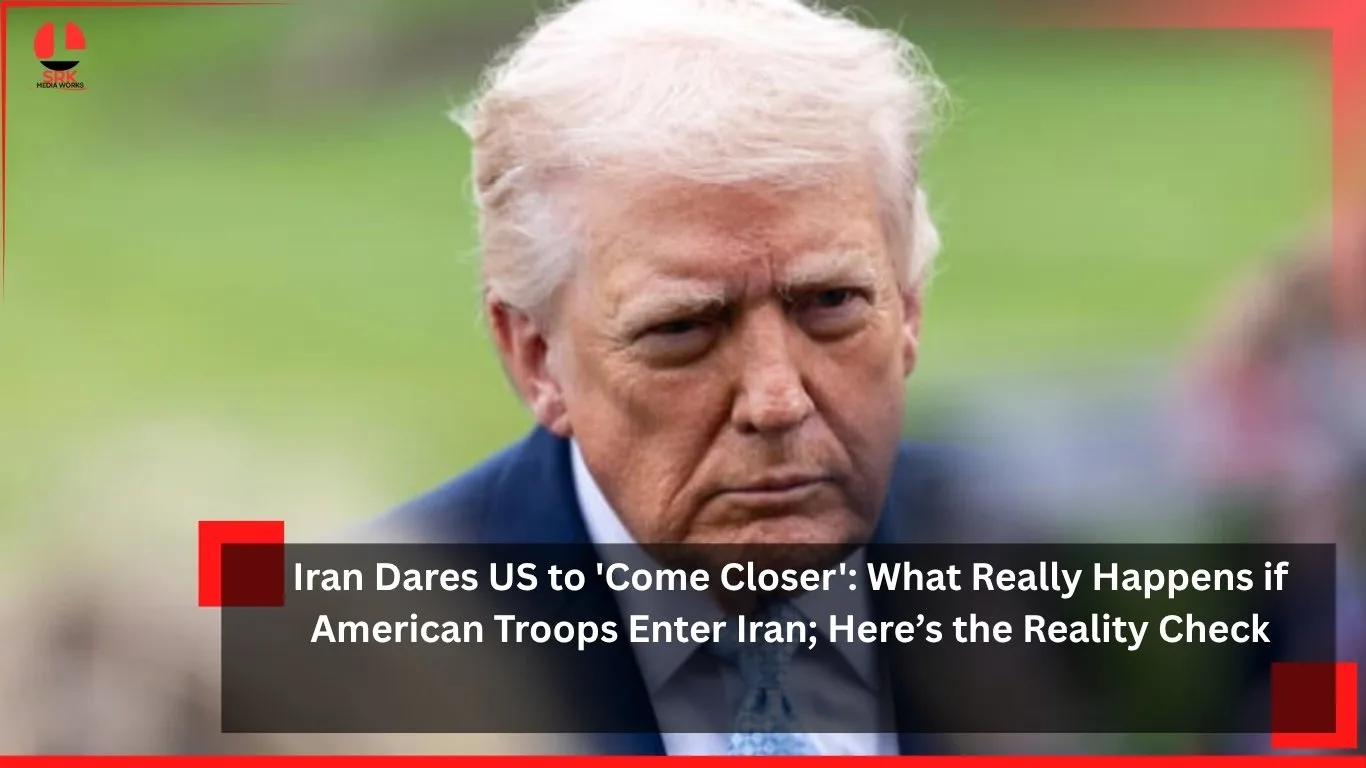
Iran’s latest warning to the United States—daring American troops to “come closer”—has reignited fears of a potential ground war in the Middle East. While rhetoric between Washington and Tehran has often been heated, the prospect of U.S. soldiers entering Iranian territory raises profound questions about military feasibility, regional stability, and global consequences.
The Context of Iran’s Challenge
Iran’s defiant statement comes amid escalating tensions over sanctions, nuclear ambitions, and regional proxy conflicts. Tehran’s leadership insists that any U.S. ground invasion would be met with fierce resistance, leveraging Iran’s geography, asymmetric warfare tactics, and nationalist sentiment.
For Washington, the challenge is not just military but political: a ground invasion would require enormous resources, risk high casualties, and potentially destabilize the entire region.
What Happens if US Troops Enter Iran
- Terrain Advantage for Iran: Iran’s mountainous landscape and urban centers favor defensive and guerrilla tactics.
- Asymmetric Warfare: Iran’s reliance on militias, improvised explosive devices (IEDs), and ambushes would make U.S. operations costly.
- Civilian Mobilization: Foreign troop presence could fuel nationalist resistance, strengthening Iran’s resolve.
- Regional Escalation: Proxy groups in Iraq, Syria, and Lebanon could open new fronts against U.S. forces.
- Global Fallout: Oil markets would react sharply, with prices spiking due to instability in the Strait of Hormuz.
Comparative Analysis of Military Engagements
| Conflict | US Strategy | Local Response | Outcome |
|---|---|---|---|
| Iraq War (2003) | Shock and Awe, regime change | Insurgency, sectarian conflict | Prolonged instability |
| Afghanistan War | Counter-terrorism, nation-building | Guerrilla resistance | Withdrawal after 20 years |
| Iran (Hypothetical) | Ground invasion, regime pressure | Asymmetric warfare, regional escalation | High casualties, uncertain outcome |
This comparison shows why analysts warn that Iran could be the most difficult battleground yet for U.S. forces.
Pivot in Military Thinking
Iran’s dare reflects a pivot in military strategy:
- From Conventional to Asymmetric: Iran knows it cannot match U.S. firepower but can exploit vulnerabilities.
- From Local to Regional: Any invasion would trigger proxy conflicts across the Middle East.
- From Defense to Deterrence: Iran’s rhetoric aims to deter U.S. action by highlighting potential costs.
Sentiment Analysis
| Group | Sentiment Toward US Troops Entering Iran | Likely Response |
|---|---|---|
| Iranian Government | Defiant, resistant | Mobilize defenses |
| Iranian Civilians | Nationalist, hostile | Support resistance |
| US Military | Cautious, wary | Warn of high costs |
| Global Observers | Alarmed, critical | Call for restraint |
Broader Implications
- Regional Instability: A ground war in Iran could ignite conflicts across the Middle East.
- Global Energy Crisis: Disruption in Hormuz would spike oil prices worldwide.
- Diplomatic Fallout: Allies may distance themselves from U.S. actions.
- Humanitarian Disaster: Civilian populations would face displacement and insecurity.
Lessons from Past Conflicts
- Iraq War: Demonstrated the limits of military superiority in hostile environments.
- Afghanistan War: Showed how guerrilla tactics can outlast conventional forces.
- Lebanon Conflict (2006): Highlighted the resilience of asymmetric groups like Hezbollah.
These lessons suggest that a U.S. ground invasion of Iran would be fraught with risks and unlikely to achieve quick success.
Conclusion
Iran’s dare to the U.S.—“come closer”—is more than rhetoric. It reflects Tehran’s confidence in its ability to resist a ground invasion through asymmetric warfare, terrain advantage, and regional proxies. For Washington, the reality check is clear: entering Iran would mean confronting not just one nation but an entire network of resistance, with consequences that could reverberate across the globe.
Disclaimer
This article is intended for informational purposes only and does not represent official government policy or military analysis. The content is based on general geopolitical observations and public statements. Readers should note that claims about military strategies and outcomes are subject to interpretation and ongoing debate.