


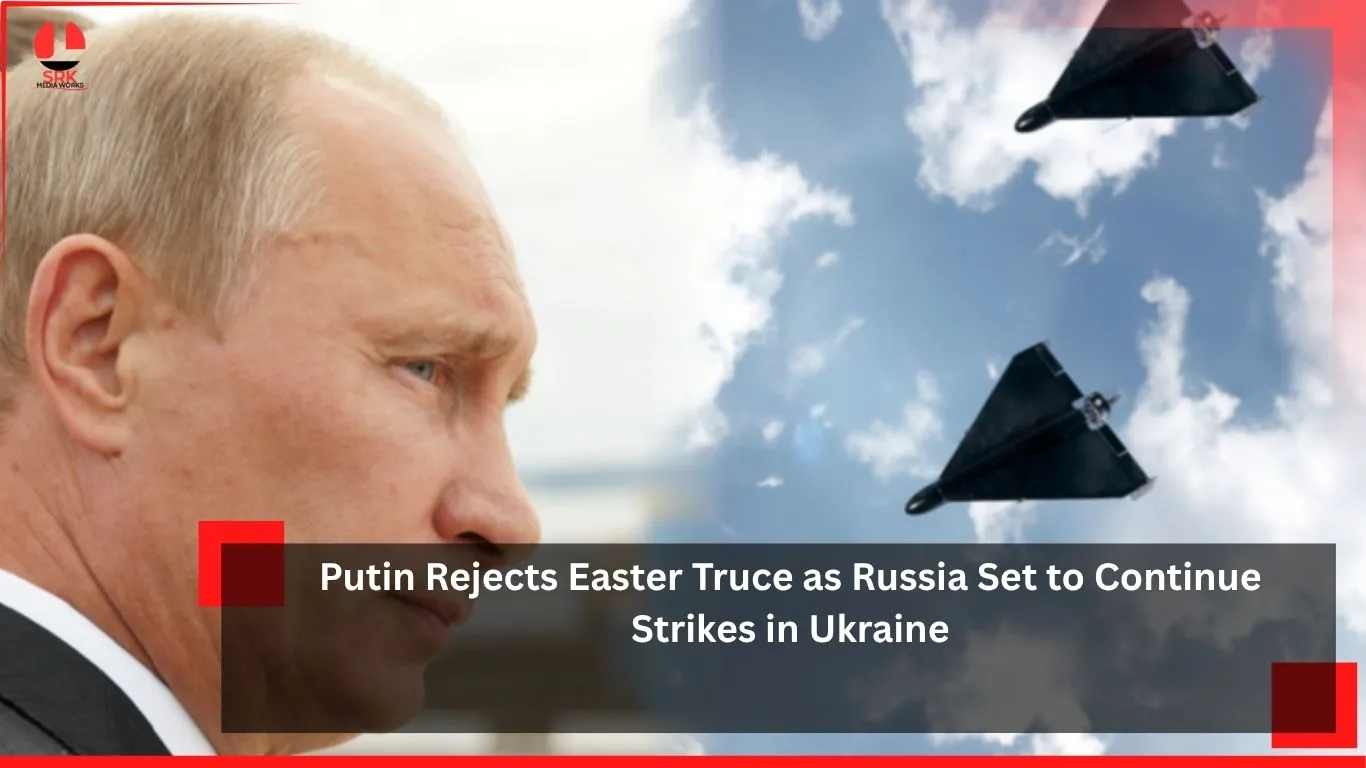
Russian President Vladimir Putin has rejected calls for an Easter truce in Ukraine, signaling that Moscow will continue its military strikes despite appeals from international leaders and humanitarian organizations. The decision has intensified concerns about escalating violence during a period traditionally associated with peace and reflection.
Background of the Easter Truce Proposal
The proposal for an Easter truce was put forward by European leaders and humanitarian agencies, urging both Russia and Ukraine to pause hostilities during the Christian holiday. The aim was to allow civilians safe passage, facilitate humanitarian aid, and provide a symbolic gesture of goodwill.
- Ukraine’s Position: Kyiv supported the idea, emphasizing the need to protect civilians.
- International Support: The United Nations and several European nations backed the truce.
- Russia’s Response: Putin dismissed the proposal, calling it “politically motivated.”
Putin’s Statement
Putin argued that a truce would only benefit Ukraine militarily, allowing its forces to regroup. He insisted that Russia’s operations would continue until “objectives are achieved.”
- Quote: “We will not allow symbolic pauses that strengthen our enemies.”
- Focus: Maintaining military momentum.
- Message: Reinforcing Russia’s determination to pursue its campaign.
Comparative Analysis: Past Truce Attempts in Conflicts
| Conflict | Proposed Truce Period | Outcome |
|---|---|---|
| Syrian Civil War | Ramadan ceasefires | Often violated, limited success |
| Iraq War | Religious holidays | Sporadic pauses, quickly broken |
| Ukraine War | Easter truce (2026) | Rejected by Russia, fighting continues |
This comparison highlights how religious or symbolic ceasefires often fail in modern conflicts due to strategic concerns.
Impact on Ukraine
- Civilian Suffering: Continued strikes during Easter risk worsening humanitarian crises.
- Infrastructure Damage: Key cities face relentless bombardment.
- Psychological Toll: Rejection of a symbolic truce deepens despair among civilians.
- Military Pressure: Ukraine must maintain defensive operations without respite.
Global Reactions
- European Union: Condemned Russia’s rejection, calling it “inhumane.”
- United States: Urged Moscow to reconsider, stressing humanitarian obligations.
- Religious Leaders: The Vatican expressed disappointment, urging peace during Easter.
- Markets: Global energy prices rose slightly amid fears of prolonged instability.
Broader Implications
- Diplomatic Fallout: Russia’s refusal isolates it further from international consensus.
- Humanitarian Crisis: Aid agencies face challenges in delivering supplies.
- Military Escalation: Signals Russia’s intent to intensify operations.
- Symbolic Loss: Easter truce rejection underscores the erosion of traditional humanitarian norms in warfare.
Conclusion
Putin’s rejection of the Easter truce marks a significant moment in the Ukraine conflict, highlighting the deep divide between humanitarian appeals and military objectives. As strikes continue, the global community faces mounting pressure to find alternative pathways to peace, even as symbolic gestures of reconciliation are cast aside.
Disclaimer
This article is based on publicly available political statements, military analysis, and global media coverage. It is intended for informational purposes only and does not constitute political endorsement, financial advice, or professional guidance. Readers should verify details independently and follow official sources for updates on the Ukraine conflict.