

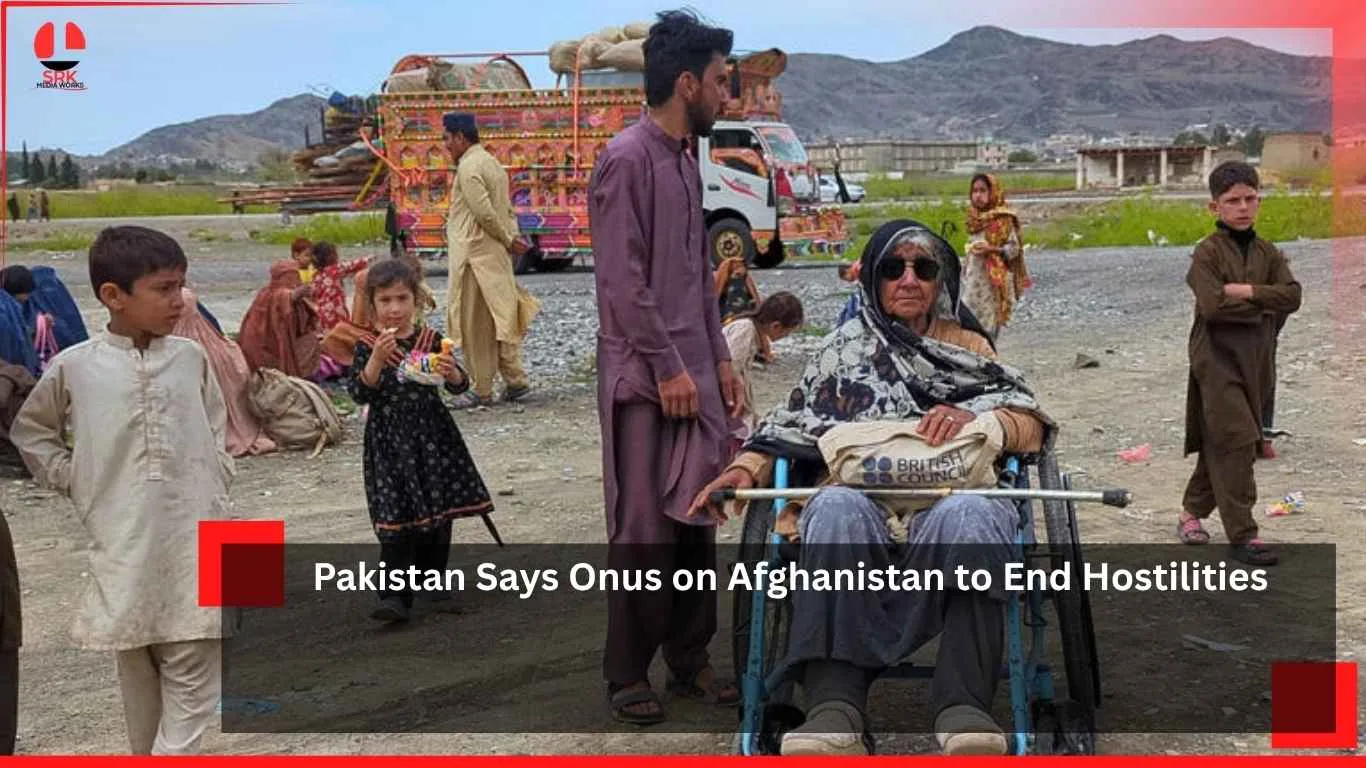
In a significant diplomatic statement, Pakistan has declared that the responsibility to end hostilities lies squarely with Afghanistan. This announcement comes amid rising tensions along the Pakistan-Afghanistan border, where security concerns, cross-border militancy, and political instability have created a volatile environment. The statement underscores Pakistan’s position that peace in the region cannot be achieved without Afghanistan taking concrete steps to curb militant activities and ensure stability within its borders.
Background of the Tensions
The Pakistan-Afghanistan relationship has historically been complex, shaped by shared borders, ethnic ties, and geopolitical interests. However, recurring issues such as cross-border terrorism, refugee movements, and trade disputes have often strained bilateral ties. In recent months, Pakistan has faced increased militant attacks allegedly originating from Afghan soil, prompting Islamabad to demand stronger action from Kabul.
Pakistan’s Official Position
- Responsibility on Afghanistan: Pakistan insists that Afghanistan must take decisive measures to dismantle militant networks operating within its territory.
- Border Security: Islamabad has reinforced its border security infrastructure, including fencing and surveillance, to prevent infiltration.
- Diplomatic Channels: Pakistan has engaged in talks with Afghan authorities, urging cooperation in intelligence sharing and joint counter-terrorism efforts.
Afghanistan’s Response
Afghanistan, meanwhile, has expressed concerns about Pakistan’s border policies, claiming they restrict movement and trade. Kabul argues that peace requires mutual cooperation rather than unilateral demands. Afghan officials emphasize that internal challenges, including political instability and economic hardship, limit their ability to fully address Pakistan’s concerns.
Regional Impact
The ongoing tensions between Pakistan and Afghanistan have implications for the broader South Asian region:
- Security Concerns: Rising hostilities threaten regional stability, particularly in border provinces.
- Economic Disruption: Trade routes between the two countries face disruptions, impacting businesses and livelihoods.
- Diplomatic Strain: The situation complicates efforts by neighboring countries and international organizations to foster peace.
Comparative Analysis of Hostilities
| Year | Reported Cross-Border Incidents | Pakistan’s Response | Afghanistan’s Position |
|---|---|---|---|
| 2024 | 120 | Increased border patrols | Called for dialogue |
| 2025 | 150 | Expanded fencing projects | Criticized restrictions |
| 2026 | 200 (till March) | Stronger diplomatic statements | Requested economic aid |
This comparative view highlights the escalating nature of hostilities and the evolving responses from both nations.
Sector-Wise Impact of Tensions
| Sector | Impact Level | Key Issues |
|---|---|---|
| Trade & Commerce | High | Border closures, restricted movement |
| Security | Very High | Militant infiltration, attacks |
| Refugee Management | Medium | Displacement, humanitarian concerns |
| Diplomacy | High | Strained bilateral relations |
| Regional Stability | Very High | Spillover effects on neighbors |
Pakistan’s Strategic Measures
- Border Fencing: Over 90% of the Pakistan-Afghanistan border has been fenced to control infiltration.
- Military Operations: Pakistan has conducted targeted operations against militant hideouts.
- Diplomatic Engagements: Islamabad continues to push for regional cooperation through forums like SAARC and the Shanghai Cooperation Organization.
- Economic Leverage: Trade restrictions have been used as a tool to pressure Afghanistan into compliance.
Afghanistan’s Challenges
Afghanistan faces multiple internal challenges that hinder its ability to respond effectively:
- Political Instability: Frequent changes in leadership weaken governance.
- Economic Crisis: Limited resources restrict counter-terrorism efforts.
- Humanitarian Issues: Refugee crises and poverty exacerbate instability.
- International Isolation: Reduced foreign aid impacts Afghanistan’s ability to manage security.
Future Outlook
Experts believe that unless Afghanistan takes stronger measures to curb militancy, tensions will continue to rise. Pakistan’s insistence on placing the onus on Afghanistan reflects its frustration with repeated cross-border incidents. However, sustainable peace will require cooperation, trust-building, and international mediation.
Analytical Pivot
| Year | Pakistan’s Security Investment (USD Billion) | Afghanistan’s Counter-Terror Efforts | Regional Stability Index |
|---|---|---|---|
| 2024 | 3.5 | Limited | 65/100 |
| 2025 | 4.2 | Moderate | 60/100 |
| 2026 | 5.0 (till March) | Weak | 55/100 |
This analysis shows Pakistan’s increasing investment in security while Afghanistan struggles to match efforts, leading to declining regional stability.
Conclusion
Pakistan’s statement that the onus lies on Afghanistan to end hostilities marks a critical juncture in bilateral relations. While Islamabad continues to strengthen its security measures, the path to peace requires Kabul to take decisive action against militancy. The future of South Asian stability hinges on whether both nations can move beyond blame and embrace cooperation.
Disclaimer
This article is intended for informational purposes only. The content reflects current developments and analysis based on publicly available information. Readers should not interpret this as official policy guidance or diplomatic advice. While accuracy has been prioritized, future developments may alter the situation. Independent verification is recommended before drawing conclusions.