


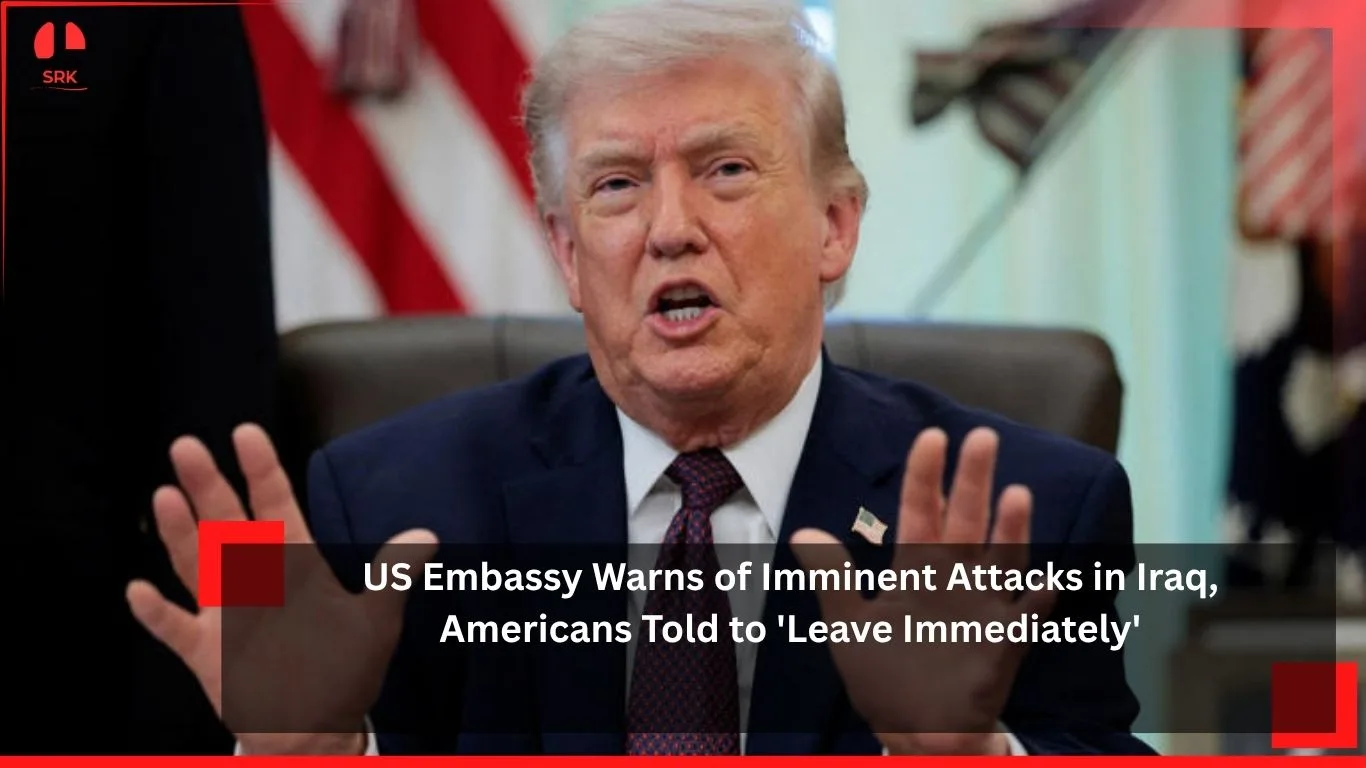
The United States Embassy in Iraq has issued a stark warning to American citizens, urging them to leave the country immediately due to credible threats of imminent attacks. This advisory has raised alarm across diplomatic, security, and business communities, highlighting the fragile security situation in Iraq and the potential for escalating violence. The warning underscores the seriousness of the threat and the urgency for U.S. nationals to prioritize their safety.
Background of the Advisory
The U.S. Embassy in Baghdad has frequently issued security alerts in the past, but the latest warning is particularly severe. It comes amid rising tensions between armed groups and government forces, as well as ongoing instability in several provinces. Intelligence reports suggest that foreign nationals, especially Americans, could be targeted in coordinated attacks.
Key Points of the Embassy Warning
- Immediate Departure: Americans are advised to leave Iraq without delay.
- Avoid Travel: Citizens are urged to avoid traveling to high-risk areas, particularly Baghdad and northern provinces.
- Security Measures: The embassy has heightened its own security protocols, including restricted movement of staff.
- Emergency Assistance: U.S. citizens in Iraq are encouraged to register with the embassy and seek assistance for safe evacuation.
Current Security Situation in Iraq
- Militant Activity: Armed groups have increased their presence in several regions.
- Political Instability: Ongoing disputes between political factions have weakened governance.
- Civilian Impact: Civilians face rising risks due to sporadic violence and economic hardship.
Comparative Analysis of Security Alerts
| Year | Number of US Embassy Alerts | Severity Level | Advisory Action |
|---|---|---|---|
| 2024 | 12 | Moderate | Exercise caution |
| 2025 | 15 | High | Avoid non-essential travel |
| 2026 | 8 (till March) | Very High | Leave immediately |
This comparative view shows how the severity of alerts has escalated, culminating in the current urgent advisory.
Sector-Wise Impact of the Warning
| Sector | Impact Level | Key Issues |
|---|---|---|
| Diplomatic Relations | High | Strained ties, emergency coordination |
| Business & Trade | Medium | Disruption of operations, withdrawal of staff |
| Security | Very High | Increased risk of attacks |
| Civilian Life | High | Fear, displacement, restricted movement |
| Regional Stability | Very High | Potential spillover of violence |
Analytical Pivot
| Year | US Citizens in Iraq | Embassy Advisory | Regional Security Index |
|---|---|---|---|
| 2024 | 5,000 | Exercise caution | 65/100 |
| 2025 | 4,200 | Avoid non-essential travel | 60/100 |
| 2026 | 3,000 (till March) | Leave immediately | 50/100 |
This analysis highlights the declining security environment and the shrinking presence of U.S. citizens in Iraq.
International Reactions
- United States: The government has reiterated its commitment to protecting citizens abroad and is coordinating evacuation efforts.
- Iraqi Authorities: Officials have pledged to enhance security but face challenges due to limited resources.
- Global Community: Other embassies are monitoring the situation closely, with some issuing parallel advisories.
Possible Scenarios
- Escalation of Violence: Attacks could intensify, leading to widespread instability.
- Targeted Incidents: Americans and foreign nationals may be specifically targeted.
- Diplomatic Resolution: International pressure could lead to negotiations and reduced hostilities.
Future Outlook
Security experts warn that Iraq may face prolonged instability if militant groups continue to gain strength. The U.S. advisory reflects the seriousness of the threat and the need for immediate action. The situation could also impact oil markets, regional diplomacy, and humanitarian efforts.
Conclusion
The U.S. Embassy’s warning for Americans to leave Iraq immediately underscores the gravity of the current security threats. With the potential for imminent attacks, the advisory reflects a deteriorating situation that demands urgent attention. The coming weeks will determine whether Iraq can stabilize or whether violence will escalate further, affecting not only U.S. citizens but also the broader international community.
Disclaimer
This article is intended for informational purposes only. The content reflects current security advisories and analysis based on publicly available information. Readers should not interpret this as official policy guidance or personal safety advice. While accuracy has been prioritized, future developments may alter the situation. Independent verification is recommended before drawing conclusions.