
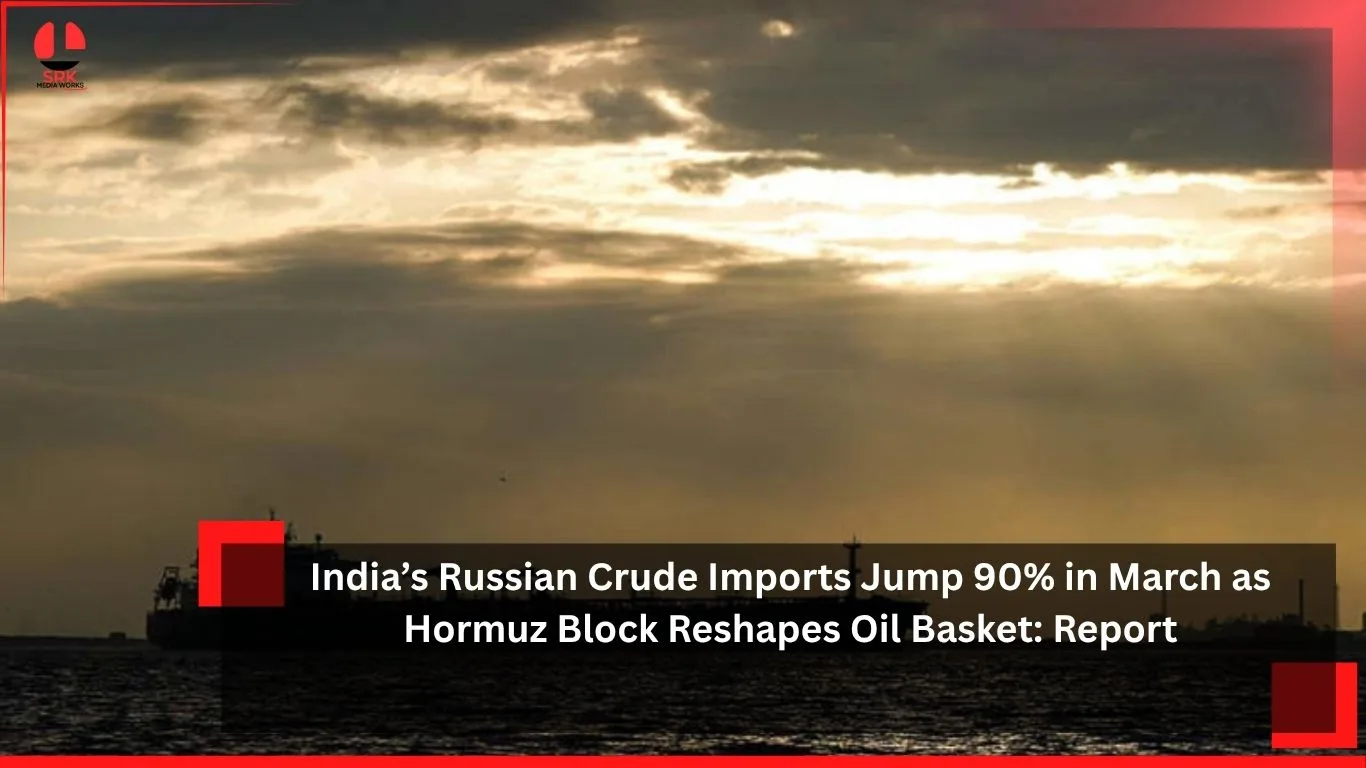
India’s energy landscape witnessed a dramatic shift in March 2026 as Russian crude oil imports surged by 90%, reshaping the country’s oil basket amid disruptions in the Strait of Hormuz. The blockade of this critical maritime chokepoint has forced India to diversify its energy sources, with Russia emerging as a major supplier. This development underscores India’s adaptability in securing energy supplies despite global geopolitical turbulence.
Background of the Shift
The Strait of Hormuz, one of the world’s most vital oil transit routes, has been severely impacted by regional conflict. With shipments from West Asia facing delays and risks, India turned to Russia to fill the gap. The result was a sharp increase in Russian crude imports, ensuring that India’s energy needs remained stable despite global volatility.
Key Highlights
- Russian Crude Imports: Jumped 90% in March compared to February 2026.
- Hormuz Blockade Impact: Reduced shipments from Gulf nations, forcing diversification.
- India’s Oil Basket: Russia now accounts for nearly 40% of India’s crude imports.
- Energy Security: Strategic reserves and diversified sourcing have cushioned India against global shocks.
Comparative Analysis of Crude Imports
| Month (2026) | Russian Crude Imports (Million Barrels) | Growth % | Share in Oil Basket |
|---|---|---|---|
| January | 25 | – | 20% |
| February | 28 | 12% | 25% |
| March | 53 | 90% | 40% |
This table highlights the sharp rise in Russian crude imports, reshaping India’s oil dependency.
Sector-Wise Impact of Import Diversification
| Sector | Impact Level | Key Benefits |
|---|---|---|
| Energy Security | Very High | Stable supply despite Hormuz blockade |
| Industry | High | Continuous production, reduced volatility |
| Transportation | High | Stable fuel prices, uninterrupted logistics |
| Agriculture | Medium | Affordable diesel for irrigation |
| National Economy | Very High | Sustained growth, investor confidence |
Analytical Pivot
| Year | Global Oil Price (USD/barrel) | India’s Russian Import Share | Domestic Impact |
|---|---|---|---|
| 2024 | 75 | 10% | Moderate inflation |
| 2025 | 85 | 20% | Controlled inflation |
| 2026 | 95 (March) | 40% | Stable supply, resilience |
This pivot analysis shows how India’s reliance on Russian crude has grown significantly, cushioning the economy against global price shocks.
Government’s Strategic Response
- Diversification of Sources: India has expanded imports from Russia, Africa, and Latin America.
- Strategic Petroleum Reserves: Utilized to stabilize domestic supply during disruptions.
- Policy Interventions: Adjustments in tariffs and contracts to ensure affordability.
- Energy Diplomacy: Strengthened ties with Russia to secure long-term supply agreements.
Global Reactions
- Russia: Welcomed India’s increased imports, strengthening bilateral energy ties.
- West Asian Nations: Expressed concern over reduced exports to India due to the Hormuz blockade.
- Global Analysts: Viewed India’s move as a pragmatic response to geopolitical risks.
Future Outlook
Experts predict that India will continue to rely heavily on Russian crude until stability returns to the Strait of Hormuz. At the same time, India is accelerating investments in renewable energy and domestic exploration to reduce long-term dependency on imports. The resilience shown in March demonstrates India’s ability to adapt quickly to global energy challenges.
Conclusion
India’s 90% surge in Russian crude imports in March 2026 reflects a decisive response to the Hormuz blockade. By reshaping its oil basket, India has ensured energy security, stabilized domestic markets, and reinforced its position as a resilient global player. The shift underscores the importance of diversification and strategic planning in navigating volatile energy landscapes.
Disclaimer
This article is intended for informational purposes only. The content reflects current energy developments and analysis based on publicly available information. Readers should not interpret this as financial or investment advice. While accuracy has been prioritized, future developments may alter the situation. Independent verification is recommended before drawing conclusions.