


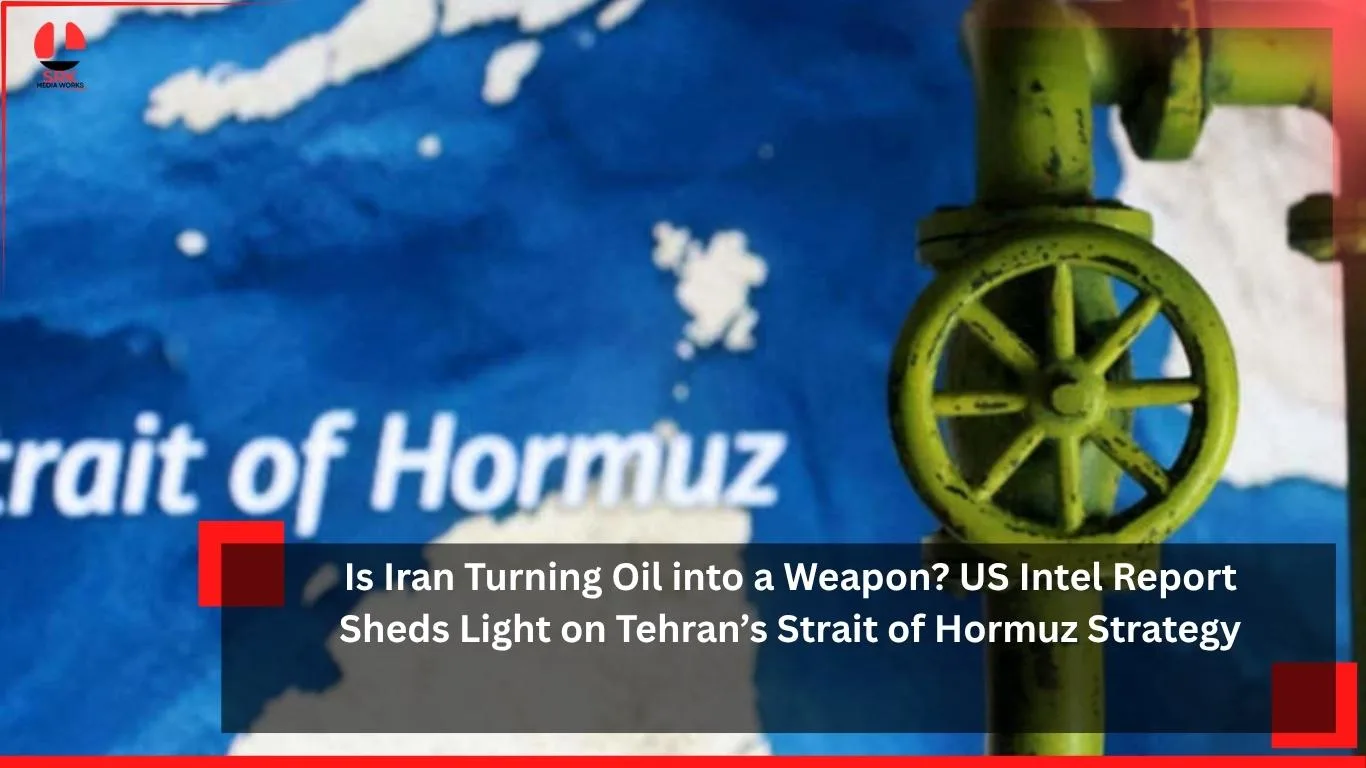
A newly surfaced U.S. intelligence report has raised alarms about Iran’s evolving strategy in the Strait of Hormuz, one of the world’s most critical maritime chokepoints. The report suggests Tehran is increasingly leveraging its oil exports and control over shipping routes as a geopolitical weapon, potentially reshaping global energy markets and heightening tensions with the West.
The Strategic Importance of the Strait of Hormuz
The Strait of Hormuz is a narrow passage connecting the Persian Gulf with the Gulf of Oman and the Arabian Sea. Roughly 20% of the world’s oil supply passes through this corridor, making it a lifeline for global energy security. Any disruption in this region can send shockwaves across international markets, driving up oil prices and destabilizing economies.
Iran’s Calculated Strategy
According to the intelligence assessment, Iran is not merely threatening to block the strait but is actively developing mechanisms to use oil as leverage. This includes:
- Selective Disruption: Targeting specific shipments to pressure rival nations.
- Energy Diplomacy: Offering favorable oil deals to allies while restricting supplies to adversaries.
- Military Posturing: Deploying naval forces to signal readiness for escalation.
- Cyber Operations: Exploring digital sabotage of shipping logistics and energy infrastructure.
Global Energy Market Implications
The potential weaponization of oil by Iran could have far-reaching consequences. Analysts warn of volatility in energy markets, with nations dependent on Gulf oil facing heightened vulnerability.
| Region | Oil Dependency (%) | Risk Level if Strait Disrupted |
|---|---|---|
| Asia-Pacific | 70 | High |
| Europe | 40 | Moderate |
| North America | 15 | Low |
| Middle East | 60 | High |
U.S. Intelligence Findings
The report highlights several key points:
- Iran’s naval buildup includes fast-attack craft and missile systems capable of targeting tankers.
- Tehran has increased coordination with proxy groups to extend influence beyond the Gulf.
- Oil exports are being strategically redirected to nations willing to bypass Western sanctions.
Political Reactions
- Washington: Officials emphasize the need to safeguard freedom of navigation and prevent energy blackmail.
- European Union: Calls for diplomatic engagement to avoid escalation.
- Asian Importers: Express concern over supply chain stability and rising costs.
Public Sentiment and Market Response
Global markets have already shown sensitivity to the report. Oil prices spiked briefly following its release, reflecting investor anxiety. Public opinion varies: some view Iran’s strategy as a defensive measure against sanctions, while others see it as aggressive brinkmanship.
| Stakeholder | Support for Iran’s Strategy | Opposition |
|---|---|---|
| Iranian Public | 65% | 35% |
| Western Analysts | 20% | 80% |
| Asian Importers | 30% | 70% |
| Middle Eastern Allies | 50% | 50% |
Military and Diplomatic Dimensions
The U.S. Navy has increased patrols in the region, while NATO allies discuss joint exercises to ensure maritime security. Diplomatically, backchannel negotiations are underway to reduce tensions, but mistrust remains high.
Long-Term Consequences
If Iran continues to weaponize oil, several outcomes are possible:
- Energy Diversification: Nations may accelerate investment in renewable energy and alternative suppliers.
- Regional Instability: Heightened risk of conflict in the Gulf.
- Economic Shifts: Oil-dependent economies could face recessions if supply disruptions persist.
Conclusion
The intelligence report underscores a critical reality: Iran’s control over the Strait of Hormuz gives it immense leverage in global affairs. By turning oil into a weapon, Tehran is challenging traditional power structures and forcing nations to reconsider their energy strategies. Whether this leads to confrontation or negotiation will depend on the balance between military deterrence and diplomatic engagement.
Disclaimer
This article is intended for informational purposes only. It summarizes geopolitical developments based on intelligence assessments and expert analysis. It does not endorse or oppose any political stance. Readers should consult multiple perspectives and authoritative sources before drawing conclusions about complex international issues.