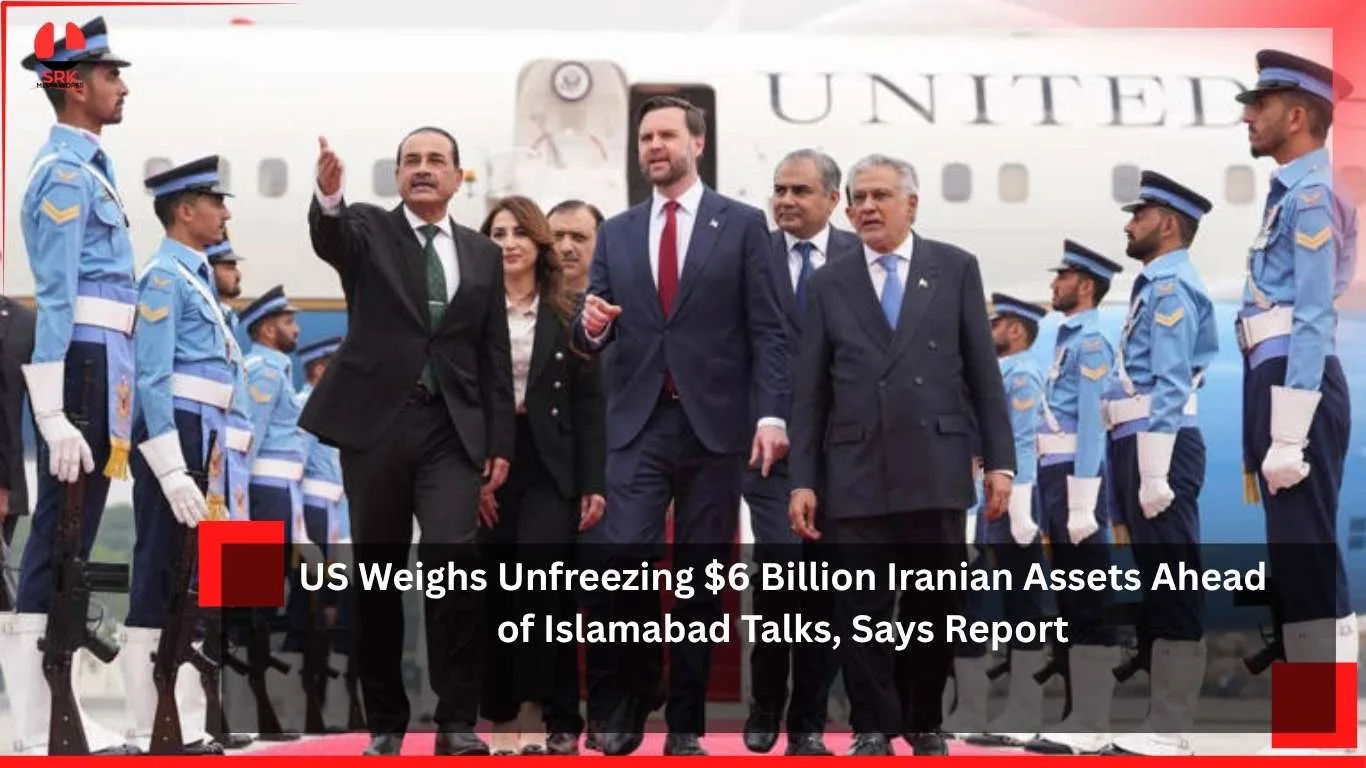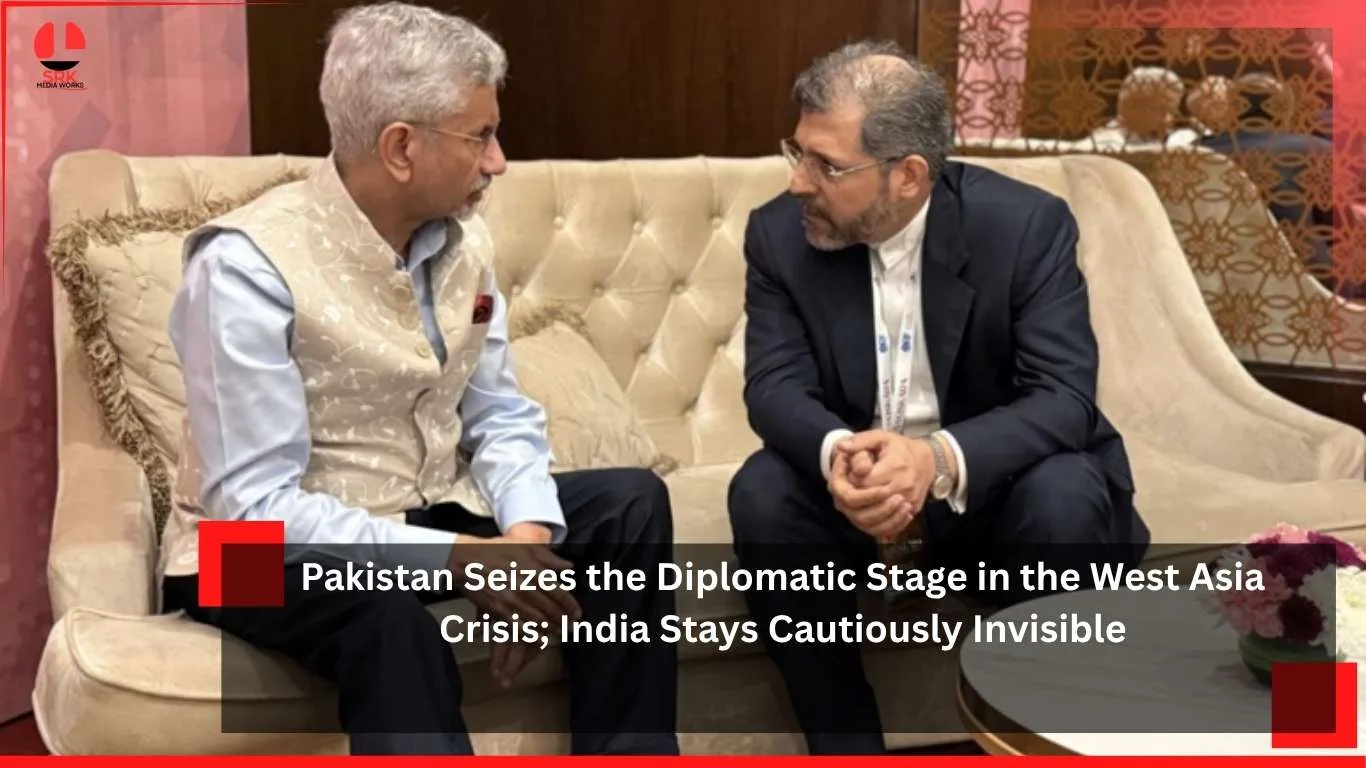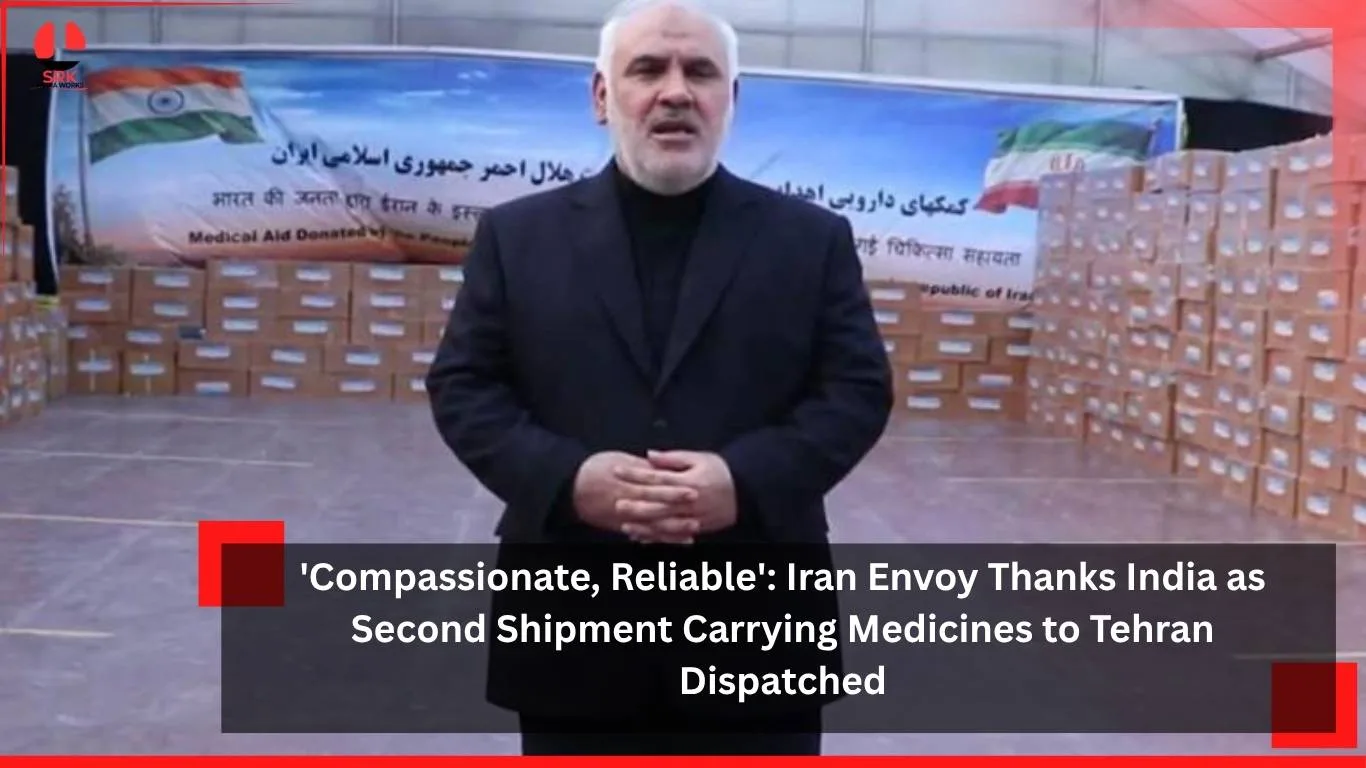



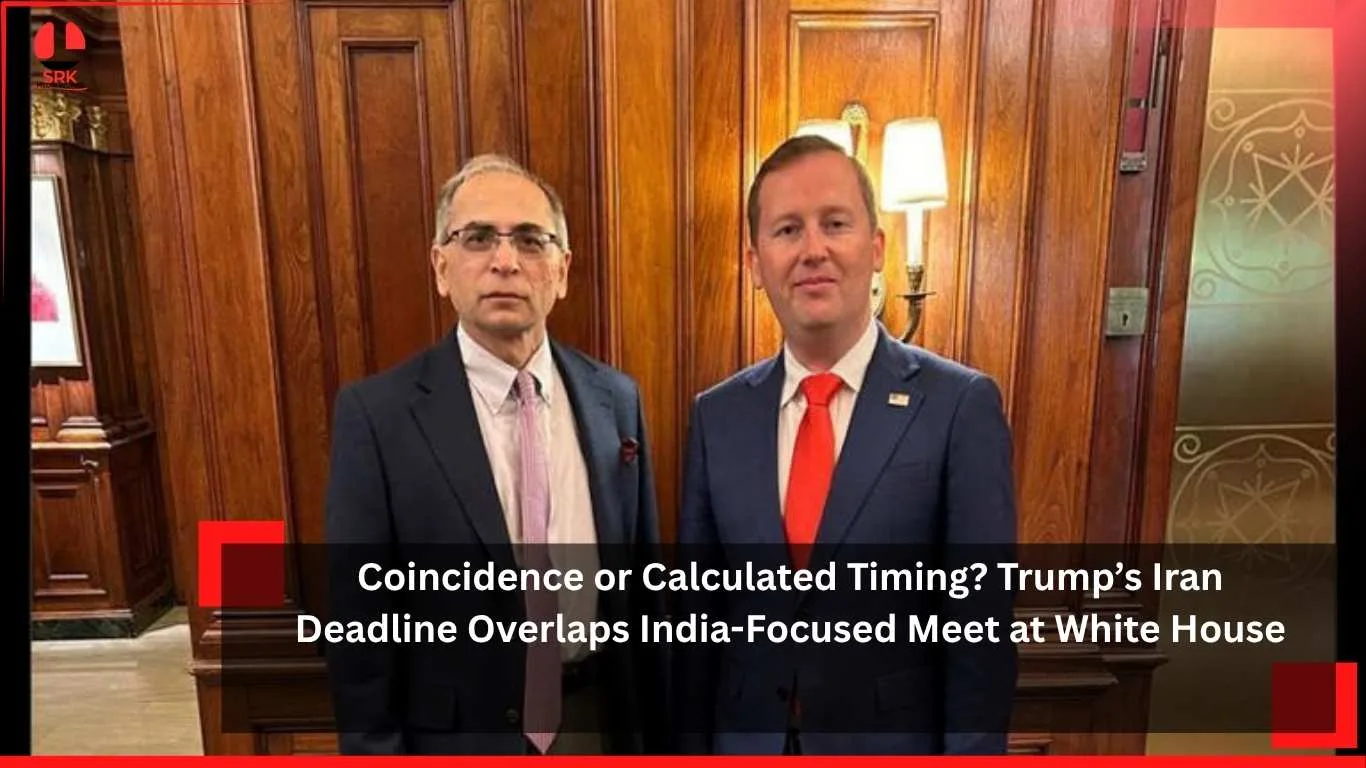
A striking overlap in global diplomacy has emerged as Donald Trump’s Iran deadline coincides with an India-focused meeting at the White House. The timing has sparked speculation about whether this was a coincidence or a calculated move to align two critical geopolitical priorities—managing tensions with Tehran while strengthening ties with New Delhi.
Background of the Overlap
The United States has been pressuring Iran with deadlines related to its missile program and regional activities. At the same time, Washington has been hosting high-level discussions centered on India’s role in trade, defense, and strategic cooperation. The overlap of these events has raised questions about the White House’s broader strategy in balancing Middle Eastern tensions with Indo-Pacific partnerships.
Trump’s Iran Deadline
The Iran deadline set by Trump’s administration revolves around:
- Missile Program Restrictions: Demanding Iran scale back its ballistic missile development.
- Proxy Activities: Pressuring Tehran to reduce support for regional militias.
- Diplomatic Engagement: Offering talks but warning of consequences if deadlines are ignored.
- Military Posturing: Reinforcing deterrence through visible readiness.
India-Focused White House Meeting
The India-focused meeting highlights:
- Trade Cooperation: Expanding economic ties between Washington and New Delhi.
- Defense Partnerships: Strengthening military collaboration, including technology transfer.
- Indo-Pacific Strategy: Positioning India as a key partner in countering China’s influence.
- Global Diplomacy: Showcasing India’s role as a rising power in international affairs.
Comparative Analysis of US Priorities
| Attribute | Iran Deadline (Middle East) | India Meeting (Indo-Pacific) |
|---|---|---|
| Strategic Focus | Containment, deterrence | Partnership, cooperation |
| Diplomatic Tone | Ultimatum, pressure | Engagement, collaboration |
| Military Dimension | Threat of strikes | Defense cooperation |
| Economic Impact | Sanctions, restrictions | Trade expansion |
| Global Perception | Aggressive, confrontational | Positive, strategic |
Pivot Analysis of Timing
| Factor | Before Overlap | After Overlap |
|---|---|---|
| Media Coverage | Separate focus | Intensified, linked narratives |
| Public Sentiment | Concerned | Speculative, questioning intent |
| Diplomatic Strategy | Distinct tracks | Interconnected priorities |
| Global Attention | Moderate | Heightened |
| Regional Stability | Fragile | More volatile |
Reactions from Global Stakeholders
- United States Analysts: Suggested the overlap may be deliberate, signaling Washington’s ability to manage multiple fronts.
- India: Welcomed the focus on bilateral ties, but cautious about being linked to Middle Eastern tensions.
- Iran: Dismissed the deadline as coercive, accusing Washington of distraction tactics.
- Global Observers: Noted that the overlap highlights the interconnectedness of US foreign policy priorities.
Challenges Ahead
The overlap presents challenges for Washington:
- Balancing Priorities: Managing Middle Eastern tensions while deepening Indo-Pacific partnerships.
- Diplomatic Messaging: Ensuring India is not seen as entangled in US-Iran disputes.
- Global Perception: Avoiding criticism that deadlines and meetings are staged for optics.
- Regional Stability: Preventing escalation in the Middle East from overshadowing Indo-Pacific cooperation.
Broader Implications
This incident underscores broader themes in global diplomacy:
- Interconnected Strategies: US foreign policy often links multiple regions simultaneously.
- Symbolism of Timing: Overlaps can signal strength or raise questions of calculation.
- India’s Rising Role: New Delhi is increasingly central to Washington’s global strategy.
- Middle East Fragility: Iran deadlines continue to destabilize regional dynamics.
Conclusion
The overlap of Trump’s Iran deadline with an India-focused White House meeting has sparked debate about whether this was coincidence or calculated timing. While the move may highlight Washington’s ability to manage multiple priorities, it also risks conflating two distinct diplomatic tracks.
The coming weeks will reveal whether the overlap strengthens US global strategy or complicates its efforts in both the Middle East and Indo-Pacific.
Disclaimer
This article is intended for informational purposes only. It is based on publicly available developments and does not represent official statements from the governments of the United States, India, or Iran. Readers should rely on official announcements for verified updates.