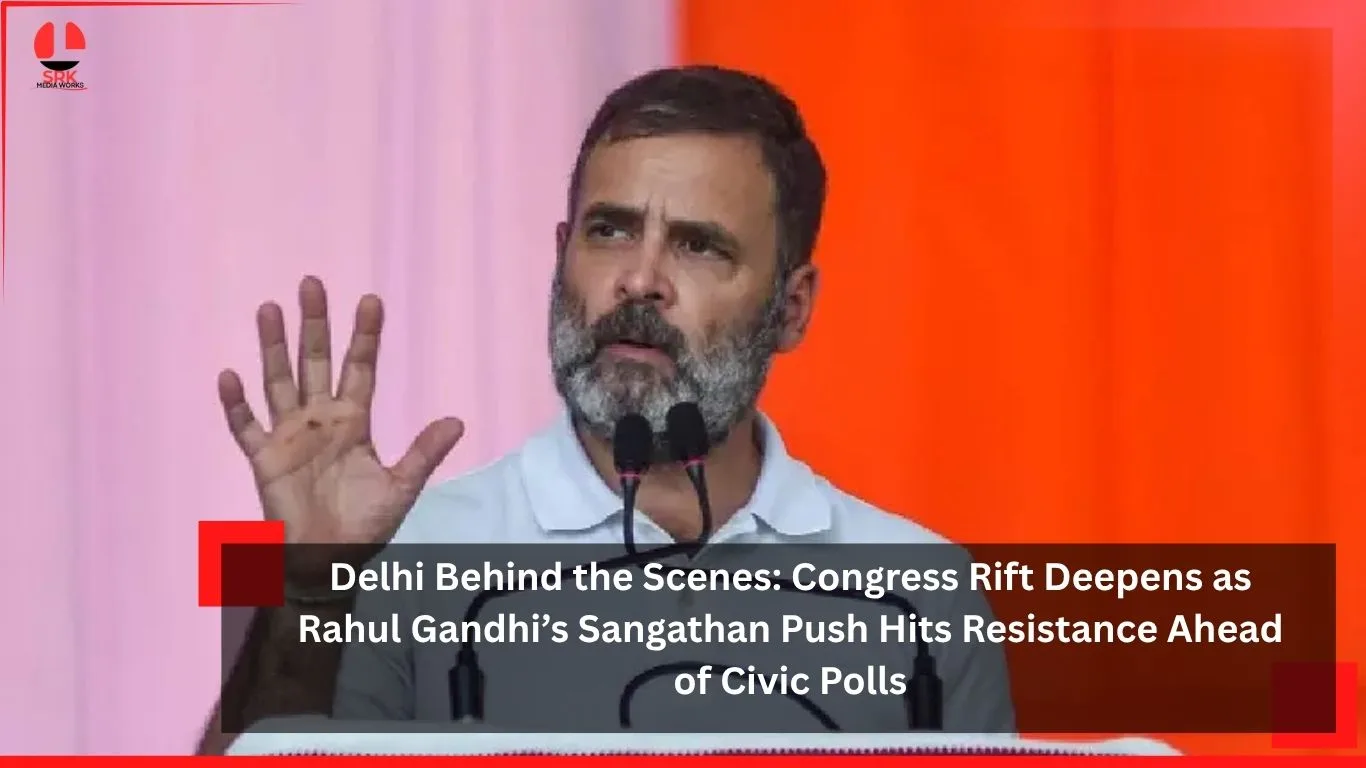
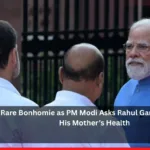


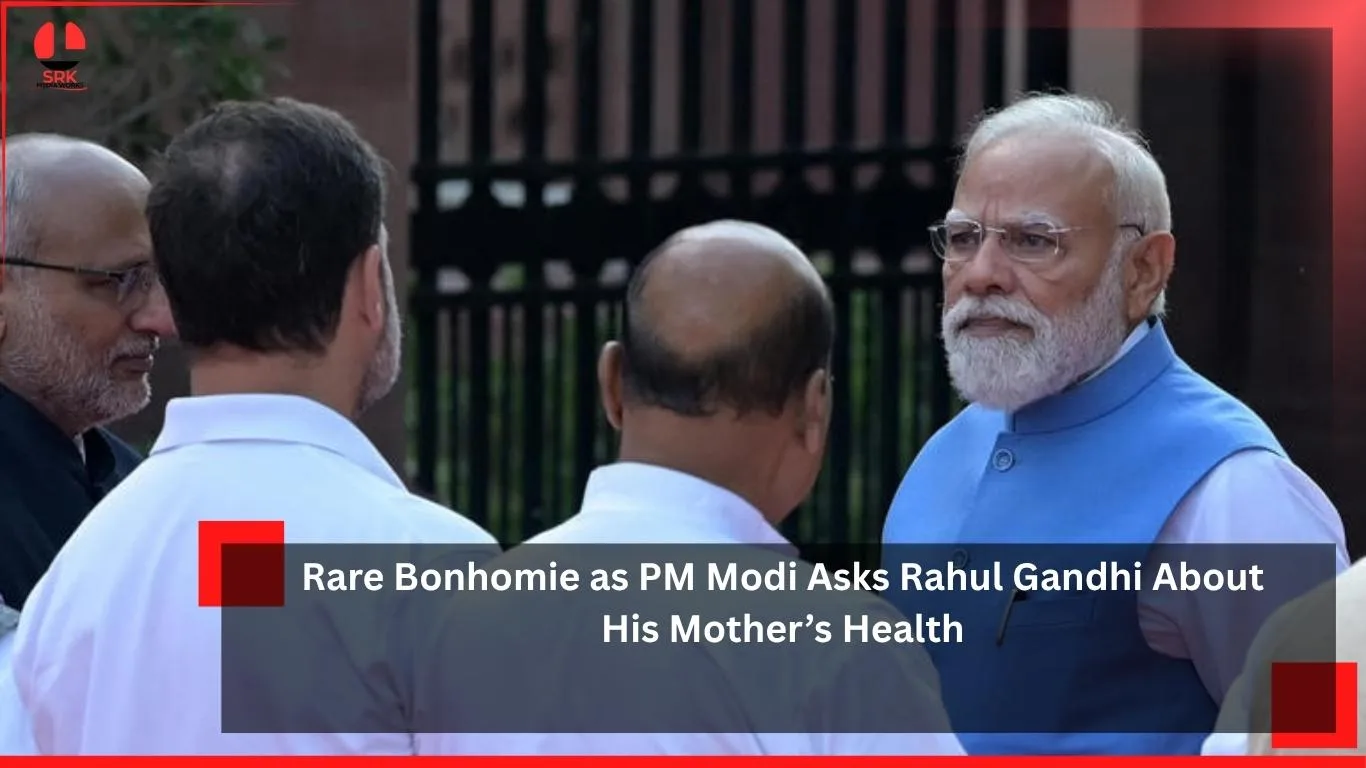
In a rare display of warmth across India’s political divide, Prime Minister Narendra Modi was seen asking Congress leader Rahul Gandhi about his mother Sonia Gandhi’s health. The exchange, which took place during a parliamentary session, has drawn attention for its unusual tone of civility amid otherwise sharp political clashes.
The Moment of Bonhomie
Witnesses reported that Modi, in a brief but notable gesture, inquired about Sonia Gandhi’s well-being. Rahul Gandhi responded with appreciation, marking a rare moment of cordiality between two leaders who are often at odds.
This exchange has been widely discussed in political circles, with many interpreting it as a reminder that personal respect can exist even amid fierce ideological battles.
Historical Context of Rivalry
The Bharatiya Janata Party (BJP) and the Congress have long been adversaries in Indian politics. Modi and Rahul Gandhi, as prominent faces of their respective parties, often engage in sharp criticism of each other’s policies and leadership styles. Against this backdrop, Modi’s inquiry about Sonia Gandhi’s health stood out as a gesture of humanity.
Public and Media Reaction
The incident has sparked conversations across social media and news platforms. Supporters of both parties noted the importance of civility in politics, while critics argued that such gestures are symbolic and do not change the underlying rivalry.
Comparative Analysis of Political Gestures
| Leader | Gesture | Context | Public Perception |
|---|---|---|---|
| Narendra Modi | Asked about Sonia Gandhi’s health | Parliamentary session | Seen as respectful |
| Rahul Gandhi | Acknowledged gesture | Responded positively | Appreciated for civility |
| Past Leaders | Occasional personal inquiries | Political rivalries | Symbolic but valued |
This comparison shows how personal gestures often transcend political divides, even if temporarily.
Pivot Analysis: Impact of Modi’s Gesture
| Dimension | Before Gesture | After Gesture | Implications |
|---|---|---|---|
| Political Atmosphere | Highly adversarial | Momentary warmth | Symbolic civility |
| Public Perception | Focus on rivalry | Recognition of respect | Humanizes politics |
| Media Coverage | Policy clashes dominate | Highlight on personal exchange | Balanced narratives |
| Party Relations | Tense | No major change | Symbolic but limited impact |
The pivot analysis highlights how such gestures, while not altering political realities, can influence public discourse.
Broader Significance
In Indian politics, where debates are often heated, moments of personal respect carry symbolic weight. Modi’s inquiry about Sonia Gandhi’s health reflects the cultural value placed on family and well-being, even in adversarial contexts.
Possible Outcomes
- Symbolic Civility: The gesture is remembered as a rare moment of respect.
- Public Discourse: Discussions on the importance of civility in politics gain traction.
- No Policy Impact: The gesture does not alter political strategies or rivalries.
- Historical Note: The incident becomes part of narratives about political culture in India.
Conclusion
The rare bonhomie between Prime Minister Modi and Rahul Gandhi, centered on Sonia Gandhi’s health, underscores the human dimension of politics. While it may not change the adversarial nature of Indian political discourse, it serves as a reminder that respect and civility can coexist with rivalry.
Disclaimer: This article is based on reported events and political analysis. It does not endorse any political party or leader. The content is intended for informational purposes only, highlighting how gestures of civility can influence public perception in political contexts. Readers should interpret the situation within the broader framework of Indian politics.