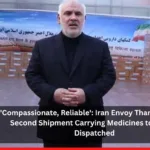

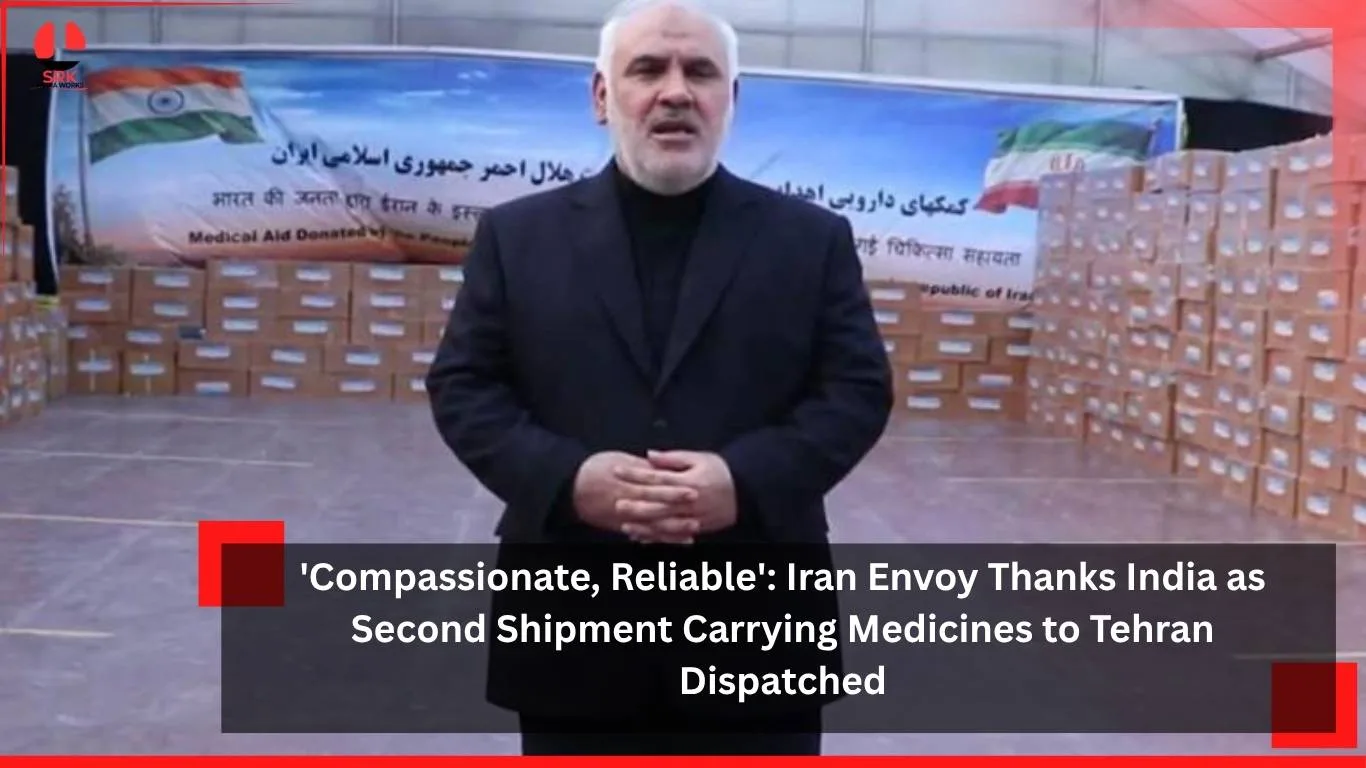
India has dispatched its second shipment of essential medicines to Tehran, drawing praise from Iran’s envoy who described New Delhi as “compassionate and reliable.” The gesture underscores India’s growing role in humanitarian diplomacy and highlights the strengthening of bilateral ties between the two nations amid global health challenges.
The Shipment and Its Significance
The latest consignment includes critical medicines and healthcare supplies aimed at supporting Iran’s healthcare system. With sanctions and supply chain disruptions affecting Iran’s access to medical goods, India’s assistance has been welcomed as a lifeline.
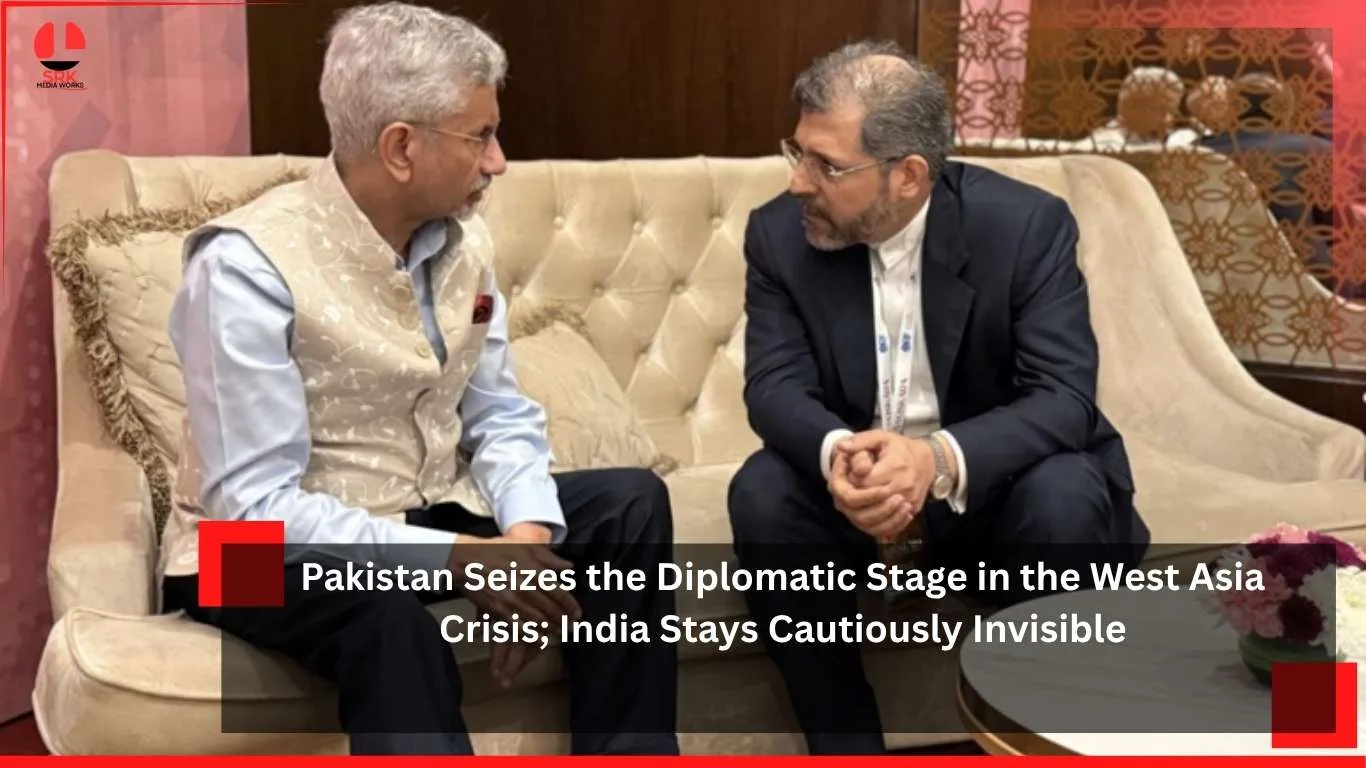
Iran’s envoy publicly thanked India, emphasizing that the gesture reflects not only compassion but also reliability in times of crisis. The statement has been widely interpreted as a reaffirmation of the trust Iran places in India as a strategic partner.
India’s Humanitarian Diplomacy
India has a long tradition of extending humanitarian aid, particularly in the health sector. By dispatching medicines to Iran, India reinforces its image as a responsible global actor. The move also aligns with India’s broader foreign policy of balancing strategic interests with humanitarian commitments.
Key aspects of India’s humanitarian diplomacy include:
- Providing medical aid to countries under sanctions.
- Supporting global vaccination and healthcare initiatives.
- Leveraging pharmaceutical strength to build goodwill.
Comparative Analysis of India’s Humanitarian Outreach
| Country/Region | Type of Aid | Impact | Diplomatic Outcome |
|---|---|---|---|
| Iran | Medicines, healthcare supplies | Strengthened healthcare resilience | Reinforced bilateral trust |
| Africa | Vaccines, medical training | Improved public health | Expanded influence |
| South Asia | Disaster relief, medicines | Immediate crisis support | Regional goodwill |
| Global (UN initiatives) | Vaccine donations | Global health equity | Enhanced global reputation |
This comparison shows how India’s outreach extends across regions, with each initiative reinforcing its diplomatic standing.
Pivot Analysis: India-Iran Relations
| Dimension | Before Medicine Shipments | After Medicine Shipments | Implications |
|---|---|---|---|
| Bilateral Trust | Moderate | Strengthened | Greater cooperation |
| Humanitarian Image | Recognized | Enhanced | India seen as reliable partner |
| Regional Diplomacy | Balanced | More inclusive | India gains leverage |
| Global Perception | Neutral | Positive | India’s role as humanitarian leader |
The pivot analysis highlights how India’s medical aid has reshaped perceptions and strengthened ties with Iran.
Iran’s Response
Iran’s envoy described India as “compassionate and reliable,” signaling appreciation for the timely support. The statement also reflects Iran’s desire to deepen ties with India, particularly in areas beyond trade and energy.
Strategic Implications
While the shipments are humanitarian in nature, they carry strategic weight. India’s assistance strengthens its position as a trusted partner in West Asia, balancing relationships with multiple stakeholders in the region.
Public and Media Reaction
The gesture has been widely covered in both Indian and Iranian media, with commentators noting the importance of humanitarian diplomacy in building long-term trust. Public sentiment has largely been positive, viewing the shipments as a reflection of India’s values.
Possible Outcomes
- Strengthened Bilateral Relations: India and Iran deepen cooperation in healthcare and beyond.
- Enhanced Global Image: India’s reputation as a humanitarian leader grows.
- Regional Influence: India gains leverage in West Asia through goodwill.
- Sustained Cooperation: Future shipments and collaborations reinforce ties.
Conclusion
India’s dispatch of a second shipment of medicines to Tehran, and Iran’s warm acknowledgment of the gesture, underscores the power of humanitarian diplomacy. By combining compassion with reliability, India not only supports Iran’s healthcare system but also strengthens bilateral ties and enhances its global reputation.
Disclaimer: This article is based on reported developments and diplomatic analysis. It does not endorse any political party or government. The content is intended for informational purposes only, highlighting humanitarian diplomacy and its implications. Readers should interpret the situation within the broader framework of international relations.