
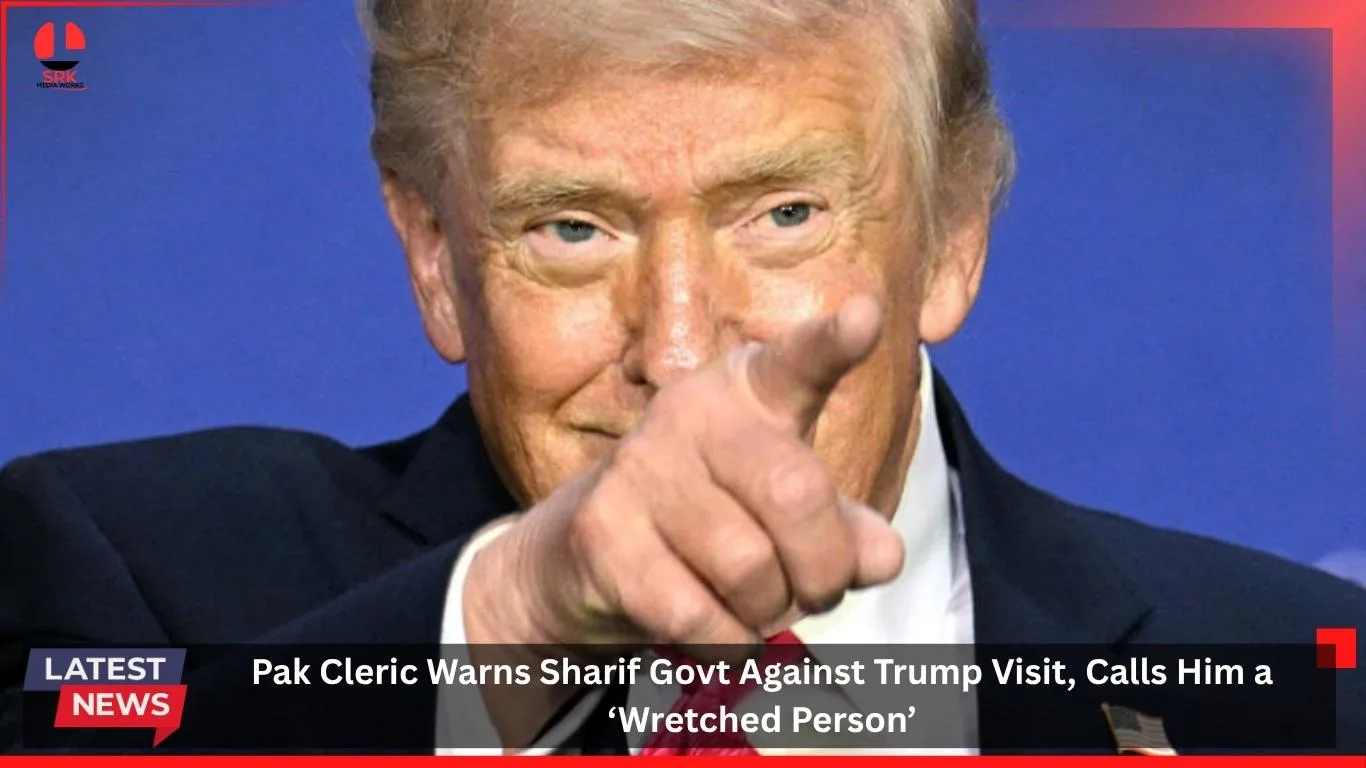
A prominent Pakistani cleric has issued a stern warning to Prime Minister Shehbaz Sharif’s government over the potential visit of U.S. President Donald Trump, labeling him a “wretched person.” The remarks have sparked debate across Pakistan’s political and religious circles, highlighting tensions over foreign policy and the role of religious leaders in shaping public opinion.
Cleric’s Statement
The cleric criticized the government’s openness to hosting Trump, arguing that such a visit would undermine Pakistan’s sovereignty and values.
- Strong Language: Trump was described as a “wretched person” unworthy of official welcome.
- Religious Concerns: The cleric warned that Trump’s policies were hostile to Muslim nations.
- Political Pressure: Urged the Sharif government to reconsider its diplomatic stance.
Government’s Position
The Sharif administration has not confirmed any official invitation but has emphasized the importance of maintaining diplomatic channels with Washington.
| Government Stance | Details | Public Reaction |
|---|---|---|
| Diplomatic Engagement | Maintaining ties with U.S. | Mixed responses |
| Economic Interests | Focus on trade and aid | Business community supportive |
| Security Cooperation | Counterterrorism collaboration | Security analysts cautious |
This table shows the balancing act faced by the government between diplomacy and domestic sentiment.
Public Reaction
- Supporters of Cleric: Many praised the cleric for speaking against Western influence.
- Critics: Others argued that Pakistan must engage with the U.S. for economic and security reasons.
- Neutral Voices: Some citizens expressed fatigue over political-religious disputes, calling for pragmatic governance.
Expert Opinions
- Political Analysts: “The cleric’s remarks reflect broader skepticism about U.S. foreign policy in Pakistan.”
- Religious Scholars: “Such statements resonate with segments of society but risk polarizing national debate.”
- Diplomatic Observers: “Pakistan must balance domestic pressures with international obligations.”
Historical Context of U.S.-Pakistan Relations
| Year | Event | Impact |
|---|---|---|
| 2001 | Post-9/11 cooperation | Strengthened military ties |
| 2011 | Bin Laden raid | Strained relations |
| 2018 | Aid suspension | Economic challenges |
| 2026 | Trump visit debate | Renewed controversy |
This timeline shows the fluctuating nature of U.S.-Pakistan relations, often marked by cooperation and tension.
Challenges Ahead
- Domestic Pressure: Religious leaders may continue to oppose U.S. engagement.
- Diplomatic Balance: Government must weigh economic and security interests against public sentiment.
- Regional Dynamics: Relations with neighboring countries could be influenced by Pakistan’s stance on Trump’s visit.
Conclusion
The cleric’s warning against Trump’s potential visit underscores the complex interplay between religion, politics, and diplomacy in Pakistan. While the Sharif government seeks to maintain ties with Washington, domestic opposition highlights the challenges of balancing international engagement with national sentiment. The debate reflects broader questions about Pakistan’s foreign policy direction in a volatile global environment.
Disclaimer
This article is based on publicly available information and commentary regarding a Pakistani cleric’s warning to the Sharif government about a potential visit by U.S. President Donald Trump. It is intended for informational purposes only and does not represent official statements from governments or religious institutions. Readers should rely on verified updates from authorities for the latest developments.