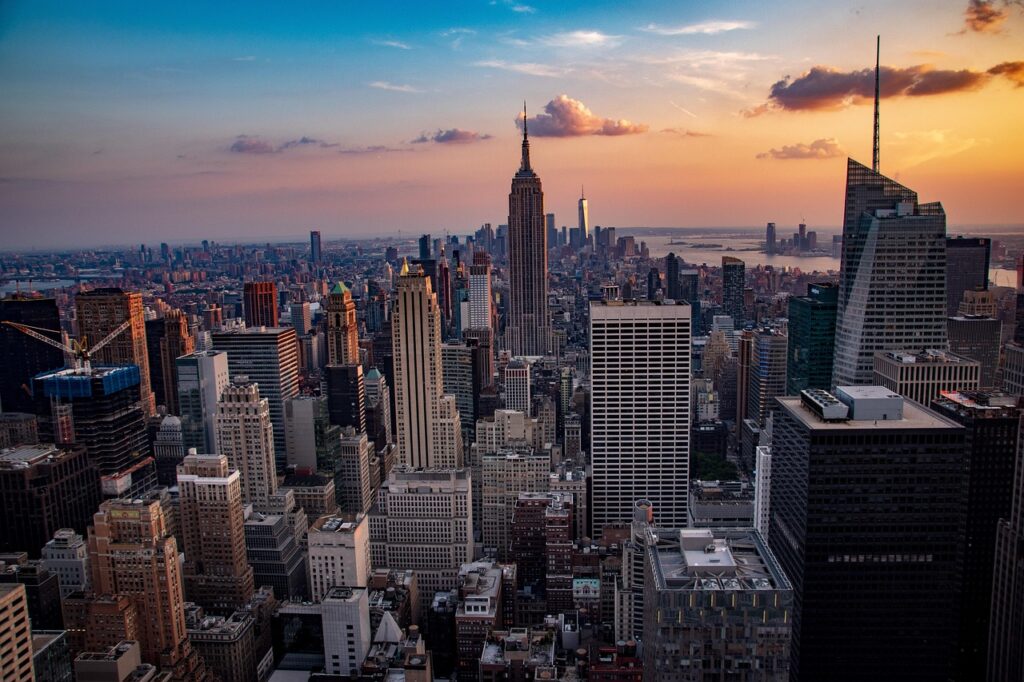

Two individuals were taken into police custody early Tuesday morning after scaling the exterior of the iconic Empire State Building in New York City. The pair, identified as part of a growing community of “roof-toppers,” bypassed high-level security to climb the skyscraper before unfurling a banner advocating for world peace and staging an on-site marriage proposal.
The Rise of Urban Exploration
Urban climbing, or “roof-topping,” involves scaling skyscrapers, antennas, and bridges without the use of safety equipment or official authorization. While the hobby has gained significant traction on social media platforms like Instagram and TikTok, it remains a dangerous and illegal activity in most major metropolitan areas.
The Empire State Building, a National Historic Landmark, maintains rigorous security protocols to prevent unauthorized access. Despite these measures, the climbers managed to navigate the building’s facade, prompting an immediate response from the New York City Police Department (NYPD) who were alerted to the breach mid-ascent.
Security and Legal Consequences
Law enforcement officials confirmed that the climbers were intercepted upon their descent and subsequently charged with criminal trespass and reckless endangerment. The stunt, which combined political messaging with a personal milestone, highlights the ongoing tension between thrill-seeking influencers and municipal security infrastructure.
“This is not just a prank; it is a severe security breach that endangers the lives of the participants and the public,” said a spokesperson for the NYPD. Legal experts note that trespassing on high-profile landmarks often results in significant fines and potential jail time, regardless of the climbers’ intentions.
The Impact of Social Media Incentives
Sociologists point to the “clout economy” as a primary driver for such high-stakes stunts. By documenting their climbs, individuals seek to build massive followings, often prioritizing viral potential over personal safety or legal repercussions.
Data from cybersecurity firms suggests that social media algorithms frequently amplify extreme behavior, rewarding users with visibility for taking risks. This trend creates a feedback loop where climbers feel compelled to escalate the danger of their stunts to maintain audience engagement.
Future Implications for Urban Landmarks
The incident serves as a catalyst for a broader discussion regarding the vulnerability of major architectural icons. Building managers are now under increased pressure to invest in enhanced surveillance, thermal imaging, and motion-detection systems to deter future incursions.
Industry experts suggest that as urban climbing grows in popularity, cities may move toward stricter digital policing, monitoring social media feeds to preemptively identify planned stunts. For the public, this incident underscores the thin line between adrenaline-fueled adventure and criminal activity, signaling that future attempts at scaling high-profile buildings will likely be met with swift and severe judicial intervention.