









Tragedy Strikes Dallas Residential District
A massive explosion ripped through a two-story apartment complex in Dallas on Thursday, resulting in multiple fatalities and triggering a large-scale emergency response that leveled sections of the residential building. Local fire officials confirmed that the blast occurred in the mid-morning hours, sending debris into neighboring properties and forcing a frantic evacuation of the surrounding blocks as crews worked to contain the resulting inferno.
First responders arrived on the scene within minutes to find the structure partially collapsed and engulfed in flames. While fire suppression teams successfully brought the blaze under control by late afternoon, authorities have confirmed that search and recovery efforts for missing residents remain active as the site is deemed structurally unstable.
Context and Incident Background
The apartment complex, located in a high-density residential area of Dallas, had been undergoing routine maintenance in recent weeks, according to preliminary reports from local municipal records. While the exact cause of the explosion remains under investigation, officials have cordoned off a three-block radius to ensure public safety and to allow investigators from the Bureau of Alcohol, Tobacco, Firearms and Explosives (ATF) to begin their assessment.
Building explosions of this magnitude are rare, but they highlight the persistent risks associated with aging infrastructure and utility distribution systems. In dense urban environments, the proximity of residential units to gas lines and electrical grids creates complex safety challenges for municipal inspectors and property managers alike.
Operational Challenges in Recovery
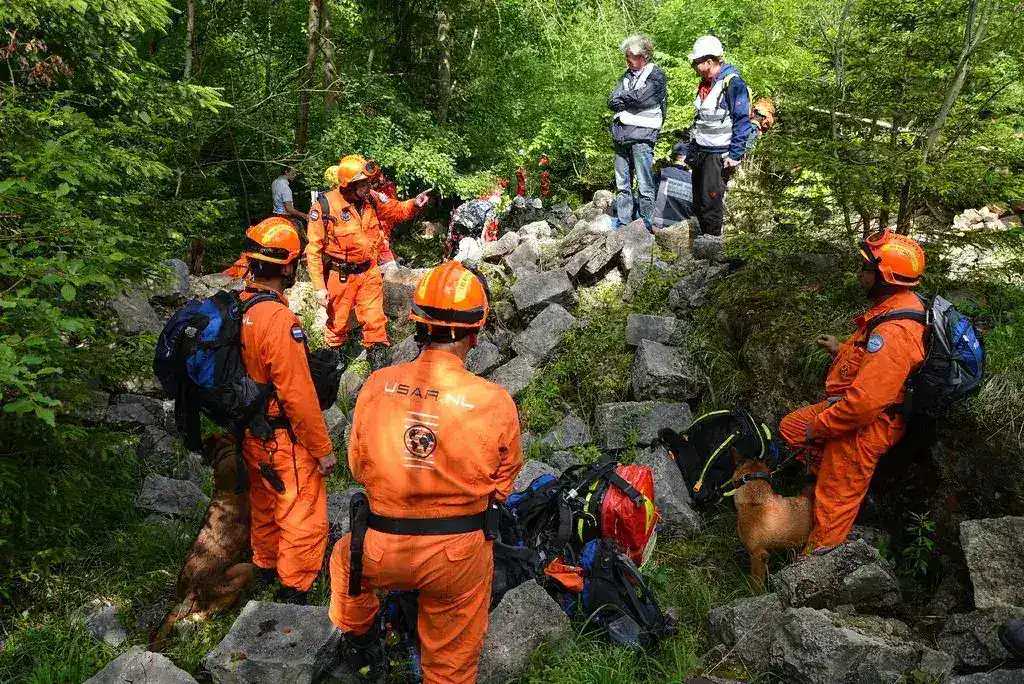
Emergency crews are currently utilizing thermal imaging drones and K-9 units to navigate the unstable debris field. The structural integrity of the remaining walls poses a significant threat to firefighters, necessitating a slow and methodical approach to the search for survivors.
Chief of the Dallas Fire-Rescue Department noted that the intensity of the blast caused internal floor collapses, complicating access to lower-level units. “Our priority is the safety of our teams while we exhaust every possibility of finding those still unaccounted for,” the Chief stated during a press briefing held near the command center.
Expert Analysis on Urban Safety
Industry experts suggest that the incident will likely trigger a renewed focus on building code enforcement and gas safety monitoring. According to data from the National Fire Protection Association (NFPA), residential fires involving structural explosions often point to undetected gas leaks or mechanical failures in heating systems that go unaddressed during standard inspections.
Structural engineers observing the site indicate that the force of the blast suggests a high-pressure event, likely involving the rapid ignition of trapped gases. Such events underscore the necessity for integrated smart-sensor technology in residential buildings, which can detect leaks and automatically shut off utility feeds before concentrations reach explosive levels.
Future Implications for Urban Housing
The immediate fallout from this tragedy will be a rigorous inspection mandate for similar residential complexes across the Dallas-Fort Worth metroplex. Property owners should anticipate heightened scrutiny regarding gas safety audits and emergency preparedness protocols in the coming months.
As the investigation proceeds, industry stakeholders will be watching for findings regarding the specific point of origin of the blast. The results of this inquiry are expected to influence future safety regulations for multi-family housing, potentially mandating updated fire suppression and gas detection systems to mitigate the risk of similar catastrophic failures in the future.