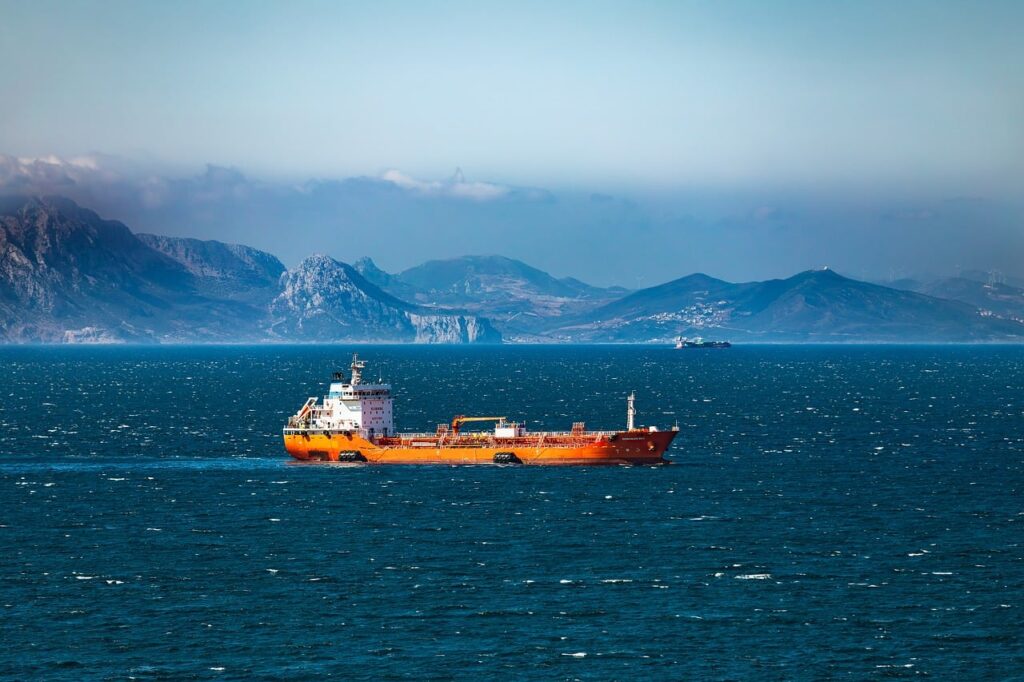

The United States military launched targeted strikes against Iranian assets on Tuesday, responding to a series of aggressive maneuvers by Tehran against commercial shipping vessels in the critical Strait of Hormuz. This escalation occurs simultaneously with the annual NATO leadership summit in Turkey, where heads of state have convened to address mounting geopolitical instability in the Middle East and beyond.
Context of Regional Tensions
The Strait of Hormuz serves as one of the world’s most vital maritime chokepoints, through which approximately 20 percent of the world’s petroleum consumption flows. Recent months have seen a sharp increase in Iranian-backed harassment of international tankers, prompting the Pentagon to bolster its regional presence to ensure freedom of navigation.
U.S. Central Command confirmed the strikes, describing them as a necessary measure to protect maritime trade routes. This action follows weeks of failed diplomatic efforts to curb Iranian interference in the region’s shipping lanes.
Strategic Implications of the NATO Summit
The timing of the military intervention has fundamentally shifted the agenda at the NATO summit in Turkey. While the gathering was originally scheduled to focus on European security and alliance expansion, the focus has pivoted sharply toward the unfolding crisis in the Persian Gulf.
Diplomatic analysts suggest that the U.S. strike serves as a signal to alliance members regarding the Biden administration’s commitment to protecting global energy security. However, the move also introduces new complexities for NATO members attempting to maintain a unified front while managing their own energy dependencies and diplomatic ties to Tehran.
Expert Perspectives and Data
Defense analysts note that the strikes were calibrated to degrade Iranian capabilities without triggering an all-out regional conflict. According to data from the International Maritime Organization, attacks on commercial shipping in the Strait have increased by nearly 30 percent over the last fiscal year, creating significant volatility in global oil markets.
“The U.S. is walking a tightrope between deterrence and escalation,” noted Dr. Elena Vance, a senior fellow at the Institute for Global Security. “The challenge lies in preventing these localized naval skirmishes from spiraling into a broader military engagement that could destabilize the entire global economy.”
Looking Ahead
Market observers are now closely monitoring crude oil futures, which have shown immediate sensitivity to the news of the strikes. The coming days will be critical as world leaders continue their deliberations in Turkey to determine whether a collective diplomatic or military response is required to stabilize the region.
Industry experts advise keeping a close watch on potential retaliatory measures from Iranian proxies in the region, as well as any official statements from the Iranian Ministry of Foreign Affairs. The volatility in the Strait of Hormuz remains a primary indicator of whether the current U.S. strategy will succeed in restoring safe passage for global shipping or if further intervention will be necessary.