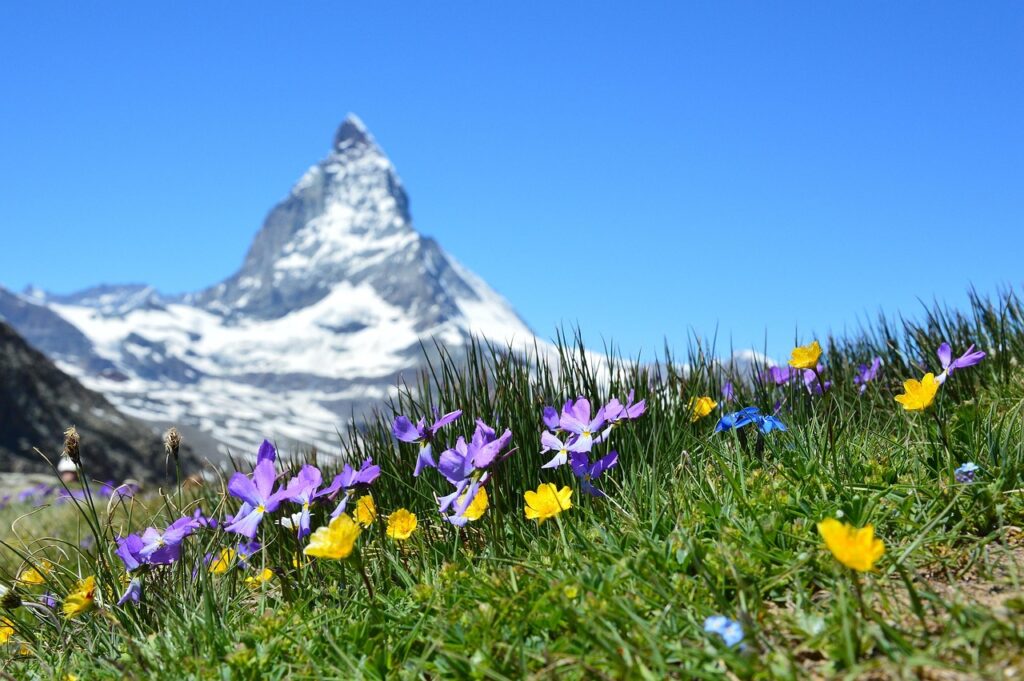

Travelers and nature enthusiasts are flocking to high-altitude meadows and protected plateaus this month as the annual wildflower season reaches its peak across Asia. From the UNESCO-recognized Kaas Plateau in Maharashtra to the rugged Dzukou Valley on the Nagaland-Manipur border, regions are currently experiencing a rare convergence of blooming Himalayan flora and endemic lilies. This seasonal phenomenon, driven by specific post-monsoon climate conditions and altitude-dependent temperatures, has turned remote trekking trails into vibrant corridors of biodiversity.
Understanding the Seasonal Migration of Blooms
Wildflower seasons are dictated by the delicate balance of soil moisture, temperature fluctuations, and sunlight exposure. In the Western Ghats, the Kaas Plateau serves as a critical hotspot where the landscape undergoes a transformation every few years, often referred to as the Valley of Flowers of the South.
Similarly, the Himalayan regions, including the Hampta Pass and the alpine meadows of Nepal, operate on a distinct schedule. As the snow recedes, the soil warms, triggering a brief but intense window where dormant seeds germinate and perennials bloom simultaneously. This narrow temporal window is essential for the region’s pollinators and local ecosystems.
Diverse Terrains and Floral Varieties
The variety of species found across these regions is vast, ranging from the delicate ground orchids of the plateau regions to the robust Himalayan blue poppies found at higher elevations. At Dzukou Valley, the landscape is defined by the endemic Dzukou Lily, a flower that thrives in the valley’s unique microclimate at an elevation of 2,452 meters.
Trekking experts note that Hampta Pass offers a stark contrast, transitioning from lush green valleys filled with buttercups and gentians to the arid, rocky terrain of the Lahaul Valley. In Nepal, the alpine meadows provide a broader spectrum of flora, including primulas and rhododendrons, which characterize the high-altitude biodiversity of the region.
Expert Insights on Conservation and Access
Botanists emphasize that while tourism provides economic support to remote mountain communities, it also poses risks to fragile habitats. Dr. Aruna Kulkarni, a researcher specializing in plateau ecology, notes that trampling is the primary threat to the delicate root systems of endemic flowers.
Data from local forest departments indicate that foot traffic in protected areas like the Kaas Plateau has increased by nearly 20% over the last five years. To mitigate this, many regions are implementing strict carrying capacity limits and mandatory guided trekking protocols to preserve the natural lifecycle of the flora.
Implications for the Future of Eco-Tourism
The rising popularity of floral trekking suggests a shifting preference among travelers toward sustainable, nature-centric experiences. For the tourism industry, this represents a transition from mass-market sightseeing to specialized, seasonal travel that requires careful management and ecological sensitivity.
Looking ahead, observers should watch for the integration of digital monitoring tools to track bloom cycles in real-time. As climate change continues to shift flowering windows, the ability to predict and protect these sites will become increasingly critical for conservationists and tour operators alike.