





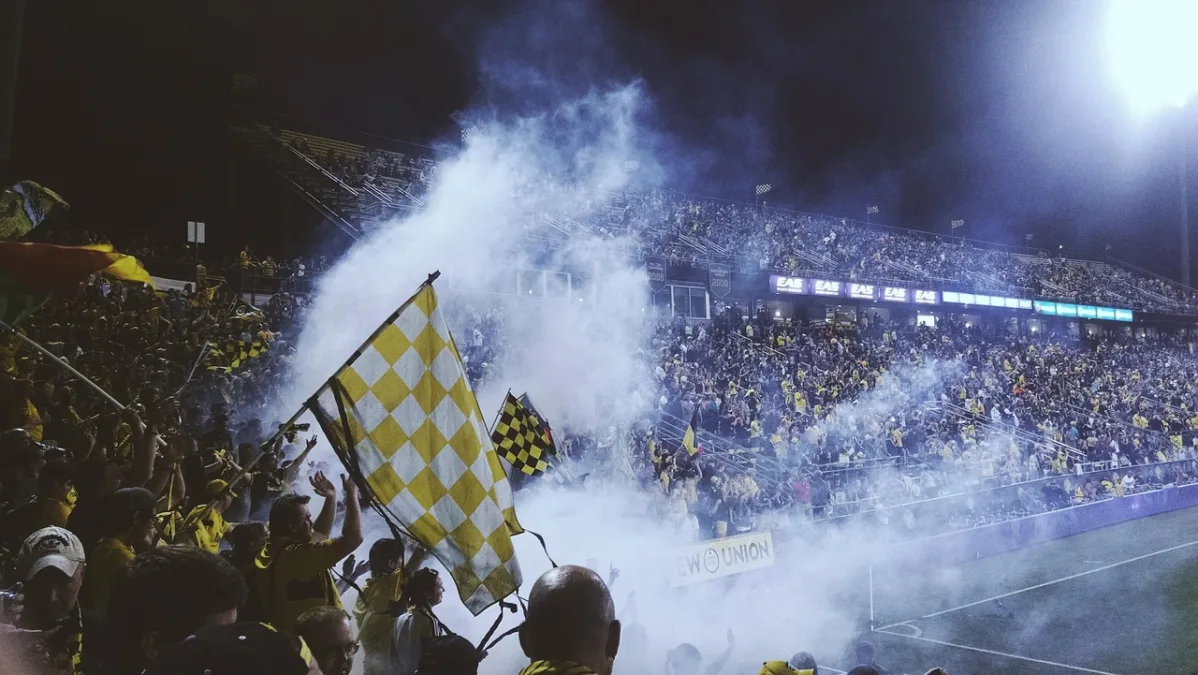
Former U.S. President Donald Trump faced a hostile reception from spectators at Madison Square Garden in New York City during Game 3 of the NBA Finals, where he was greeted with audible boos as his image appeared on the arena’s large-screen displays. The incident, occurring during a high-stakes professional basketball matchup, highlighted the ongoing intersection of American political polarization and the country’s most prominent cultural and sporting venues.
Contextualizing Political Spectacle in Sports
The presence of high-profile political figures at major sporting events has historically served as a platform for public expression, ranging from ceremonial honors to vocal dissent. In recent years, arenas have increasingly become barometers for public sentiment toward elected officials and former heads of state.
This particular incident follows a trend of political figures encountering mixed reactions at national events. While some attendees may view the presence of a former president as a matter of civic protocol, others utilize the venue to voice disapproval regarding specific policies or political rhetoric.
The Dynamics of Arena Crowd Behavior
Crowd behavior at sporting events is often impulsive and collective, driven by the anonymity of the masses and the emotional intensity of the game. Sports sociologists note that when a political figure is displayed on a jumbotron, the audience’s reaction is rarely neutral.
Data from recent polling organizations, including Pew Research Center, suggests that political animosity in the United States remains at near-record highs. This polarization often spills over into non-political spheres, as individuals feel emboldened to express their partisan affiliations in public settings.
Expert Perspectives on Public Dissent
Political analysts argue that the boos directed at high-ranking officials are symptomatic of a broader breakdown in civil discourse. Dr. Elena Rodriguez, a professor of political communications, notes that the stadium environment acts as a unique ‘town square’ where the barriers between celebrity culture and governance are effectively removed.
Conversely, some observers suggest that such reactions are simply the cost of participating in the public eye. Supporters of the former president often frame these moments as media-manufactured narratives designed to emphasize opposition while ignoring the presence of supporters who may have been present but less vocal.
Broader Implications for Public Figures
For political figures, these public encounters present a complex challenge in image management. The decision to attend a large-scale public event carries the inherent risk of negative feedback, which can be captured and disseminated globally via social media within seconds.
The industry is now watching how security protocols and media management strategies might evolve to mitigate such public displays. Future events may see increased scrutiny regarding the timing and frequency of political figures being highlighted on arena screens, as event organizers attempt to balance entertainment value with public order.
Looking ahead, the focus will remain on whether these instances of public disapproval influence the travel and public appearance strategies of political candidates leading into future election cycles. Observers are monitoring whether campaigns will pivot toward more controlled, private environments or continue to embrace the unpredictability of large-scale public appearances to demonstrate resilience.