






Country music star Brad Paisley has publicly challenged plans for a 69,000-square-foot data center slated for construction near the Nashville Zoo, urging fans and local residents to sign a petition against the development. The proposed facility, which would sit just 50 yards from the zoo’s perimeter, has ignited a fierce debate regarding land use, animal welfare, and the rapid industrial expansion currently reshaping the Nashville metropolitan area.
The Context of Development Disputes
Nashville has experienced unprecedented growth over the last decade, leading to a surge in infrastructure projects designed to support the city’s increasing technological demands. Data centers, which serve as the backbone for cloud computing and internet traffic, require significant electrical power and physical space, often pitting industrial developers against residential neighborhoods and public recreational sites.
The Nashville Zoo is one of the region’s most popular attractions, drawing hundreds of thousands of visitors annually. Conservationists and community members have raised concerns that the noise, lighting, and environmental impact of a high-capacity server facility could disrupt the natural habitats and behavioral patterns of the animals housed at the zoo.
Concerns Over Environmental and Aesthetic Impact
Paisley, a long-time resident and advocate for the Nashville area, took to social media to voice his opposition, highlighting the proximity of the project to the zoo’s animal enclosures. Critics of the development argue that the construction process alone could cause significant stress to sensitive species, while the long-term operation of the center may introduce light pollution and mechanical noise that contradicts the zoo’s mission of environmental stewardship.
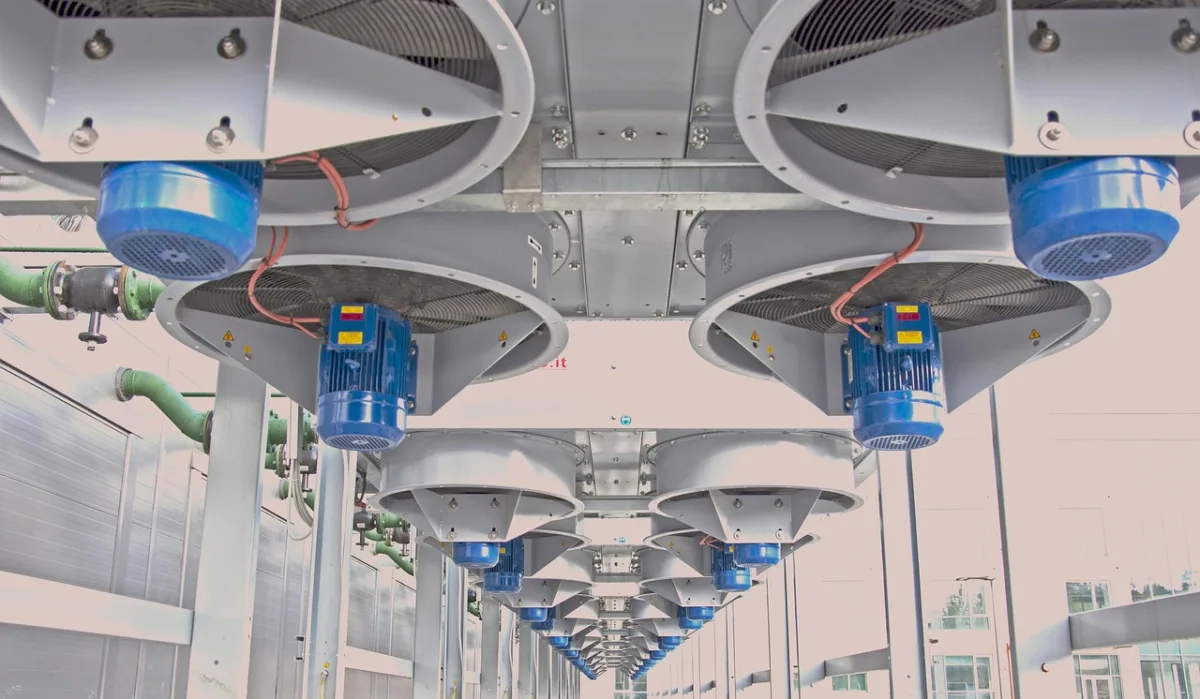
Data centers are notorious for their reliance on large-scale cooling systems, which often generate a constant, low-frequency hum. While developers typically argue that modern sound-dampening technology can mitigate these effects, local activists remain skeptical. They point to the specific placement of the facility, which sits in a sensitive buffer zone between urban development and the zoo’s protected grounds.
Industry Trends and Zoning Challenges
The conflict underscores a broader trend in urban planning: the struggle to balance the necessity of digital infrastructure with the protection of public quality-of-life assets. According to industry data from CBRE, demand for data center capacity in secondary markets like Nashville has surged as companies move operations out of traditional tech hubs like Northern Virginia and Silicon Valley.
This shift has left local planning commissions scrambling to update zoning regulations. Often, existing zoning laws were written before the modern explosion of data center construction, leading to legal gray areas where industrial facilities can be permitted in locations that residents deem inappropriate.
Looking Ahead: The Battle for Land Use
The petition supported by Paisley has garnered thousands of signatures, signaling significant public pressure on the Metropolitan Planning Commission to reconsider the site’s approval. As the debate moves toward formal public hearings, the outcome could set a precedent for how Nashville handles future industrial developments near major cultural and ecological landmarks.
Observers are now watching to see if the developers will propose significant design modifications or if the city will move to rezone the parcel to prevent similar projects from encroaching on the zoo in the future. The resolution of this dispute will likely dictate the regulatory landscape for data center construction in Middle Tennessee for years to come.