









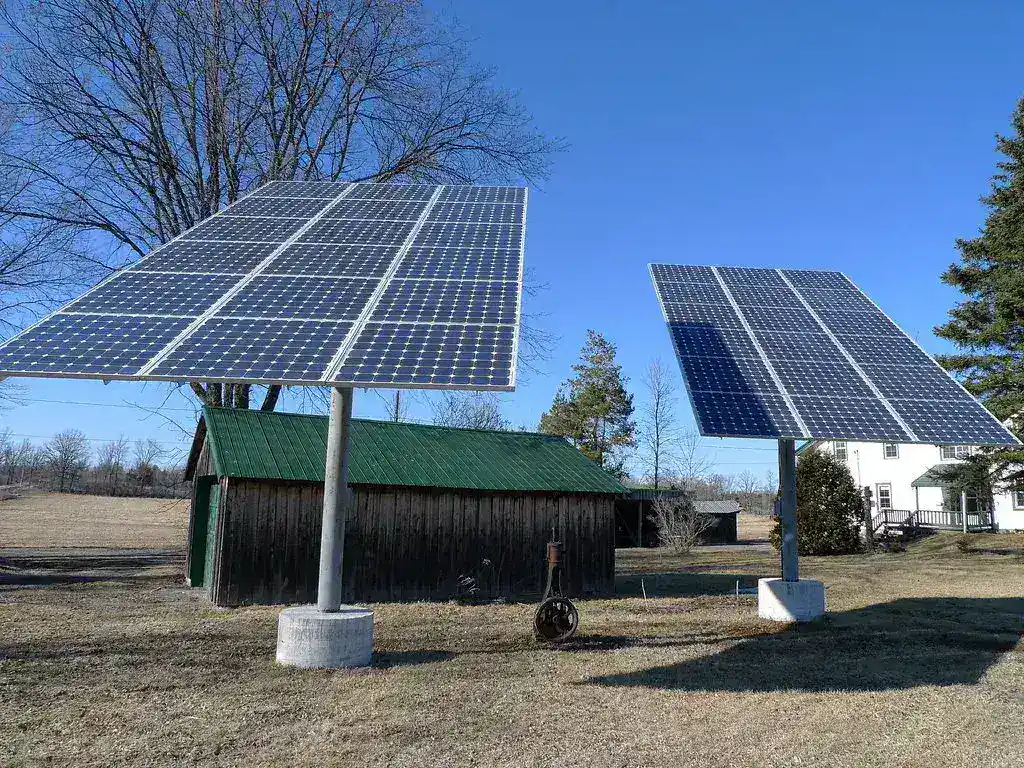
The Shift Toward Domestic Energy Independence
As escalating tensions between Iran and regional adversaries threaten the stability of the Strait of Hormuz, energy-importing nations worldwide are aggressively pivoting toward domestic energy production this month. Governments from Europe to East Asia are accelerating investments in renewable infrastructure and localized fossil fuel extraction to insulate their economies from the extreme price volatility inherent in Middle Eastern oil and gas markets.
The Fragility of Global Supply Chains
The Strait of Hormuz remains the world’s most critical maritime oil chokepoint, with approximately 21 million barrels of oil passing through daily, according to data from the U.S. Energy Information Administration (EIA). For decades, global markets have relied on the relative security of these transit routes to keep energy prices stable. However, the current Iranian conflict has exposed the inherent vulnerability of this dependence, prompting a rapid reassessment of national security strategies.
Accelerating the Energy Transition
Policymakers are increasingly framing renewable energy adoption not merely as a climate goal, but as a pillar of national security. In Germany and Japan, two of the world’s largest energy importers, legislative bodies are fast-tracking permits for offshore wind farms and grid modernization projects. By reducing reliance on imported hydrocarbons, these nations aim to decouple their industrial output from the geopolitical instability of the Persian Gulf.
Economic Implications of Market Volatility
Energy analysts warn that the current supply chain jitters are causing a ripple effect across global inflation indices. When oil prices spike due to regional conflict, the cost of manufacturing and transportation rises instantaneously, placing immense pressure on central banks. According to a recent report by the International Energy Agency (IEA), countries that maintain a diverse energy mix are significantly more resilient to these supply-side shocks than those tethered to single-source imports.
The Rise of Regionalized Power Grids
Beyond individual national efforts, countries are forming regional energy alliances to share resources and stabilize local grids. This movement toward