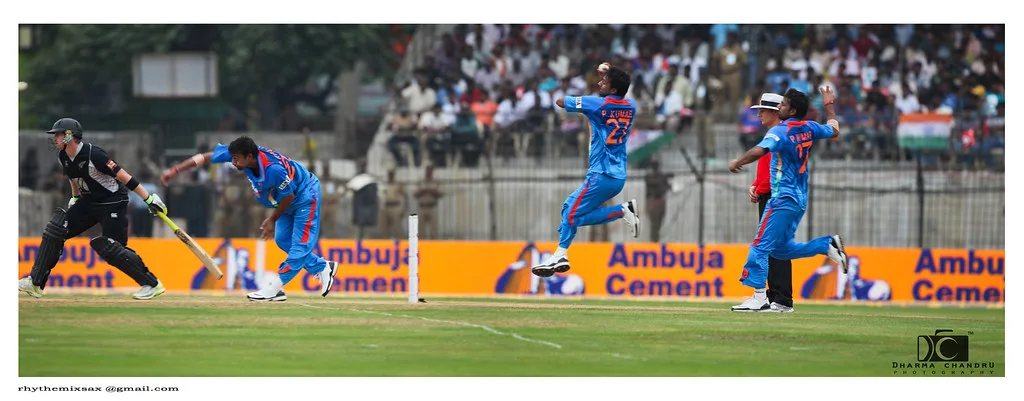










In a commanding display of spin bowling prowess, the Indian cricket team secured its largest-ever Test match victory against Afghanistan this week, wrapping up a comprehensive win well inside three days. The one-off Test, held at the M. Chinnaswamy Stadium, saw debutant left-arm spinner Manav take center stage with a six-wicket haul, effectively dismantling the Afghan batting lineup and forcing a follow-on that the visitors could not overcome.
Setting the Historical Context
This match marked a significant chapter in Afghanistan’s relatively short Test history, as the team continues to find its footing against established cricketing giants. India, entering the contest as the clear favorite, utilized its deep reserves of spin talent to exploit a pitch that offered significant turn and bounce from the opening session.
The Afghan side, which gained Full Member status from the International Cricket Council in 2017, has struggled to adapt to the rigors of the five-day format compared to their success in limited-overs cricket. This match served as a stark demonstration of the gap in technical proficiency required for long-form red-ball play.
A Masterclass in Spin Bowling
The turning point of the match arrived during the first innings, where Manav claimed six wickets, leaving the Afghan batsmen visibly rattled. His ability to extract sharp spin from the surface ensured that India maintained a stranglehold on the game from the outset.
Following the follow-on, the Indian spin attack proved equally relentless. Washington Sundar claimed four crucial wickets, while Kuldeep Yadav added three more to his tally, systematically bundling out Afghanistan for just 112 runs. The synergy between the Indian spinners stifled any potential resistance, turning what was expected to be a competitive encounter into a one-sided affair.
Statistical Dominance and Expert Insight
Data from the match highlights the extreme disparity in scoring rates and wicket-taking frequency. While the Indian top order capitalized on the conditions, the Afghan middle order was restricted to a strike rate that struggled to rotate the strike against the Indian spinners.
Cricket analysts noted that the Indian team’s preparation for this encounter was precise, focusing on line and length to negate the aggressive stroke-play typical of the Afghan side. “The precision shown by the debutant and the seasoned spinners alike highlights the depth of the Indian talent pipeline,” observed one lead commentator following the conclusion of the match.
Industry Implications and Future Outlook
For the Indian cricket board, this victory reinforces the dominance of their spin-friendly home conditions and validates the selection of younger players like Manav in high-pressure environments. It suggests a strategic shift toward integrating fresher spin talent alongside established international performers to ensure long-term sustainability.
For Afghanistan, the loss underscores an urgent need for increased exposure to red-ball conditions and a more robust domestic structure to handle the demands of Test cricket. Observers will be watching closely to see how the Afghan board adjusts its training programs to bridge the technical divide before their next international assignment. The focus now shifts to whether this trend of dominant spin-led victories will continue in the upcoming home season, or if opposing teams will develop a counter-strategy to handle India’s formidable slow-bowling battery.