



Nearly 380,000 Canadians have submitted feedback to Transport Canada regarding the growing prevalence of vehicle headlight glare, marking one of the largest public consultations on automotive safety in recent memory. The federal department confirmed the record-breaking volume of responses this month, signaling widespread frustration among motorists who claim that modern LED and high-intensity discharge (HID) lighting systems are creating hazardous conditions on public roads.
The Evolution of Automotive Lighting
For decades, halogen bulbs were the industry standard, providing a warm, yellowish light that was relatively easy on the eyes. However, the automotive industry has shifted rapidly toward LED and HID technology over the last decade, primarily because these lights offer superior energy efficiency and a longer lifespan.
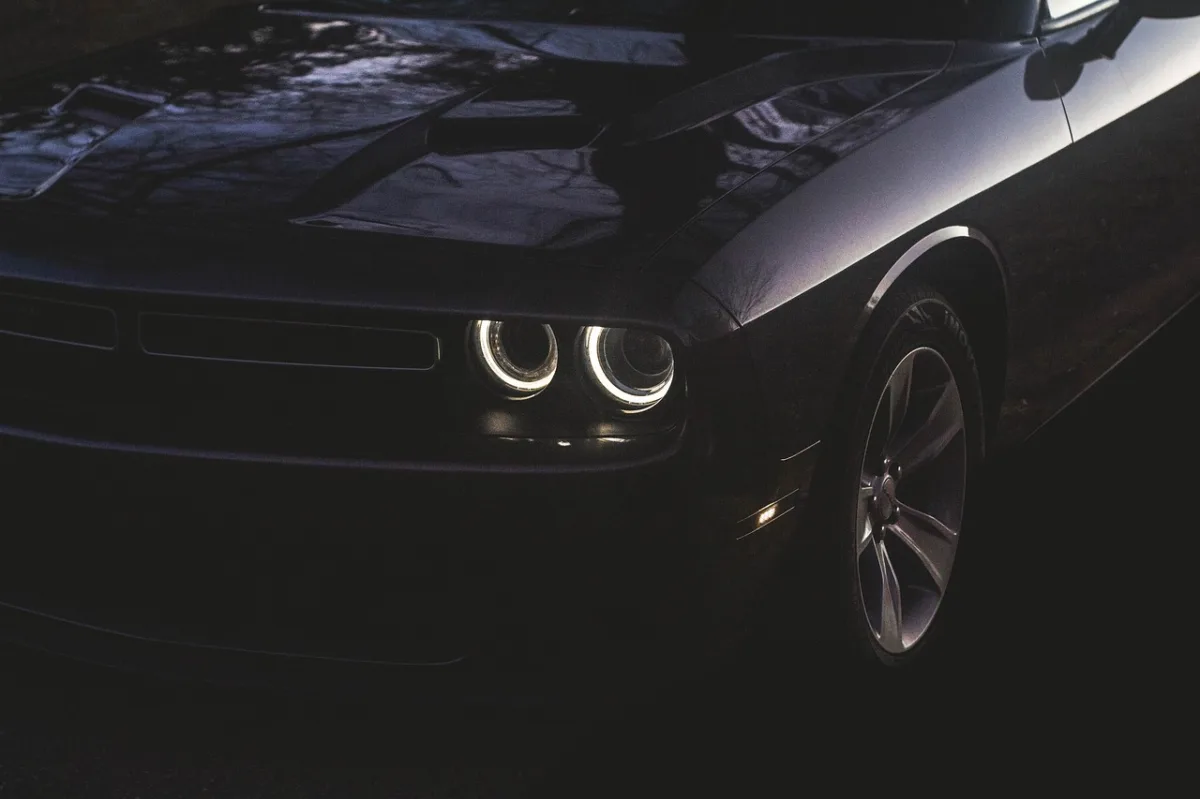
While these advancements have improved visibility for the driver behind the wheel, they have introduced unintended consequences for oncoming traffic. The blue-tinted spectrum of modern LEDs is more easily scattered by the human eye, which can lead to increased discomfort and a temporary reduction in visual acuity for other drivers.
A Mounting Safety Concern
The surge in public feedback coincides with a broader shift in vehicle design, specifically the rise of SUVs and trucks. Because these vehicles sit higher off the ground, their headlights are naturally positioned closer to the eye level of drivers in smaller sedans or compact cars.
According to data from the Insurance Institute for Highway Safety (IIHS), headlight performance has improved significantly in terms of road illumination, but glare remains a persistent design challenge. The IIHS notes that even when headlights are aimed correctly, the sheer intensity of high-output systems can overwhelm the ability of the human eye to adjust, particularly in rural areas without street lighting.
Expert Perspectives on Regulation
Safety experts argue that the current regulatory framework, which dates back to a time before the mass adoption of ultra-bright LED technology, may be outdated. Dr. Marcus Thorne, a traffic safety researcher, notes that the current standards focus heavily on road illumination patterns rather than the physiological impact of light intensity on the human retina.
“We are seeing a significant disconnect between current safety standards and the reality of modern lighting technology,” Thorne explains. “The issue is not just about brightness; it is about the spectral composition of the light and the mounting height of the fixtures themselves.”
Industry and Regulatory Implications
For the automotive industry, the massive public response forces a delicate balancing act. Manufacturers prioritize high-intensity lighting to achieve top safety ratings from agencies that test visibility, yet they now face mounting pressure to mitigate glare through improved beam-pattern control and adaptive lighting systems.
For Canadian drivers, the immediate future may involve new federal standards regarding headlight intensity and focus. Transport Canada is currently analyzing the data provided by the 380,000 respondents, a process that is expected to inform potential revisions to the Motor Vehicle Safety Regulations.
What to Watch Next
As Transport Canada moves toward summarizing its findings, the industry will be watching for potential mandates on automatic headlight leveling systems or stricter caps on lumen output. Observers should monitor upcoming policy announcements to see if Canada adopts international standards or establishes a unique regulatory path that could force manufacturers to redesign headlight assemblies for the North American market.