









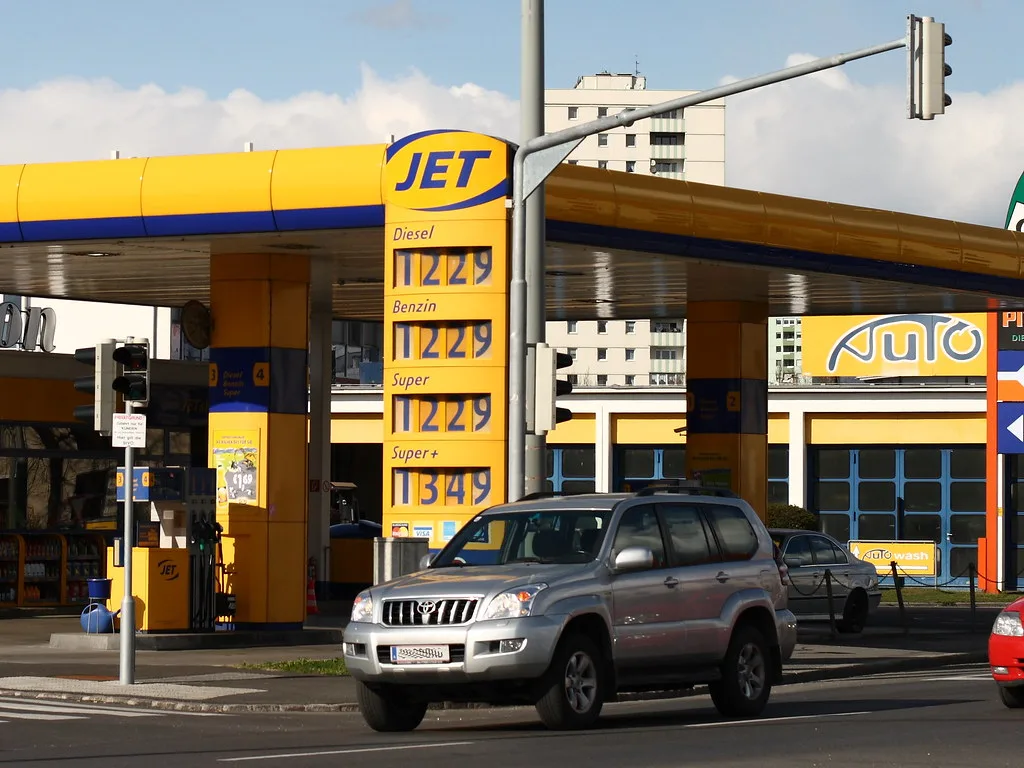
Inflation in the United States surged to its highest level in three years last month, driven primarily by a sharp escalation in gasoline prices following the outbreak of conflict involving Iran. The sudden spike in energy costs has created immediate complications for the Federal Reserve’s monetary policy and presents a significant political challenge for the Trump administration as it navigates the economic consequences of global instability.
Context of Rising Energy Costs
The U.S. economy has spent the better part of the last eighteen months attempting to cool off from post-pandemic price surges. While core inflation had shown signs of stabilizing, the volatility in global oil markets has disrupted this progress.
Energy prices remain a highly sensitive component of the Consumer Price Index (CPI). When geopolitical tensions flare in the Middle East, markets typically react with immediate price hikes due to fears of supply chain disruptions in the Strait of Hormuz and surrounding oil-producing regions.
Impact on Monetary Policy
The Federal Reserve now faces a difficult dilemma regarding interest rate adjustments. Previously, the central bank signaled a potential shift toward easing policy to support economic growth, but persistent inflation driven by supply-side shocks often necessitates a more restrictive stance.
Economists note that the Fed cannot easily influence the price of crude oil through interest rate hikes. Instead, higher rates risk suppressing consumer demand in other sectors while energy costs continue to drain household budgets, potentially leading to a period of stagflation.
Political and Economic Implications
For the Trump administration, the timing of this inflationary pressure is precarious. Rising pump prices are historically correlated with lower public approval ratings, as the cost of fuel is a high-visibility expense that impacts nearly every American consumer.
Market analysts from Goldman Sachs indicate that a sustained increase in oil prices could shave off a measurable percentage of GDP growth in the coming quarter. This creates a ripple effect, increasing the costs of transportation, logistics, and manufacturing across the supply chain.
Expert Perspectives
Market strategists suggest that the current volatility is largely tied to risk premiums rather than an actual physical shortage of oil. As long as the conflict remains localized, the market may eventually find a new equilibrium, though the transition period remains fraught with uncertainty.
Data from the Bureau of Labor Statistics confirms that energy commodities saw the largest monthly percentage increase since early 2022. This shift has forced retail and manufacturing firms to reassess their pricing strategies for the remainder of the fiscal year.
Looking Ahead
Market participants are now closely monitoring upcoming crude oil inventory reports and diplomatic developments in the Middle East to gauge the duration of the price surge. Observers expect the Federal Reserve to maintain a