








A Legal Challenge to Algorithmic Policing
A Florida man has filed a federal lawsuit against local law enforcement, alleging that a flawed facial recognition search led to his wrongful arrest and subsequent incarceration. The case, which underscores growing national anxiety regarding the reliability of AI-driven surveillance, centers on a misidentification error that resulted in the plaintiff being detained for a crime he did not commit.
According to the American Civil Liberties Union (ACLU), this incident is not an isolated occurrence. The organization has documented 15 known cases across the United States where facial recognition technology has contributed to the misidentification of suspects, leading to erroneous police interventions.
The Context of Automated Identification
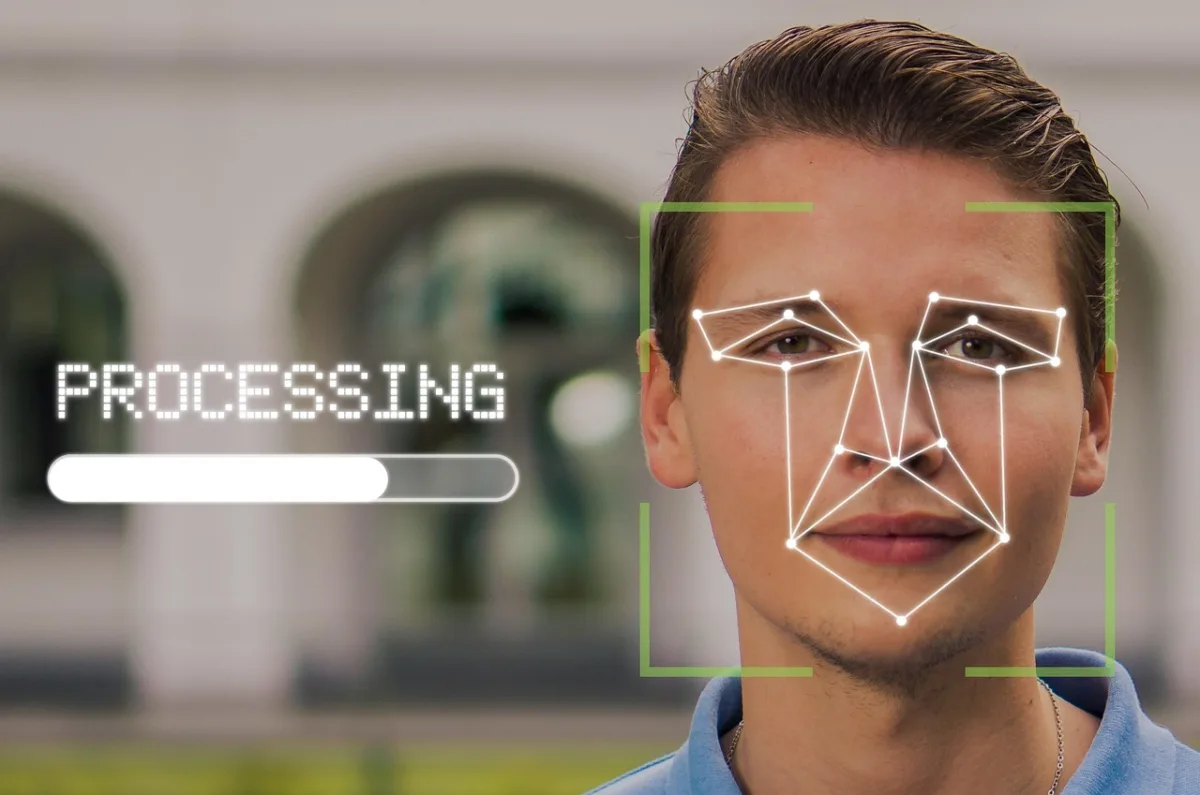
Facial recognition technology works by comparing live or recorded images against a database of millions of photos, often sourced from driver’s license registries and mugshots. Proponents argue that the software serves as a vital investigative tool, allowing officers to quickly narrow down potential leads in complex criminal investigations.
However, critics point to persistent technical flaws, particularly regarding demographic bias. Studies from the National Institute of Standards and Technology (NIST) have repeatedly demonstrated that many commercial facial recognition algorithms show higher error rates when identifying people of color, women, and younger individuals compared to white men.
Analyzing the Risks of Algorithmic Bias
The lawsuit highlights the dangers of relying on algorithmic output as the sole basis for establishing probable cause. In many jurisdictions, facial recognition is treated as an investigative lead rather than definitive evidence, yet the pressure to solve cases can lead to procedural shortcuts.
Legal experts argue that the ‘black box’ nature of these algorithms makes it difficult for defense attorneys to challenge the evidence in court. When software provides a match, officers may experience confirmation bias, interpreting the results as absolute fact while disregarding exculpatory evidence or inconsistencies in the physical description of the suspect.
Industry Impact and Legislative Response
The broader implications for the technology industry are significant. Several cities and states have already moved to ban or heavily restrict the use of facial recognition by public agencies, citing civil liberty concerns. The incident in Florida is likely to accelerate calls for federal regulation governing the deployment of biometric surveillance tools.
For the average citizen, this case serves as a stark reminder of the intersection between digital privacy and due process. As law enforcement agencies continue to adopt advanced software, the burden rests on policymakers to ensure that technical tools do not supersede constitutional protections.
Future Developments to Watch
Industry observers are now monitoring how federal courts will handle the evidentiary standards for AI-generated leads. Future litigation will likely focus on whether police departments must provide full disclosure regarding the specific software used in an investigation. As the technology evolves, the focus will shift toward the implementation of ‘human-in-the-loop’ requirements, where human oversight is mandated at every stage of the identification process to prevent further systemic failures.