
In recent years, adults across urban centers have increasingly shifted away from traditional relationship-building models, opting instead to forge connections rooted in hyper-specific hobbies and lifestyle choices. According to sociological observations, contemporary friendship circles are no longer defined solely by longevity or shared geographic background, but rather by mutual passions ranging from niche crafting to specialized fitness routines.
Historically, adult friendships relied heavily on proximity, such as school years, long-term employment, or neighborhood residency. However, shifting demographic trends and greater geographic mobility have fundamentally altered how people interact and sustain social bonds. Official data shows that modern schedules demand greater efficiency in socialization, leading individuals to seek out companions who immediately align with specific recreational pursuits.
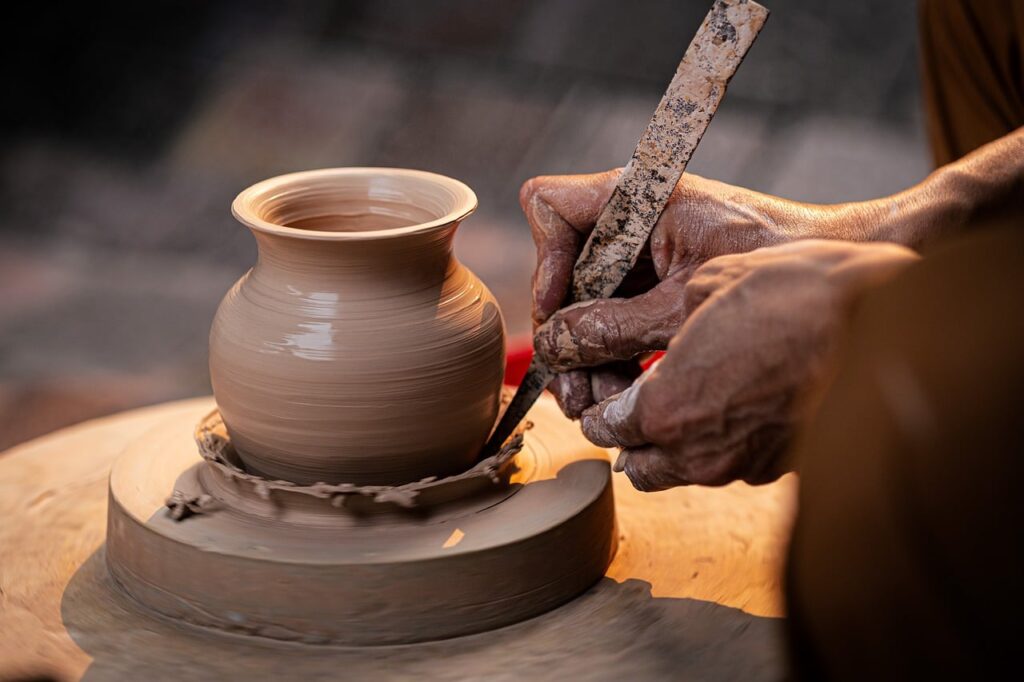
Recent lifestyle reports indicate a surge in communities organized around micro-interests, including ceramic workshops, art gallery excursions, and specialized athletic clubs. Participants in these groups often report higher immediate satisfaction because interaction begins with an established common denominator. This dynamic allows adults to bypass the preliminary stages of getting to know someone and dive directly into collaborative activities.
The shift toward interest-based bonding carries notable implications for the broader leisure economy and urban infrastructure. Local businesses, community centers, and recreational facilities are adapting by offering structured group classes designed to foster social interaction among strangers. Industry analysts note that this demand for experiential socialization has spurred growth in workshop spaces, hobby-centric cafes, and organized fitness communities.
Observers and sociologists are closely monitoring whether this trend toward compartmentalized socialization will permanently reshape long-term social support systems. Future developments will likely reveal how these activity-driven connections endure outside of specific hobby environments. Stakeholders across the hospitality and recreational sectors continue to evaluate these evolving social patterns to better serve modern consumer needs.
Disclaimer: This article is published for general news and informational purposes only. While every effort has been made to ensure accuracy, readers are advised to verify important information from official sources. The publisher shall not be responsible for any loss or inconvenience arising from reliance on the information published.