



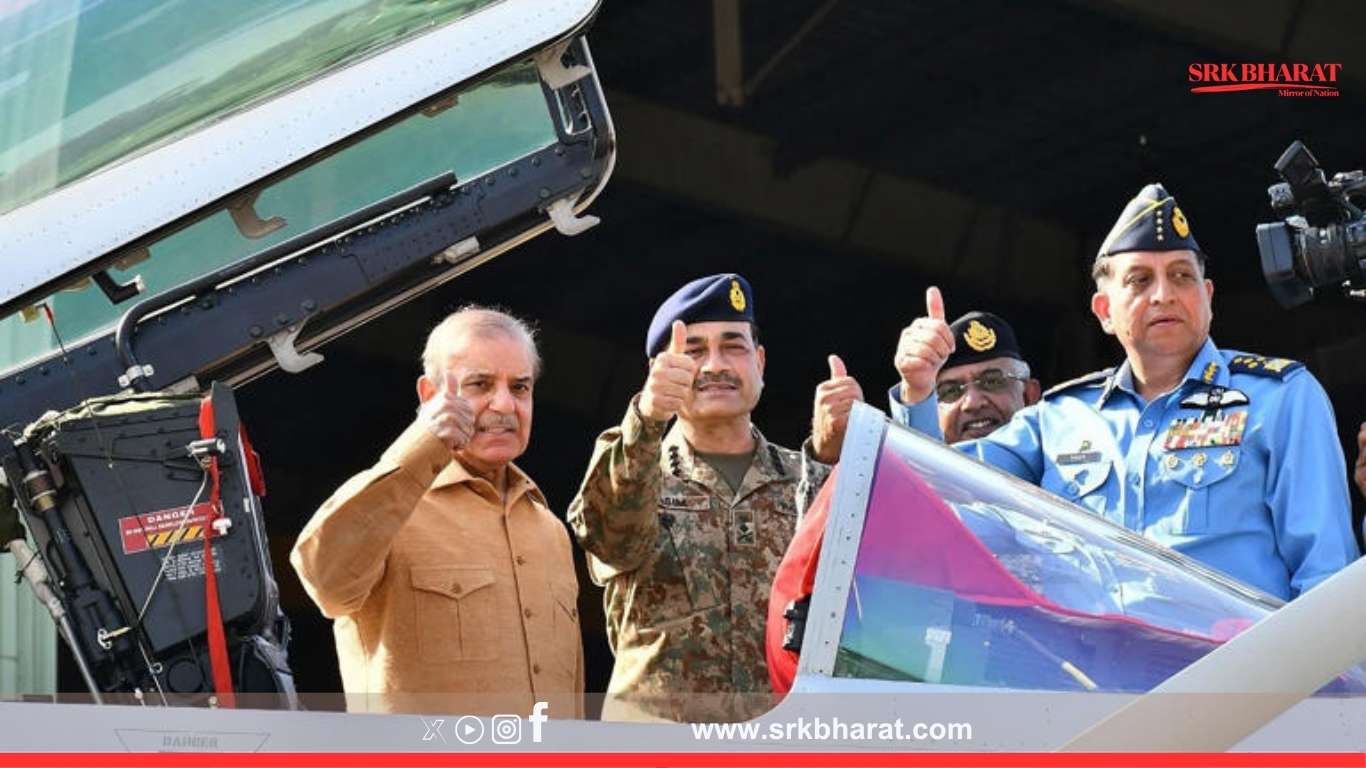
In a significant development with strategic ramifications, Pakistan’s Air Chief Marshal Zaheer Ahmed Baber Sidhu has embarked on a crucial visit to the United States days after reports emerged that Chinese-origin military equipment underperformed during the recently conducted Operation Sindoor, a major counter-terror operation near the Afghan border.
Why This Visit Is Significant
The visit, reportedly scheduled weeks ago, has gained urgency following technical failures in Chinese radar systems and drones during Operation Sindoor, raising concerns within Pakistan’s defence establishment about over-dependence on Chinese hardware.
Senior defence analysts suggest that this visit may lead to:
- Talks on potential procurement of critical US aerospace and surveillance systems.
- Upgradation of existing F-16 fighter jets, Pakistan’s most sophisticated Western-origin fleet.
- Negotiations for joint training programmes to enhance operational preparedness against emerging regional threats.
Background: Operation Sindoor
| Aspect | Details |
|---|---|
| Objective | Flush out Tehreek-e-Taliban Pakistan (TTP) terrorists from hideouts in Khyber Pakhtunkhwa and Balochistan. |
| Duration | 11 days in June 2025 |
| Forces involved | Pakistan Air Force (PAF), Special Services Group (SSG), Frontier Corps, ISI units |
| Outcome | Claimed elimination of over 45 militants, seizure of heavy arms cache. |
Chinese Equipment Failure Reported
According to defence sources in Rawalpindi and Islamabad:
- Chinese CH-4 drones faced multiple software glitches leading to aborted missions.
- Radar jamming systems underperformed, exposing ground troops to counter-attacks.
- Communication systems had compatibility issues with Pakistan’s NATO-standard frameworks used in legacy F-16 squadrons.
Implications Of The Failure
These failures reportedly prompted:
- Emergency internal reviews by the Pakistan Air Force engineering wing.
- Questions over PAF’s long-term plans to deepen Chinese procurement under the current strategic partnership framework.
- Pressure from senior operational commanders to diversify defence acquisitions to avoid technological blackmail by any single supplier.
Key Agendas Of The US Visit
| Agenda Item | Expected Discussions |
|---|---|
| F-16 Upgradation | Procurement of advanced avionics, targeting pods, and EW suites. |
| Surveillance Systems | Possible MQ-9 Reaper drone sales or leasing framework under strict end-use clauses. |
| Training | Joint exercises with US CENTCOM for counter-insurgency and high-altitude operations. |
| Defence Diplomacy | Confidence-building to balance Pakistan’s growing reliance on Chinese military-industrial complex. |
US Stance On The Visit
State Department officials, when asked, described it as a “routine high-level defence exchange” while analysts note the US may leverage the visit to:
- Nudge Pakistan to cut back on strategic defence ties with China.
- Seek assurances on nuclear proliferation and counter-terror financing measures.
- Offer limited military support contingent on non-transfer of US-origin technologies to China.
Expert Views
| Expert | Observation |
|---|---|
| Michael Kugelman (Wilson Center) | “Pakistan’s growing dependence on Chinese hardware has been strategic but has technical pitfalls. This visit could be an attempt to recalibrate with Washington.” |
| Ayesha Siddiqa (Pak defence analyst) | “The Chinese drone failures are an embarrassment. Operational reliability is crucial, and US systems offer proven combat records.” |
| Lt Gen (Retd) DS Hooda | “India will watch this closely. While US-Pakistan ties remain transactional, any new defence sale impacts South Asia’s strategic balance.” |
Strategic Context: Pakistan Between US And China
Pakistan’s defence doctrine has increasingly leaned towards Chinese equipment over the last decade:
- JF-17 Thunder programme: Co-developed with China to replace aging Mirage III/V fleets.
- HQ-9 air defence systems: Inducted for long-range interception.
- Wing Loong and CH-4 drones: Used for surveillance and limited strike roles in FATA and Balochistan.
However, compatibility and operational performance issues continue to limit full-spectrum integration with US-origin assets like the F-16s.
Impact On Regional Security
India, monitoring developments closely, views the visit as:
- An opportunity for Pakistan to seek Western technology upgrades despite its strong Chinese tilt.
- A potential threat if Pakistan acquires advanced drone or surveillance systems that enhance cross-border monitoring.
- A diplomatic window to emphasise Pakistan’s dual strategy of seeking Western aid while retaining Chinese patronage.
The China Factor
Defence experts note China may not take this visit lightly as it:
- Highlights cracks in the “iron brother” narrative, particularly in critical operational reliability.
- Raises questions on Chinese drone export quality, which faces similar criticism from Middle Eastern clients.
- May prompt Beijing to offer accelerated upgrades or discounted maintenance contracts to retain Islamabad’s trust.
What Lies Ahead
Operation Sindoor has laid bare the technological gaps in Pakistan’s counter-terror capabilities, especially as TTP and IS-K continue to threaten its north-western provinces. The Air Chief’s US visit under these circumstances may:
- Lead to limited but crucial acquisitions, especially if China fails to address technical shortcomings swiftly.
- Trigger a reshuffle in Pakistan’s defence procurement strategy to maintain a balance between Chinese cost advantage and US technology superiority.
- Reinforce the Biden administration’s focus on using defence diplomacy to check China’s inroads in South Asia.
Conclusion
Pakistan Air Chief Marshal Zaheer Ahmed Baber Sidhu’s visit to the US amidst Chinese equipment failures during Operation Sindoor marks a pivotal moment in Islamabad’s defence trajectory. As Pakistan navigates its strategic balancing act between Beijing and Washington, the outcomes of this visit could shape the operational and geopolitical architecture of South Asia in the coming decade.
Disclaimer: This article is based on open-source intelligence, defence analysis, and public statements. It does not infer classified operational details or unauthorised strategic disclosures.