



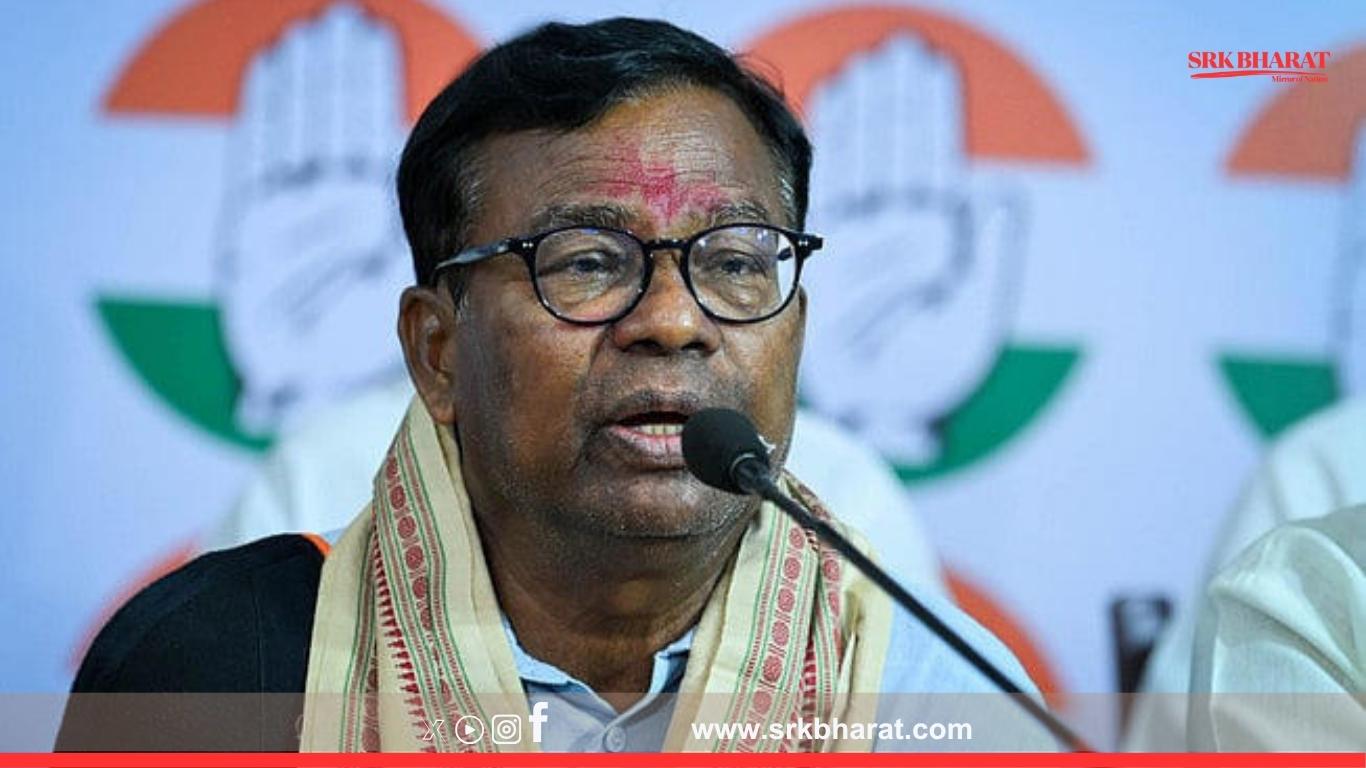
In a significant political development that has triggered ripples within the Odisha Congress, Bhakta Charan Das, Working President of Odisha Pradesh Congress Committee (OPCC), has faced a setback after the All India Congress Committee (AICC) rejected his recommendations for interim district presidents across multiple organisational districts in the state.
The decision, confirmed late Sunday evening, comes at a time when the Congress is attempting to revive its organisational structure in Odisha ahead of the upcoming urban local body elections and 2029 Lok Sabha polls, with internal factionalism threatening its stability in the coastal state.
AICC decision overrides state recommendation
Highly placed sources revealed that Bhakta Charan Das had proposed names of close confidants and loyalists for interim district presidents in at least 15 districts, seeking to restructure the party’s grassroots machinery under his leadership vision. However, the AICC General Secretary (Organisation) K C Venugopal rejected the list during the screening process.
A senior AICC official stated:
“The screening committee found the recommendations inadequate for ensuring inclusive organisational revival. There were concerns of factional bias. A fresh consultative process involving all state leaders has been initiated.”
Internal factional conflict intensifies
This move has intensified factional tensions within Odisha Congress, as many leaders aligned with OPCC president Sarat Pattanayak reportedly felt side-lined by Das’ proposed list. The rift between the Das camp and Pattanayak camp has been widening since the poor Lok Sabha and Assembly performance in 2024, where the party secured merely one Lok Sabha seat and nine Assembly constituencies out of 147.
Rejected recommendations: key districts affected
| District | Proposed Interim Chief (Bhakta camp) | Status after AICC decision |
|---|---|---|
| Kalahandi | Ravi Das | Rejected |
| Balangir | Sunil Meher | Rejected |
| Sambalpur | Ajit Patnaik | Rejected |
| Mayurbhanj | Debabrata Mohanty | Rejected |
| Ganjam | Satyabrata Sahu | Rejected |
| Cuttack | Rashmi Ranjan Rout | Rejected |
Party insiders note that the AICC intervention is aimed at preventing organisational monopolisation by a single leader or faction, ensuring that appointments are based on grassroots consensus and performance rather than loyalty alone.
Bhakta Charan Das reacts cautiously
While refraining from direct criticism of the high command, Bhakta Charan Das said:
“I have always worked in the party’s interest. If the AICC feels a wider consultative approach is better, I will fully cooperate. Our priority remains to strengthen Congress in Odisha.”
However, his close aides expressed disappointment, saying the rejection undermines Das’ credibility among his supporters in western Odisha, where he has been the party’s principal tribal face for over two decades.
Sarat Pattanayak camp sees opportunity
OPCC President Sarat Pattanayak, who has often clashed with Das over organisational decisions, is likely to leverage this rejection to assert his leadership authority ahead of the proposed state executive reorganisation next month.
A senior leader from Pattanayak camp remarked:
“The AICC decision reinforces that appointments must reflect consensus and regional balance, not one leader’s agenda.”
Odisha Congress at crossroads
Political observers see this as symptomatic of Congress’ deeper organisational malaise in Odisha, where it has struggled to revive since its decimation by BJD under Naveen Patnaik and the recent BJP surge. Factionalism, lack of grassroots mobilisation, and absence of a coherent leadership projection remain the primary challenges.
Professor Chittaranjan Mohanty, a political analyst from Utkal University, observed:
“Rejecting Das’ recommendations is the AICC’s way of signalling centralised control over state restructuring. It wants a balanced leadership that appeals to tribals, OBCs, and urban voters alike. But if mishandled, it could alienate Das’ loyal tribal base in western Odisha.”
AICC’s alternative plan
Sources suggest the AICC is planning to:
- Form a 5-member consultative panel in each district to recommend interim presidents.
- Ensure representation of Scheduled Tribes, Scheduled Castes, OBCs, minorities, and women in all district committees.
- Delay official announcements until after the upcoming coordination meeting between the OPCC and AICC secretaries in New Delhi.
Reactions within party cadres
Grassroots reactions remain mixed:
- “High command is right. Only inclusive appointments can revive the party.”
- “Das worked hard to build the organisation in tribal areas. Ignoring his choices will demoralise his supporters.”
- “Odisha Congress needs united leadership, not camp politics.”
What this means for Congress revival
The immediate impact is a temporary halt in grassroots organisational rebuilding, risking delays in booth committee formations and outreach plans for the upcoming municipal polls. However, if AICC’s consultative process yields inclusive appointments, it could:
- Unite fragmented local leaderships
- Balance regional representation between coastal and western Odisha
- Build credibility ahead of the 2029 Lok Sabha elections
Failure to manage factional fallout, however, risks internal sabotage, weakening the Congress against both BJD’s entrenched machinery and BJP’s aggressive expansion drive under Union Minister Dharmendra Pradhan.
Final thoughts
The AICC’s rejection of Bhakta Charan Das’ interim district president recommendations marks a critical juncture in Odisha Congress’ organisational trajectory. While intended to promote inclusivity and curb factional monopolisation, it risks alienating a significant tribal leader at a time when Congress desperately needs mass connect and regional leaders with grassroots credibility.
As Odisha Congress braces for a leadership reshuffle and strategy overhaul, its revival hinges on whether the state leadership under Sarat Pattanayak and Bhakta Charan Das can bury their differences to build a cohesive team – or remain prisoners of internal rivalries, paving an easier road for BJD and BJP dominance in the years to come.
Disclaimer: This news article is for informational purposes only. It includes political statements, public data, and expert analyses based on field reports. Final organisational decisions remain subject to official announcements by AICC and OPCC leadership.