






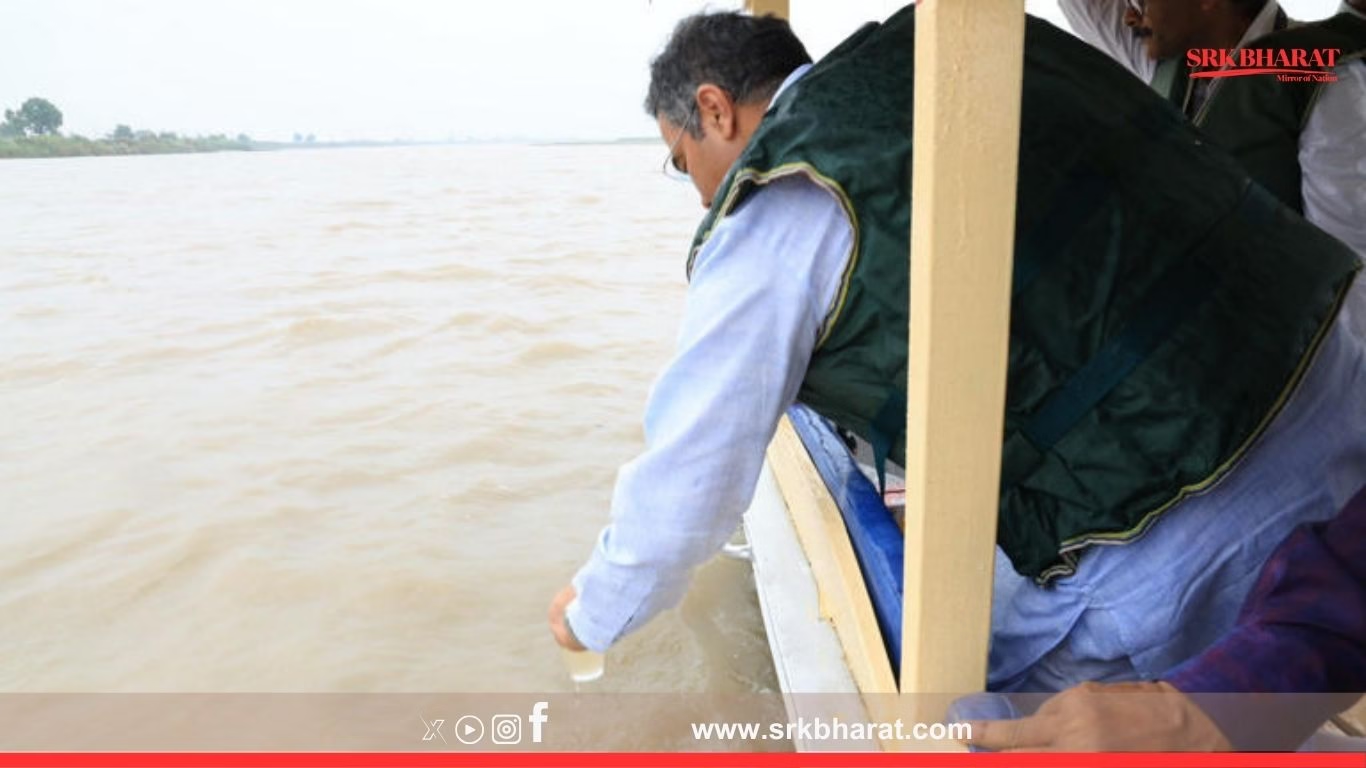
In a significant move aimed at addressing water pollution and improving the quality of life for Delhiites, Delhi Minister Parvesh Verma on Thursday conducted an inspection of the Yamuna river. The minister undertook the inspection on a boat and collected water samples from various points of the river for testing, reiterating the state government’s commitment to clean the river and protect public health.
Key Highlights Of The Inspection
- Who: Delhi Minister Parvesh Verma
- Where: Yamuna river, Delhi stretch
- When: Thursday morning
- Purpose: Inspection of river pollution and collection of water samples for lab testing
Details Of The Inspection
Parvesh Verma, accompanied by officials of the Delhi Pollution Control Committee (DPCC) and senior department engineers, boarded a mechanised boat at the Old Yamuna Bridge ghat. During the inspection, Verma directed officials to prioritise actionable solutions to reduce pollutants entering the river, especially from drains and unauthorised effluent discharge points.
“The Yamuna is not just a river, it is Delhi’s lifeline. Today, I collected water samples from multiple points to ascertain pollution levels and sources. Immediate action will follow based on lab results,” said Verma, addressing reporters after his inspection.
Focus Areas Of The Visit
- Identification of untreated sewage discharge points
- Checking visible pollution, foam levels, and solid waste deposits
- Assessing progress of existing cleaning projects under Yamuna Action Plan III
- Interacting with local communities and boatmen for inputs
Why Is Yamuna Pollution A Serious Concern?
The Yamuna river, often called Delhi’s lifeline, provides approximately 70% of the capital’s water supply. However, a 22-km stretch between Wazirabad and Okhla is critically polluted due to:
- Discharge of untreated domestic sewage
- Industrial effluents from upstream cities
- Dumping of solid waste and religious offerings
- Low freshwater flow, especially during non-monsoon months
Recent Reports On Pollution Levels
| Parameter | Reported Levels (2024) | Permissible Levels (CPCB) |
|---|---|---|
| Biological Oxygen Demand (BOD) | 40-60 mg/L | <3 mg/L |
| Dissolved Oxygen (DO) | 0-1 mg/L | >5 mg/L |
| Fecal Coliform | 100,000 MPN/100 ml | <500 MPN/100 ml |
These alarming figures indicate that the Yamuna in Delhi remains unfit for bathing and aquatic life despite multiple clean-up schemes.
Government Action Plans For Yamuna
1. Yamuna Action Plan III
Under this central-state partnership, Delhi is implementing several projects, including:
- Construction of new sewage treatment plants (STPs)
- Upgradation of existing STPs to meet BIS water quality standards
- Interception and diversion of drains carrying untreated sewage
2. Desilting and Surface Cleaning Drives
The Delhi Jal Board (DJB) has intensified desilting operations to remove sludge accumulation that reduces flow and increases pollutant concentration.
3. Awareness And Regulation
Campaigns are underway to educate people against:
- Dumping of religious materials
- Disposing plastic waste in the river
- Connecting sewage lines illegally to stormwater drains
Public Reaction To Minister’s Inspection
Residents and environmental activists welcomed Verma’s proactive approach.
- Rakesh Singh, a boatman at Old Yamuna Bridge: “For the first time in months, a minister came to our area and checked the water himself. We hope this leads to actual cleaning.”
- Swati Sharma, environmentalist: “Inspections are important, but consistent action is needed. The river is dying and poses severe health risks to thousands who depend on it.”
Political Reactions
Opposition parties termed it as a “photo-op with no follow-up”, urging the government to accelerate STP projects that remain delayed due to land and tendering issues. Verma responded that the inspection was to push accountability among departments and contractors, ensuring that targets under Yamuna clean-up missions are met within timelines.
Why Water Sample Testing Matters
The samples collected by Minister Verma will be analysed for:
- pH levels
- Dissolved oxygen and BOD
- Heavy metals such as lead, arsenic, mercury
- Fecal coliform and pathogen count
These tests will help determine:
- Effectiveness of ongoing treatment plants
- Presence of illegal discharge points
- Safety standards for agricultural use downstream of Delhi
Future Plans To Clean Yamuna
1. 100% Sewage Treatment
The Delhi government aims to ensure zero untreated discharge by connecting unsewered colonies and expanding STP capacity to over 950 MLD by 2026.
2. Riverfront Development
Inspired by Sabarmati, plans are underway to create clean recreational riverfronts, subject to environmental clearances.
3. Freshwater Flow Increase
Discussions with Haryana and Uttar Pradesh are ongoing to release freshwater to improve river dilution capacity during critical months.
Environmental Experts’ Suggestions
Experts urge a basin-wide integrated approach, including:
- Catchment area treatment upstream
- Real-time effluent monitoring with penalties for violations
- Nature-based solutions such as wetlands and bio-remediation
- Behavioural campaigns targeting household waste disposal
Conclusion
Minister Parvesh Verma’s inspection of the Yamuna river marks a strong message from the Delhi government towards addressing urban water pollution. However, experts emphasise that while inspections and sample collections are important, consistent, scientific, and transparent implementation of treatment projects is crucial for restoring the river to its pristine state.
The coming months will reveal whether the testing results translate into actionable and impactful steps to clean Delhi’s most important river and restore faith among citizens.
Disclaimer: This article is for general informational purposes only. Pollution data and statements are based on official releases and public inputs. Readers are advised to consult government notifications and pollution control board reports for technical updates and policy announcements.

блог про seo блог про seo .