




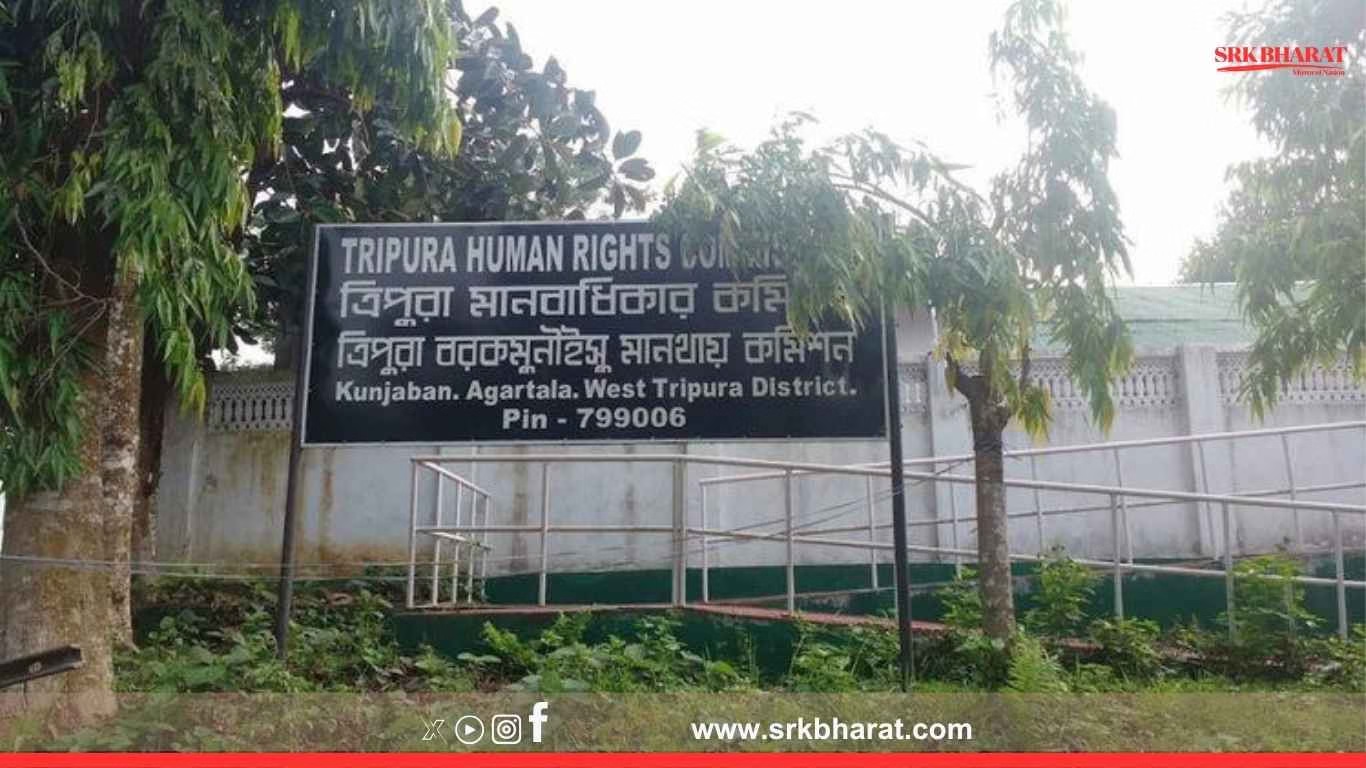
In a significant move highlighting growing civic discontent, the Tripura Human Rights Commission (THRC) has issued a formal notice to the Agartala Municipal Corporation and state government officials regarding the ongoing drainage construction crisis in several areas of the city. The Commission has taken suo motu cognizance of multiple complaints and media reports flagging the disruption, health risks, and prolonged inconvenience faced by residents due to unscientific and delayed drain construction activities.
The step comes after widespread public outcry over the haphazard execution of the stormwater drainage project across Agartala, especially in densely populated neighbourhoods like Banamalipur, Krishnanagar, Indranagar, and parts of the GB Hospital area.
Drainage Project Meant to Solve, Not Deepen, Civic Problems
The drainage infrastructure development was originally conceptualized to tackle waterlogging, which has become an annual menace in Agartala during the monsoon. The project—under Smart City Mission and Urban Development initiatives—intended to build a modern underground drainage system to replace the decades-old surface drains.
However, locals allege that instead of easing problems, the ongoing construction has led to:
- Open drain pits posing serious safety hazards
- Blocked pedestrian paths and roads, forcing school children and elderly to wade through muck
- Air and noise pollution due to unregulated use of construction machinery
- Water contamination, leading to health concerns like dengue and stomach infections
- Delays beyond deadlines without updates or grievance redressal mechanisms
Timeline of Events
| Date | Event |
|---|---|
| March 2024 | Launch of Phase 1 of Agartala Drainage Project by Urban Development Dept |
| June 2024 | Complaints begin pouring in over open pits and stalled construction |
| July 2024 | Local councillors raise issue in AMC meetings |
| August 1, 2025 | Residents of Banamalipur stage symbolic protest |
| August 4, 2025 | THRC takes suo motu cognizance and issues notice |
Public Complaints Reach Commission: Human Rights at Stake
In its notice, the THRC has asked the relevant departments to submit a status report within 15 days explaining:
- The total funds allocated and utilized so far under the drainage project
- The reason for delays and incomplete construction
- Safety measures undertaken for citizens during ongoing work
- Grievance redressal frameworks in place for affected residents
- Health risks associated with water stagnation and poor drainage
The Commission stressed that access to basic civic amenities, clean surroundings, and safety are fundamental human rights, and any neglect or mismanagement amounting to “structural violence” warrants scrutiny and rectification.
Affected Zones and Complaints Breakdown
Residents from across Agartala have flagged recurring issues in various wards. Below is a summary of the complaints registered with local councillors and citizen forums:
| Ward/Area | Complaint Type | Reported Incidents |
|---|---|---|
| Banamalipur | Open pits, injury risk, stagnant water | 112 |
| Krishnanagar | Noise pollution, blocked roads | 87 |
| Indranagar | Contaminated drinking water | 54 |
| GB Hospital Vicinity | Inaccessible roads for ambulances | 33 |
| Ramnagar | Traffic jams due to diverted routes | 68 |
Voices from the Ground
Ratan Debnath, a retired government employee from Indranagar, shared:
“The drain outside our house has been dug up for four months. My grandchildren can’t walk safely, and mosquitoes have turned the area into a breeding ground. Nobody tells us when this will end.”
Chumki Das, a homemaker near GB Hospital, said:
“Emergency services are often blocked. Last week, an ambulance got stuck due to the construction debris. It’s shameful that a hospital zone is treated so carelessly.”
Officials Respond Cautiously
Agartala Municipal Corporation (AMC) officials have acknowledged the delay but defended the work as “critical for long-term infrastructure sustainability.” A senior AMC engineer, on the condition of anonymity, explained:
“Several interruptions occurred due to unseasonal rains, contractor shifts, and underground utility diversions. We’re trying to expedite work while ensuring safety.”
Meanwhile, Urban Development Minister Manoj Debbarma has stated that a comprehensive review meeting has been called next week to reassess timelines and initiate third-party monitoring for compliance.
Human Rights Commission’s Growing Role in Civic Oversight
This is not the first instance of the Tripura Human Rights Commission intervening in urban governance matters. Over the past year, it has also sought responses from authorities over issues like hospital hygiene, eviction drives without rehabilitation, and police handling of public protests.
Legal experts believe that civic lapses like these fall well within the Commission’s ambit when they impact the dignity and safety of common citizens.
Legal and Constitutional Dimensions
The rights to life, health, and dignity, as outlined in Article 21 of the Indian Constitution, encompass the right to live in a clean and safe environment. Any negligence by civic bodies that leads to injury, disease, or trauma can be challenged under the framework of constitutional tort.
Citizens’ groups in Tripura are now contemplating filing Public Interest Litigations (PILs) if the issues remain unaddressed after the Commission’s deadline.
Recommendations from Urban Experts
Urban planners and engineers suggest a three-point approach to mitigate the crisis:
- Real-time Public Dashboard: AMC should publish area-wise construction timelines, progress updates, and grievance redressal data online.
- Dedicated Helpline and Compensation Mechanism: Affected families should receive temporary relief or damage compensation in genuine cases.
- Third-Party Construction Audits: Independent bodies must be involved to ensure transparent fund usage and timely project execution.
What’s Next?
With the THRC notice now pushing authorities to act, it is expected that the civic agencies will expedite the drainage project and prioritize public safety and communication. The 15-day response window ends by August 20, and the Commission may summon top officials if responses are unsatisfactory or evasive.
For now, residents of Agartala wait cautiously, hoping that their daily struggles under broken roads and open drains finally find resolution in a system that recognizes their right to dignity and safety.
Disclaimer:
This news article is based on public information, official statements, and citizen accounts. It is intended solely for informational purposes and does not constitute legal or governmental advice. Readers are advised to consult civic authorities or legal experts for clarity on individual grievances or rights under human rights frameworks.