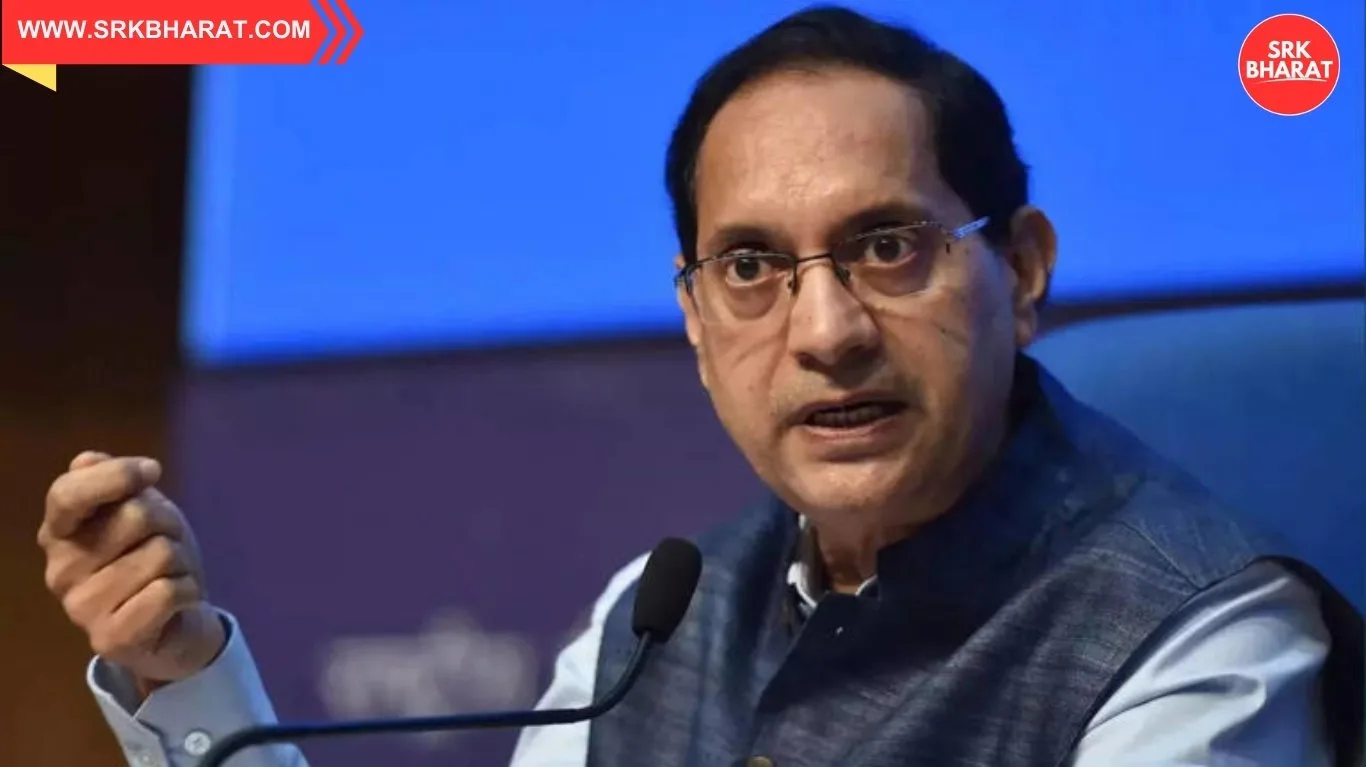





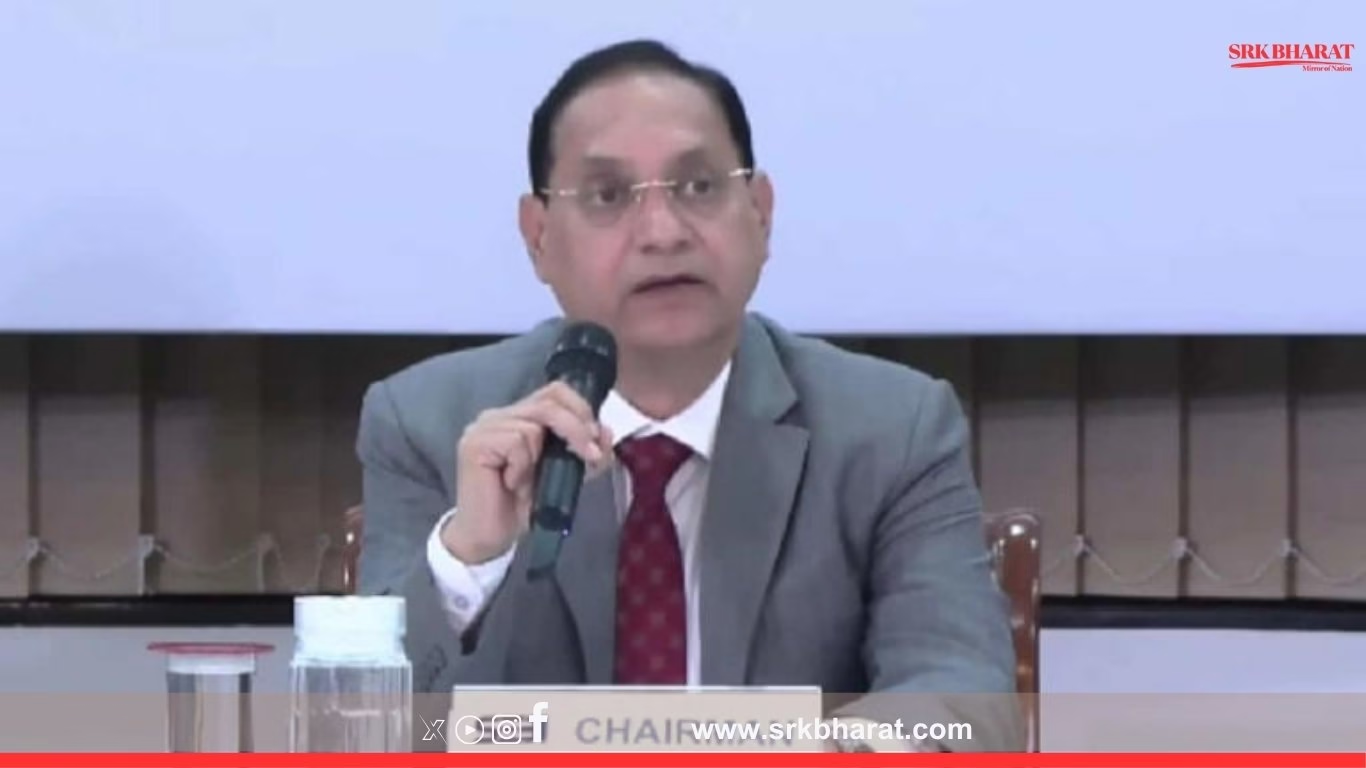
In a move that could reshape India’s derivatives market, Securities and Exchange Board of India (SEBI) Chairman Tuhin Kanta Pandey has announced plans to increase the tenure and maturity of equity derivative contracts. Speaking at a FICCI event in Mumbai on August 21, 2025, Pandey emphasized the need to align India’s derivatives framework with global standards and investor expectations. He confirmed that SEBI will soon release a consultation paper to gather stakeholder feedback on the proposed changes.
The announcement triggered immediate market reactions, with shares of BSE and Angel One falling nearly 5% amid speculation over regulatory tightening and structural shifts in the derivatives segment.
🧠 Why SEBI Wants to Extend Derivative Tenure
Pandey highlighted that the current structure of equity derivatives in India—typically limited to one-month, two-month, and three-month contracts—restricts long-term hedging and strategic positioning. He argued that longer-tenure contracts would offer institutional investors, portfolio managers, and retail traders greater flexibility and risk management capabilities.
“There is a need to increase the tenure of equity derivatives. A consultation paper will be initiated soon,” Pandey said during the event.
| Current Tenure Options | Proposed Expansion Scope | Strategic Benefit |
|---|---|---|
| 1-month, 2-month, 3-month | Up to 6-month or 12-month | Long-term hedging, better alignment with global markets |
SEBI’s move is also seen as a response to the surge in retail participation and the growing complexity of trading strategies that require longer time horizons.
📊 Market Snapshot: Derivatives in India
India’s equity derivatives market is one of the largest globally in terms of volume, driven by retail enthusiasm and algorithmic trading. However, critics argue that the short tenure of contracts encourages speculative behavior and limits institutional participation.
| Metric | Value (FY25) | Global Comparison |
|---|---|---|
| Daily Derivatives Turnover | ₹12.8 lakh crore | Among top 3 globally |
| Retail Participation Share | 38% | Higher than global average |
| Average Contract Tenure | 1–3 months | Shorter than US, EU |
| Institutional Participation | 22% | Lower than developed markets |
SEBI’s proposed reforms aim to deepen the market, reduce churn, and promote stability.
🔍 Key Elements of the Upcoming Consultation Paper
While the full details of the consultation paper are awaited, sources suggest it will cover:
- Extension of contract maturity to 6 or 12 months
- Revision of lot sizes to curb excessive speculation
- Limiting the number of simultaneous expiries
- Enhancing margin requirements for longer-tenure contracts
- Risk management protocols for brokers and exchanges
| Proposed Reform Area | Expected Impact |
|---|---|
| Longer Contract Tenure | Enables strategic hedging, attracts FIIs |
| Larger Lot Sizes | Reduces speculative retail trades |
| Expiry Limitations | Streamlines contract management |
| Margin Adjustments | Ensures risk coverage for longer positions |
| Broker Risk Protocols | Strengthens compliance and oversight |
SEBI will invite public comments and industry feedback before finalizing the framework.
📉 Immediate Market Reaction
The announcement led to a sharp decline in shares of BSE and Angel One, both of which are heavily exposed to derivatives trading volumes. Analysts believe the market is pricing in potential regulatory tightening and reduced speculative turnover.
| Stock Name | Price Before Announcement | Price After Announcement | % Change |
|---|---|---|---|
| BSE Ltd | ₹2,150 | ₹2,042 | –5.02% |
| Angel One | ₹1,890 | ₹1,796 | –4.97% |
Brokerages have advised caution in the short term but remain optimistic about long-term benefits from a more robust derivatives ecosystem.
🧠 Industry Reactions and Expert Commentary
Market participants have welcomed SEBI’s intent but urged careful implementation to avoid disruption. NSE and BSE officials have expressed readiness to support the transition, while brokers and fund managers have called for clarity on margin rules and contract design.
Ravi Varanasi, a derivatives strategist, said:
“Longer-tenure contracts are overdue. They will bring India closer to global standards and help institutional investors manage risk better.”
However, retail investor groups have voiced concerns about increased lot sizes and margin requirements, which could reduce accessibility.
🌍 Global Benchmarking: How India Compares
Globally, equity derivatives contracts often span up to 12 months, with exchanges like CME, Eurex, and SGX offering extended maturities. India’s shorter contract cycles have been criticized for encouraging high-frequency trading and speculative churn.
| Exchange | Max Contract Tenure | Margin Framework | Retail Access |
|---|---|---|---|
| NSE (India) | 3 months | SPAN + Exposure Margin | High |
| CME (USA) | 12 months | Risk-based margining | Moderate |
| Eurex (Europe) | 12 months | Portfolio margining | Low |
| SGX (Singapore) | 6–12 months | Tiered margin system | Moderate |
SEBI’s reform could position India as a more mature derivatives market and attract foreign institutional investors.
📌 Conclusion
SEBI’s push to increase the tenure of equity derivatives marks a pivotal moment for India’s financial markets. With a consultation paper on the horizon, stakeholders are preparing for a shift toward longer-term contracts, enhanced risk protocols, and deeper institutional participation.
While short-term volatility may persist, the long-term outlook is promising. A more balanced, globally aligned derivatives framework could unlock new opportunities for investors, strengthen market resilience, and reinforce India’s position as a leading financial hub.
—
Disclaimer: This article is based on publicly available regulatory statements and market data as of August 21, 2025. It is intended for informational purposes only and does not constitute financial or investment advice.