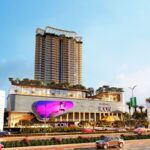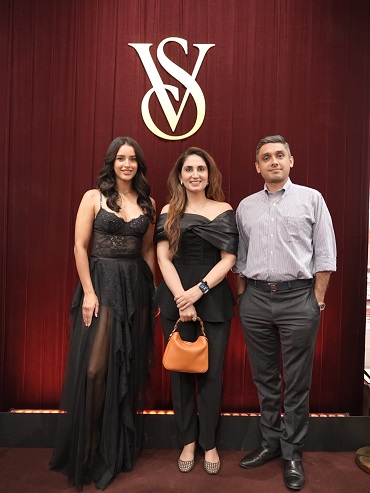

Ambience Mall, Vasant Kunj, hosted an evening celebrating fashion and luxury as Victoria’s Secret unveiled its latest Very Sexy Collection through an exclusive ‘Rome After Dark’ experience. Inspired by the romance and mystique of Rome, the evening brought the collection’s distinctive aesthetic to life at the Victoria’s Secret store.
 |
Ambience Mall Vasant Kunj Hosts Victoria’s Secret’s ‘Rome After Dark’ Launch with Triptii Dimri
Actor Triptii Dimri joined the evening as the special guest, adding a strong fashion and entertainment dimension to the launch.
Speaking on the occasion, Arjun Gehlot, Director, Ambience Group, said, “The strength of a luxury retail destination lies not only in the brands it houses, but in the quality of the experiences it creates around them. At Ambience Malls, we have consistently focused on bringing the world’s leading luxury and premium brands together with experiences that resonate with an evolving, fashion-conscious consumer. Victoria’s Secret’s latest collection is a strong example of this approach, combining global fashion, distinctive storytelling and experiential retail. The ‘Rome After Dark’ launch at Ambience Mall, Vasant Kunj, reflects our continued commitment to setting a high benchmark for luxury retail in the country.”
Shahista Gehlot, Director, Ambience Group, said, “Luxury today is about being distinctive, relevant and ahead of the curve. The ‘Rome After Dark’ experience brings together fashion, trend and a strong sense of occasion, making it a fitting expression of the evolving luxury retail experience at Ambience Mall.”
The Very Sexy Collection is presented through the ‘Rome After Dark’ narrative, drawing on the city’s timeless romance and after-dark allure. The experience at Ambience Mall brought together Victoria’s Secret’s signature fashion language with the atmosphere of the collection, creating a setting centred around discovery, engagement and the brand’s identity.
The launch also reflects Ambience Mall’s continued focus on premium and luxury retail, bringing together leading international and Indian brands across fashion, beauty, lifestyle and dining under one destination. Over the years, the mall has also welcomed several prominent celebrities, including Sonam Kapoor and Janhvi Kapoor, for launches and engagements with leading brands, further reinforcing its position as a destination at the intersection of fashion, luxury, culture and entertainment.
With Victoria’s Secret’s latest collection taking centre stage and Triptii Dimri adding a celebrity dimension to the evening, the launch highlighted the evolving role of premium retail destinations in creating experiences that extend beyond conventional shopping.