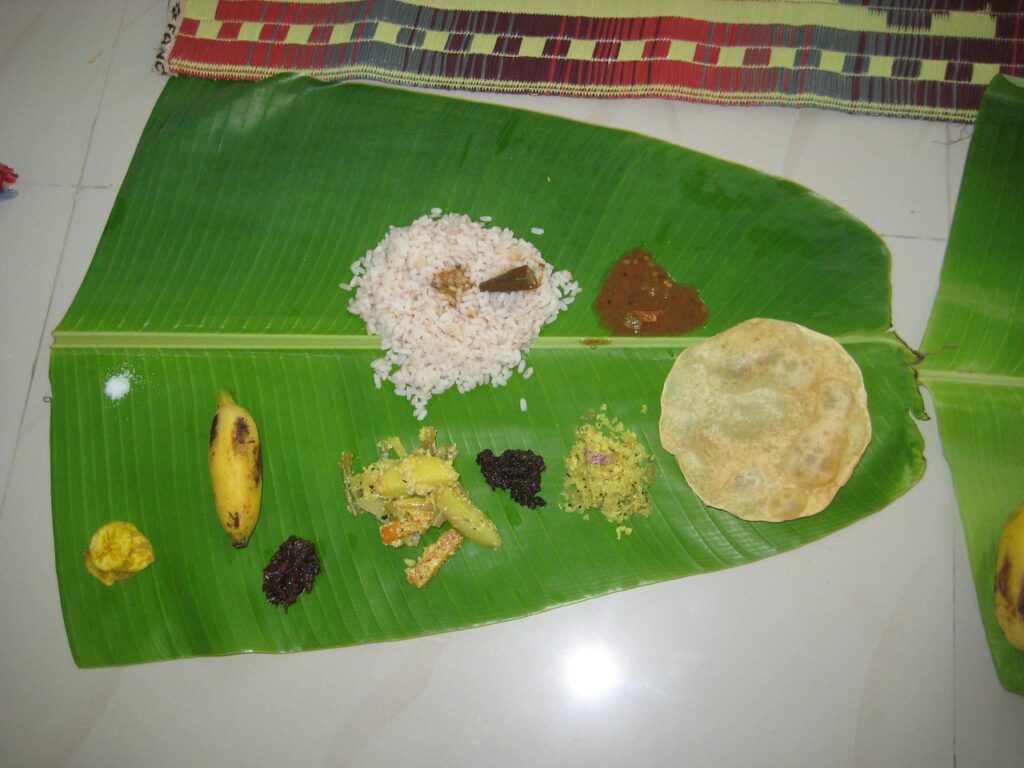

As the vibrant harvest festival of Onam approaches, culinary enthusiasts across Bengaluru are actively searching for authentic and traditional feast experiences. Renowned for its rich cultural diversity, the Karnataka capital is preparing to host grand celebrations featuring the customary multi-course vegetarian meal known as sadya. Food experts and local guides have recently curated a selective list of top dining destinations to help residents and visitors navigate the festive offerings this season.
Onam holds immense cultural significance for the Malayali community, commemorating the mythical reign of King Mahabali and celebrating agricultural abundance. Central to these festivities is the sadya, a ceremonial banquet traditionally served on a fresh banana leaf comprising dozens of distinct vegetarian dishes. Official cultural calendars indicate that the main festivities peak in September, prompting local restaurants to ramp up their preparation weeks in advance.
According to reports from the local hospitality sector, numerous establishments across Bengaluru have finalized their festive menus and opened advance bookings for the celebratory weekend. Five standout dining venues have emerged as favorites among critics and patrons for their commitment to authenticity and flavor profile. These selected kitchens source specialized ingredients directly from Kerala to ensure the payasam, avial, and matta rice meet traditional culinary standards.
The surge in demand for authentic Onam sadyas provides a notable boost to the regional food and beverage economy, particularly for independent eateries and specialty caterers. Industry analysts note that experiential dining during cultural festivals drives substantial foot traffic and elevates brand visibility for participating restaurants. Furthermore, this culinary tradition fosters cross-cultural appreciation among Bengaluru’s diverse cosmopolitan population.
Observers and food enthusiasts should monitor reservation timelines closely, as popular venues typically sell out days before the primary celebration. Industry stakeholders recommend confirming bookings early and checking for home-delivery options if dining out is not feasible. Future updates from local food networks will likely highlight additional pop-up events and community gatherings celebrating the harvest season.
Disclaimer: This article is published for general news and informational purposes only. While every effort has been made to ensure accuracy, readers are advised to verify important information from official sources. The publisher shall not be responsible for any loss or inconvenience arising from reliance on the information published.