

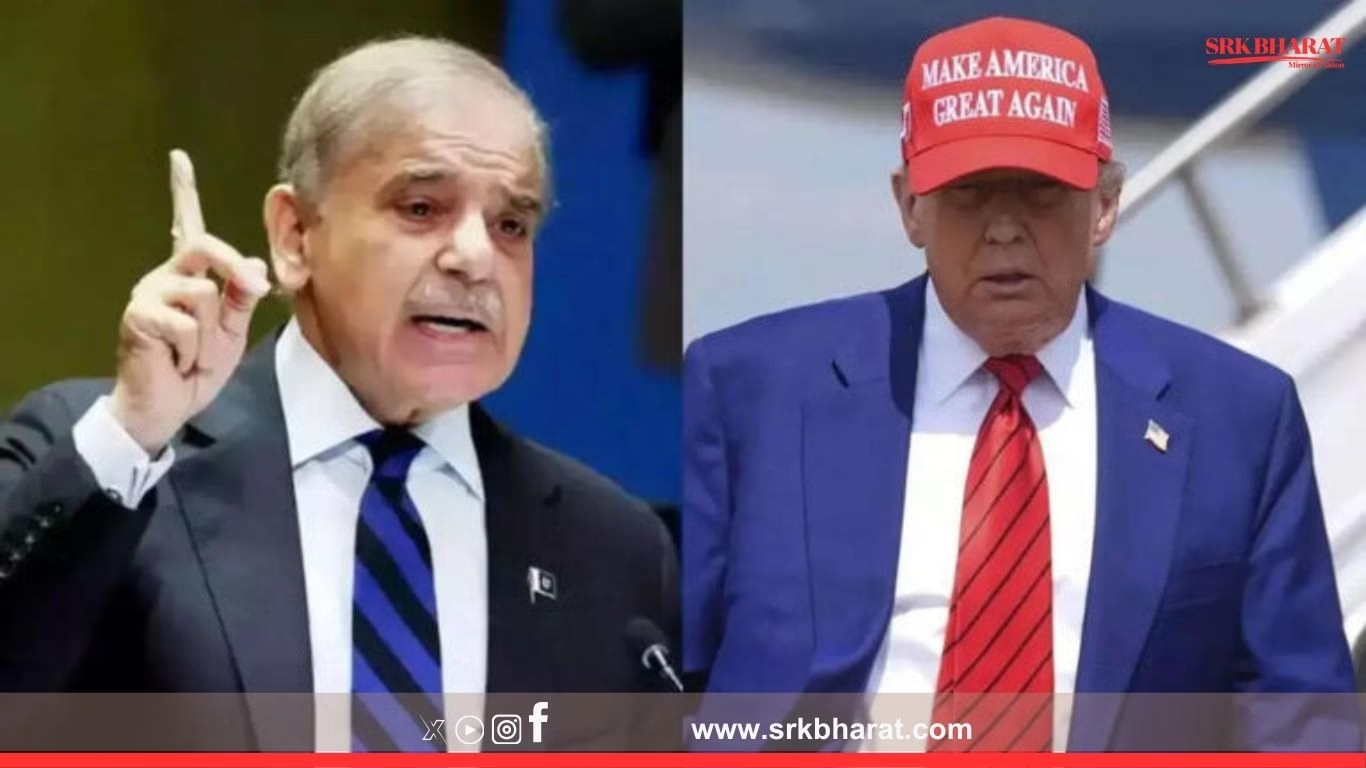
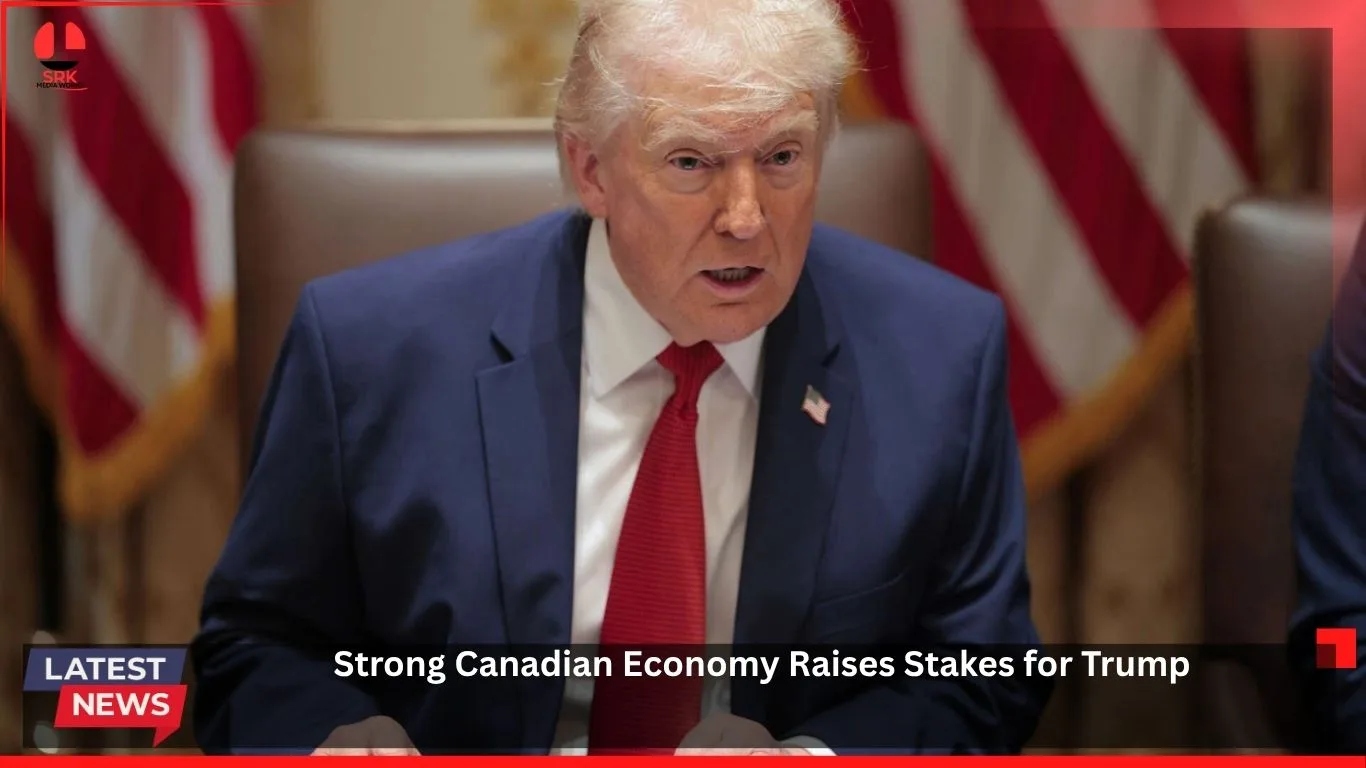
Pakistan Prime Minister Shehbaz Sharif is expected to hold a high-level meeting with United States President Donald Trump on September 25, 2025, during the United Nations General Assembly (UNGA) session in New York. According to multiple reports from Pakistani media outlets, the meeting will also be attended by Pakistan’s Chief of Army Staff, Field Marshal Asim Munir, and is being facilitated with the backing of Qatar and Saudi Arabia.
The anticipated engagement comes amid a renewed diplomatic push by Islamabad to strengthen ties with Washington, following months of regional turbulence, economic challenges, and evolving geopolitical dynamics. The agenda for the meeting is expected to be wide-ranging, covering humanitarian crises, bilateral trade, counter-terrorism cooperation, and the fallout of recent Middle East developments.
Key Agenda Points for Shehbaz-Trump Meeting
| Issue Area | Discussion Focus |
|---|---|
| Pakistan Flood Crisis | Humanitarian aid, climate resilience funding |
| India-Pakistan Tensions | Ceasefire status, cross-border security |
| Israel-Qatar Fallout | Regional stability, diplomatic coordination |
| Trade and Investment | Tariff reduction, energy sector collaboration |
| Counter-Terrorism | Intelligence sharing, ISIS-K operative handover |
Sources indicate that the meeting will also touch upon the May 2025 military standoff between India and Pakistan, which was defused following a ceasefire that Trump claimed to have brokered—a claim New Delhi has denied.
Timeline of Engagements Leading to UNGA Talks
| Date | Event Description |
|---|---|
| June 2025 | Asim Munir meets Trump at White House for private lunch |
| August 2025 | Munir attends CENTCOM Change of Command Ceremony |
| September 2025 | Pakistan secures $500 million US investment in minerals sector |
| September 25 | Shehbaz-Trump meeting expected at UNGA |
The meeting is seen as a continuation of Pakistan’s diplomatic outreach, which has included trade agreements, defense cooperation, and strategic dialogues with key U.S. officials.
Pakistan’s Diplomatic Objectives
| Objective | Strategic Importance |
|---|---|
| Humanitarian Relief | Addressing flood devastation across Sindh and Punjab |
| Economic Recovery | Attracting U.S. investment in energy and minerals |
| Regional Peace | Stabilizing relations with India and Middle East allies |
| Defense Cooperation | Enhancing counter-terrorism capabilities |
| Trade Expansion | Reducing tariffs on Pakistani exports to the U.S. |
Pakistan’s Deputy Prime Minister and Foreign Minister Ishaq Dar has also held recent talks with U.S. Secretary of State Marco Rubio, reaffirming both nations’ commitment to bolstering bilateral ties.
U.S. Interests in the Meeting
| U.S. Strategic Goals | Relevance to Pakistan |
|---|---|
| Counter-Terrorism | Pakistan’s role in ISIS-K operative handover |
| Trade Realignment | Balancing relations amid India-U.S. tariff tensions |
| Energy Security | Access to Pakistan’s oil and mineral reserves |
| Regional Diplomacy | Managing fallout from Israel-Qatar conflict |
| Defense Partnerships | Strengthening CENTCOM coordination in South Asia |
Trump’s administration has shown interest in expanding U.S. influence in South Asia, especially as tensions with China and Russia continue to shape global alliances.
India-Pakistan Dynamics in Focus
The meeting is expected to revisit the April 2025 Pahalgam terror attack and Operation Sindoor, which escalated military tensions between India and Pakistan. While a ceasefire was agreed upon in May, the situation remains fragile.
| Incident | Impact |
|---|---|
| Pahalgam Terror Attack | Heightened border security concerns |
| Operation Sindoor | Military escalation, diplomatic strain |
| Ceasefire Agreement | Brokered under U.S. mediation (disputed by India) |
| Current Status | Fragile peace, ongoing surveillance |
India has maintained a cautious stance, denying Trump’s claims of brokering peace and continuing trade negotiations with U.S. officials to resolve tariff disputes.
Regional Support and Mediation
Qatar and Saudi Arabia have reportedly played a key role in facilitating the Shehbaz-Trump meeting, aiming to stabilize regional diplomacy amid the Israeli strike on Qatar and broader Middle East tensions.
| Country | Role in Facilitation |
|---|---|
| Qatar | Diplomatic coordination, hosting backchannel talks |
| Saudi Arabia | Strategic endorsement, economic support |
| United Arab Emirates | Observer role, trade alignment |
The involvement of Gulf nations underscores the broader regional implications of the meeting and the need for multilateral cooperation.
Economic and Trade Developments
Pakistan has recently secured a $500 million investment from United States Strategic Metals (USSM) in its critical minerals sector, signaling a shift toward deeper economic engagement.
| Sector | Investment Details |
|---|---|
| Minerals | $500 million from USSM |
| Energy | Oil reserve development plans |
| Exports | Tariff reduction on textiles, rice |
| Cryptocurrency | Alignment with Trump-backed ventures |
These developments are expected to be formalized during the UNGA meeting, with potential announcements on expanded trade access and joint ventures.
Conclusion: A Pivotal Moment in Pakistan-U.S. Relations
The anticipated meeting between Prime Minister Shehbaz Sharif and President Donald Trump on the sidelines of the UNGA marks a critical juncture in Pakistan-U.S. relations. With regional tensions, humanitarian crises, and economic recovery on the agenda, both leaders are expected to engage in substantive dialogue aimed at reshaping bilateral cooperation.
As Islamabad seeks to demonstrate proactive diplomacy and Washington recalibrates its South Asia strategy, the outcome of this meeting could have lasting implications for regional stability, trade partnerships, and geopolitical alignments.
—
Disclaimer: This article is based on publicly available news reports, diplomatic sources, and verified commentary. It is intended for informational purposes only and does not constitute political endorsement or foreign policy advice. All details are subject to change based on official statements and developments.
Thanks for shening. I read many of your blog posts, cool, your blog is very good.