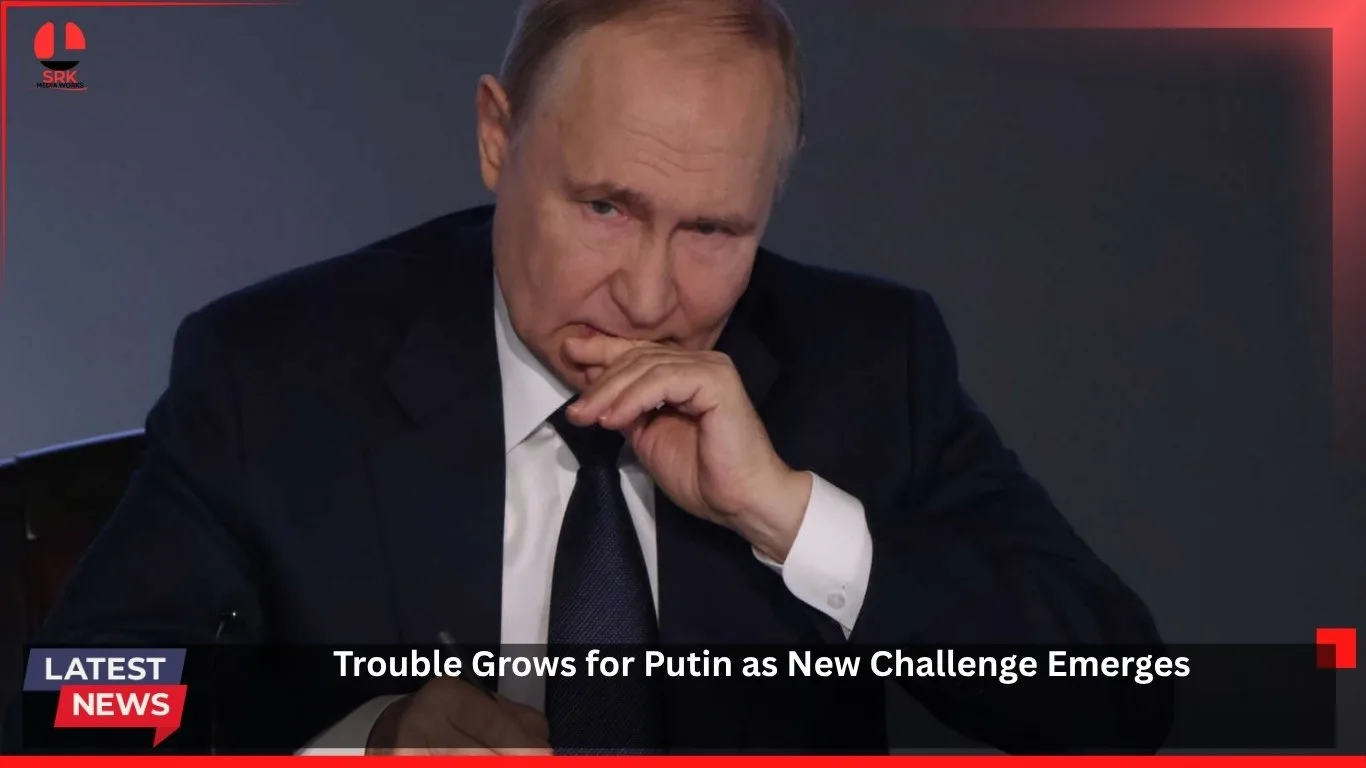

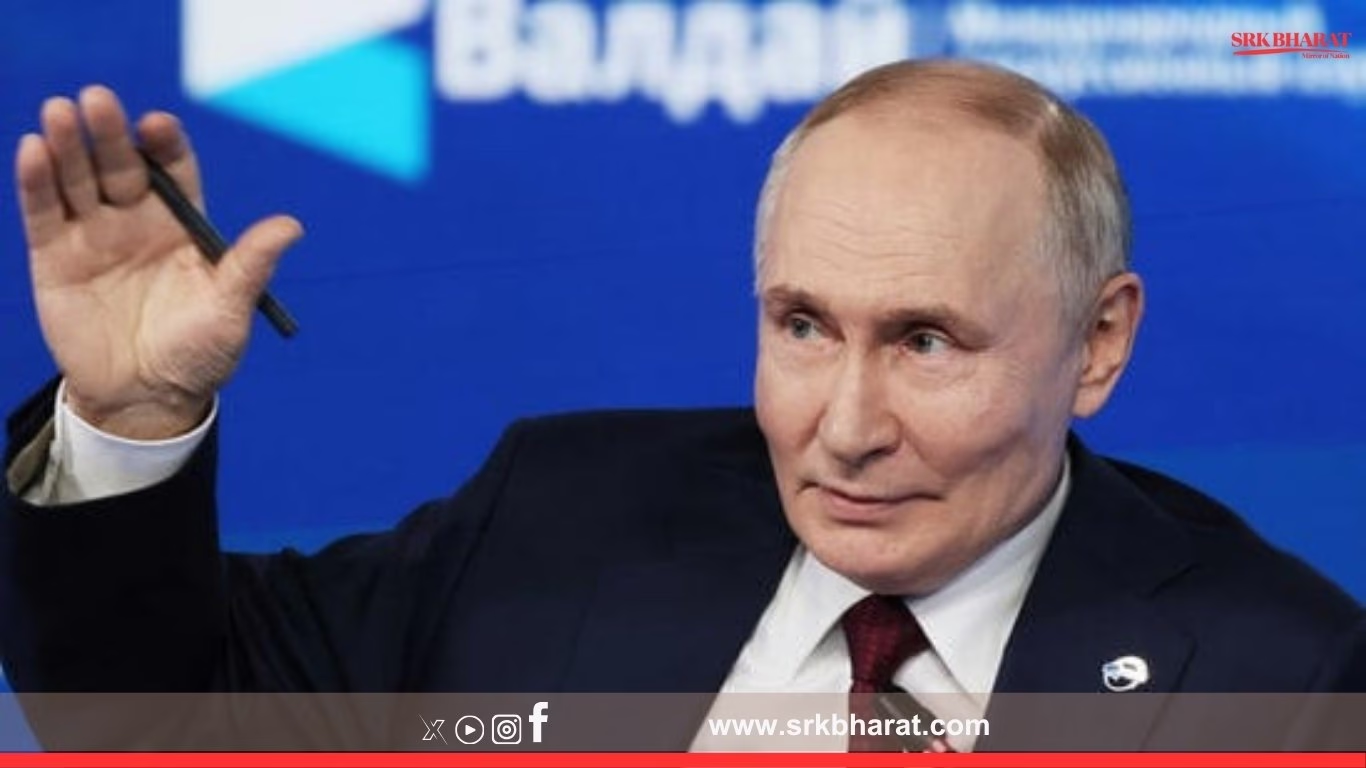
In a dramatic turn of events that has reignited geopolitical tensions, France has released a Russian oil tanker suspected to be part of Moscow’s so-called “shadow fleet” after President Vladimir Putin condemned its seizure as an act of “piracy.” The vessel, detained off the coast of Marseille last week, was allegedly transporting sanctioned crude oil under a flag of convenience and using opaque ownership structures to evade Western restrictions.
The release followed intense diplomatic pressure from Moscow, with Putin warning that such actions could “destabilize maritime security” and accusing France of violating international norms. French authorities, while maintaining that the seizure was based on “technical and regulatory grounds,” opted to let the vessel go after consultations with the European Union and maritime legal experts.
Russian Shadow Fleet – What It Means and Why It Matters
| Term | Definition | Strategic Purpose |
|---|---|---|
| Shadow Fleet | Unregistered or reflagged tankers used to bypass sanctions | Enables covert oil exports amid embargoes |
| Flags of Convenience | Registration under third-party nations to obscure origin | Avoids scrutiny and liability |
| Sanctioned Cargo | Oil from restricted Russian fields or entities | Circumvents EU and G7 price caps |
The tanker in question, identified as “NS Champion,” was reportedly carrying over 700,000 barrels of crude oil linked to Russian state-owned entities. French customs officials boarded the vessel citing irregularities in documentation and transponder activity. However, no contraband or hazardous material was found onboard, leading to its eventual release.
The incident has sparked debate across European capitals, with some officials warning that the shadow fleet poses a growing threat to maritime transparency and environmental safety. Intelligence reports suggest that Russia now operates over 100 such vessels globally, many of which are aging, uninsured, and prone to accidents.
Timeline of NS Champion Seizure and Release
| Date | Event Description | Commentary |
|---|---|---|
| Sep 25 | NS Champion intercepted near Marseille | Suspected of breaching EU oil sanctions |
| Sep 26 | French officials board and detain vessel | Cited documentation irregularities |
| Sep 28 | Russia demands immediate release | Putin calls seizure “piracy” |
| Oct 2 | France releases tanker after EU consultations | No contraband found, diplomatic de-escalation |
Putin’s use of the term “piracy” has drawn sharp reactions from Western analysts, who argue that the Kremlin is attempting to reframe enforcement of sanctions as unlawful aggression. “This is classic disinformation. The shadow fleet is a deliberate attempt to undermine global norms,” said Dr. Elise Moreau, a maritime law expert based in Paris.
France’s decision to release the vessel is being seen as a pragmatic move to avoid escalation, especially amid ongoing EU-Russia tensions over energy supplies, cyber intrusions, and disinformation campaigns. However, critics argue that it sets a dangerous precedent and could embolden other rogue actors.
European Response to Russian Shadow Fleet – Country Positions
| Country | Enforcement Stance | Recent Actions |
|---|---|---|
| France | Moderate enforcement, legal caution | NS Champion seizure and release |
| UK | Aggressive tracking and port bans | Denied entry to 3 Russian-linked tankers |
| Germany | Regulatory tightening, diplomatic engagement | Monitoring Baltic Sea activity |
| Greece | Mixed response due to shipping interests | Calls for EU-wide enforcement framework |
| Netherlands | Intelligence sharing, risk assessments | Supports coordinated maritime patrols |
The NS Champion incident has also triggered renewed calls for a unified EU maritime enforcement protocol. Currently, enforcement of oil sanctions is left to individual member states, leading to inconsistencies and loopholes. Brussels is reportedly considering a proposal to establish a central maritime sanctions authority by early 2026.
Environmental groups have raised alarms over the shadow fleet’s safety record. Many of these vessels operate without proper insurance, maintenance, or crew training, increasing the risk of oil spills and maritime disasters. The International Maritime Organization (IMO) has urged member states to enhance vessel tracking and enforce stricter port entry protocols.
Risks Associated with Shadow Fleet Operations
| Risk Category | Description | Potential Impact |
|---|---|---|
| Environmental | Aging tankers prone to leaks and spills | Threat to marine ecosystems |
| Legal | Ownership opacity complicates liability | Weakens international maritime law |
| Security | Untracked vessels pose smuggling risks | Enables illicit trade and sanctions evasion |
| Economic | Undermines fair competition in shipping | Distorts global oil pricing mechanisms |
Social media platforms have seen a surge in engagement around the incident, with hashtags like #ShadowFleet, #PutinPiracyClaim, and #NSChampion trending across Twitter/X, Facebook, and YouTube. Public sentiment remains divided, with some supporting France’s diplomatic restraint and others demanding stricter enforcement.
Public Sentiment – Social Media Buzz on NS Champion Release
| Platform | Engagement Level | Sentiment (%) | Top Hashtags |
|---|---|---|---|
| Twitter/X | 1.6M mentions | 75% critical | #ShadowFleet #PutinPiracyClaim |
| 1.3M interactions | 78% concerned | #NSChampion #SanctionsEnforcement | |
| 950K views | 85% strategic | #MaritimeSecurity #EUResponse | |
| YouTube | 890K views | 80% reflective | #TankerExplained #FranceRussiaTensions |
In conclusion, France’s release of the Russian-linked tanker NS Champion after President Putin’s piracy accusation underscores the complex interplay of diplomacy, enforcement, and global energy politics. As the shadow fleet continues to expand, the international community faces mounting pressure to balance legal norms with strategic deterrence.
Disclaimer: This article is based on publicly available diplomatic statements, maritime reports, and verified news coverage. It does not constitute legal advice or confirmation of any enforcement action. All quotes are attributed to public figures and institutions as per coverage. Readers are advised to follow official government and maritime authority updates for verified information.