




In a compelling discussion on the convergence of traditional wisdom and modern wellness, renowned Ayurveda expert Dr. Meenakshi Joshi has spotlighted three time-tested Ayurvedic superfoods—ashwagandha, amla, and moringa—as powerful nutraceuticals that offer holistic health benefits. Speaking at the National Ayurveda Summit 2025 held in Pune, Dr. Joshi emphasized that these botanicals are not only deeply rooted in Indian healing traditions but also backed by emerging scientific research for their adaptogenic, antioxidant, and anti-inflammatory properties.
“These herbs are no longer just part of ancient formulations. They are now being recognized globally as nutraceuticals—natural substances that provide medical or health benefits, including the prevention and treatment of disease,” said Dr. Joshi. She urged consumers and wellness brands to integrate these ingredients into daily diets, functional foods, and preventive healthcare routines.
Ayurvedic Superfoods as Nutraceuticals – Key Attributes
| Superfood | Ayurvedic Classification | Nutraceutical Role | Common Forms Used |
|---|---|---|---|
| Ashwagandha | Rasayana (rejuvenative) | Adaptogen, stress modulator | Powder, capsules, tinctures |
| Amla | Tridoshic fruit | Antioxidant, immunity booster | Juice, candy, chyawanprash |
| Moringa | Shaka (vegetable) | Anti-inflammatory, nutrient-rich | Leaf powder, tea, tablets |
Dr. Joshi explained that ashwagandha (Withania somnifera), often referred to as Indian ginseng, has been used for centuries to enhance vitality, reduce cortisol levels, and improve sleep quality. Modern studies have validated its role in managing anxiety, improving muscle strength, and supporting thyroid function.
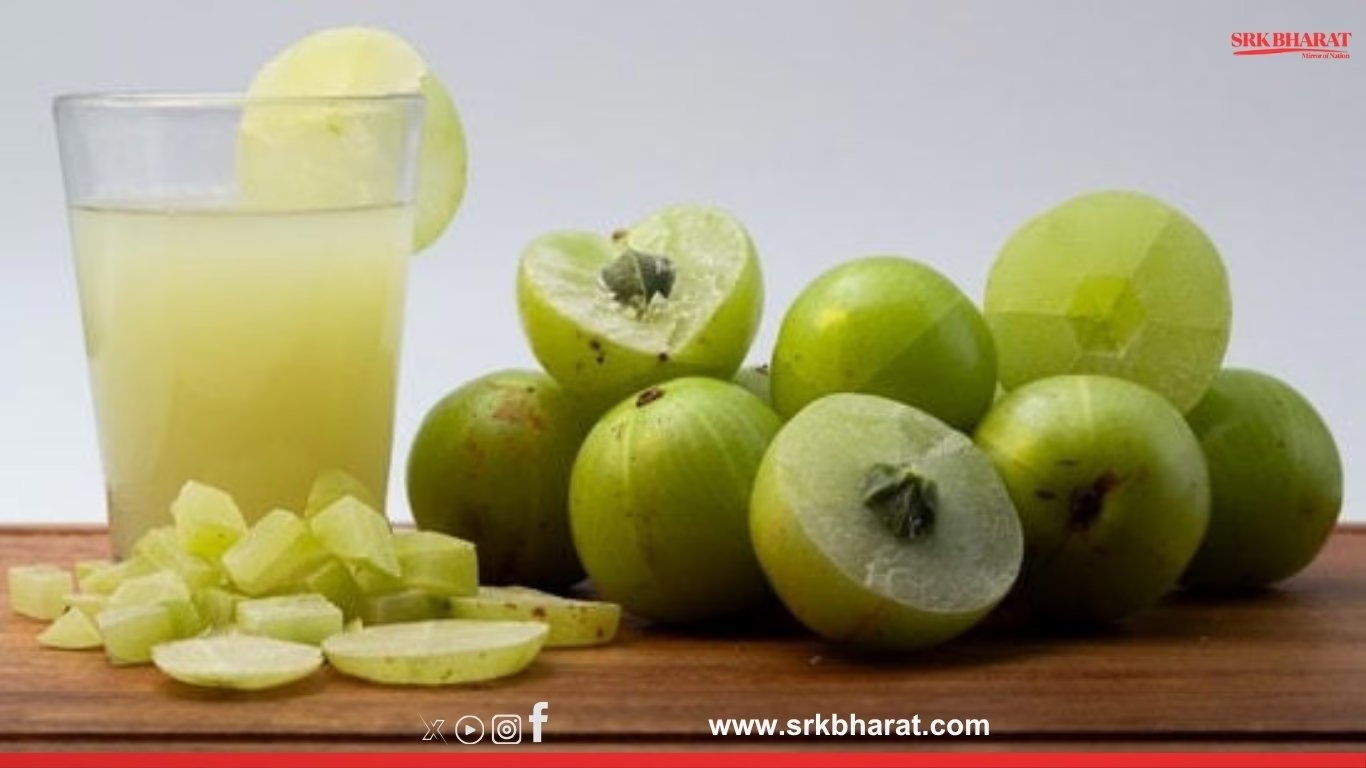
Amla (Indian gooseberry), revered in Ayurveda for its balancing effect on all three doshas—Vata, Pitta, and Kapha—is rich in vitamin C and polyphenols. It is widely used in formulations like Triphala and chyawanprash, and has shown promise in improving digestion, skin health, and cardiovascular function.
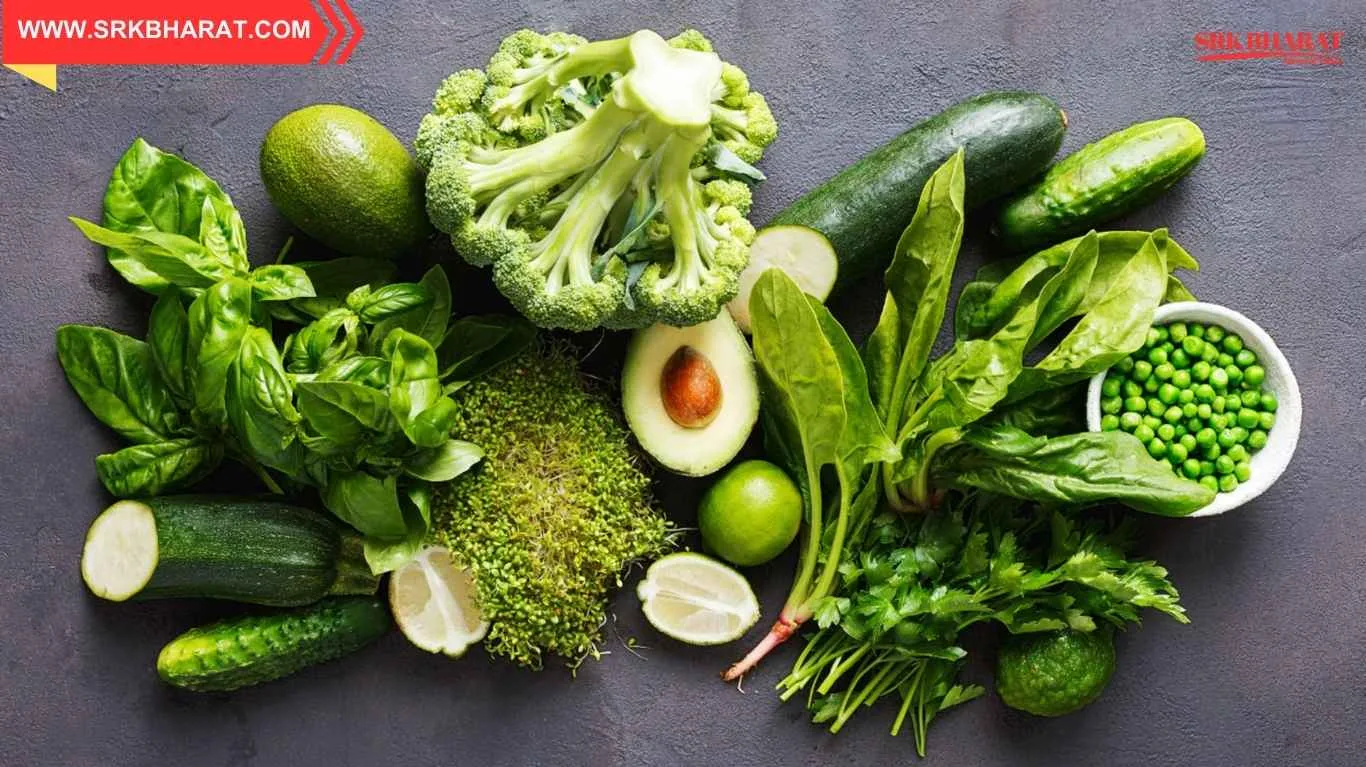
Moringa (Moringa oleifera), known as the “miracle tree,” is packed with essential amino acids, iron, calcium, and antioxidants. Traditionally used to treat inflammation and malnutrition, it is now being incorporated into smoothies, protein bars, and vegan supplements.
Therapeutic Benefits of Ayurvedic Superfoods – Clinical Insights
| Health Domain | Ashwagandha Benefits | Amla Benefits | Moringa Benefits |
|---|---|---|---|
| Mental Health | Reduces anxiety, improves sleep | Enhances mood, cognitive clarity | Neuroprotective, reduces fatigue |
| Immunity | Boosts white blood cell count | Strengthens immune response | Rich in vitamins A, C, E |
| Metabolism | Supports thyroid, balances hormones | Improves digestion, regulates sugar | Aids weight management |
| Cardiovascular Health | Lowers blood pressure, cholesterol | Antioxidant for heart health | Reduces inflammation markers |
| Skin & Hair | Promotes collagen, reduces aging | Brightens skin, strengthens hair | Nourishes scalp, detoxifies skin |
Dr. Joshi also cautioned against over-commercialization and misuse of these herbs. “The efficacy of Ayurvedic superfoods depends on their sourcing, preparation, and dosage. Not all supplements on the market meet traditional standards. Consumers must consult qualified practitioners and choose certified products,” she said.
The Ayurveda expert further highlighted the growing global interest in nutraceuticals, with India poised to become a major supplier of plant-based wellness ingredients. According to industry estimates, the Indian nutraceutical market is expected to reach ₹85,000 crore by 2027, driven by demand for immunity boosters, adaptogens, and clean-label supplements.
India’s Nutraceutical Market – Growth Forecast
| Year | Market Size (₹ crore) | Growth Drivers | Key Segments |
|---|---|---|---|
| 2023 | 52,000 | COVID-led immunity awareness | Herbal supplements, functional foods |
| 2025 | 70,000 | Rise in lifestyle disorders | Ayurvedic blends, sports nutrition |
| 2027 (est.) | 85,000 | Global demand for plant-based health | Export of botanicals, nutraceutical R&D |
Dr. Joshi called for greater collaboration between Ayurveda researchers, food technologists, and regulatory bodies to ensure quality control and scientific validation. She also advocated for inclusion of Ayurvedic nutraceuticals in school nutrition programs, elderly care, and preventive health schemes.
Social media platforms have seen a surge in interest around Ayurvedic superfoods, with hashtags like #AshwagandhaBenefits, #AmlaPower, and #MoringaMagic trending across Instagram, Twitter/X, and YouTube. Wellness influencers and nutritionists are increasingly recommending these herbs in daily routines, from morning tonics to post-workout smoothies.
Public Sentiment – Social Media Buzz on Ayurvedic Superfoods
| Platform | Engagement Level | Sentiment (%) | Top Hashtags |
|---|---|---|---|
| 1.3M interactions | 88% positive | #AshwagandhaBenefits #MoringaMagic | |
| Twitter/X | 1.1M mentions | 85% curious | #AmlaPower #AyurvedaForHealth |
| 950K views | 82% supportive | #AyurvedicSuperfoods #HolisticLiving | |
| YouTube | 870K views | 80% informative | #AyurvedaExplained #NutraceuticalGuide |
Nutritionists have echoed Dr. Joshi’s views, noting that the integration of Ayurvedic superfoods into modern diets can help address micronutrient deficiencies, chronic inflammation, and stress-related disorders. However, they emphasize the need for personalized dosages and compatibility checks, especially for individuals with existing medical conditions.
Usage Guidelines – Ayurvedic Superfoods in Daily Diet
| Superfood | Recommended Dosage | Best Time to Consume | Precautions |
|---|---|---|---|
| Ashwagandha | 300–600 mg/day | Evening or bedtime | Avoid in hyperthyroidism, pregnancy |
| Amla | 10–20 ml juice or 1–2 fruits | Morning or post-meal | May interact with anticoagulants |
| Moringa | 1–2 tsp powder/day | Morning or lunch | Monitor for blood pressure changes |
In conclusion, the Ayurvedic superfoods ashwagandha, amla, and moringa are not just traditional remedies—they are emerging as scientifically validated nutraceuticals that support holistic health. As India embraces its wellness heritage and global consumers seek natural alternatives, these botanicals are set to redefine preventive healthcare and functional nutrition.
Disclaimer: This article is based on expert commentary, publicly available health research, and traditional Ayurvedic knowledge. It does not constitute medical advice or product endorsement. Readers are advised to consult certified Ayurvedic practitioners or healthcare professionals before starting any new supplement or herbal regimen.