



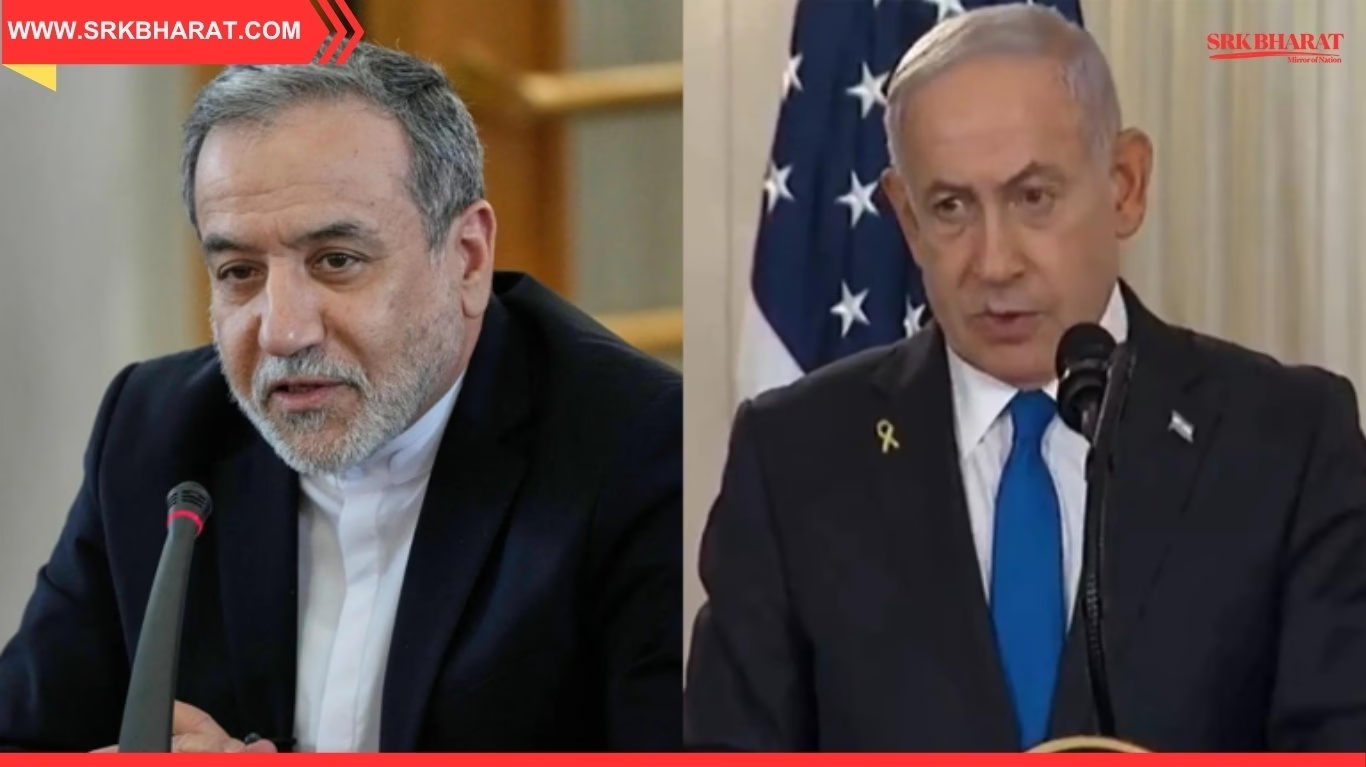
In a dramatic diplomatic disclosure, Iranian Foreign Ministry spokesperson Nasser Kanaani stated on October 11, 2025, that Russia had relayed a message from Israeli Prime Minister Benjamin Netanyahu, asserting that “Israel does not want war” with Iran. The revelation comes amid a fragile ceasefire in Gaza, brokered by the United States and Egypt, which has temporarily halted two years of intense conflict between Israel and Hamas. However, Iran has cast doubt on the durability of the truce, citing “continued Israeli provocations” and “lack of trust in Tel Aviv’s intentions.”
The message, reportedly conveyed by Russian President Vladimir Putin during backchannel communications, has sparked a flurry of geopolitical reactions, with Iran questioning whether Israel’s overtures are genuine or merely tactical. Tehran has accused Israel of “strategic deception”, pointing to recent airspace violations and military mobilizations near Lebanon and Syria.
🧠 Key Highlights from Iran’s Statement on Netanyahu’s Message
| Issue Raised | Iran’s Position |
|---|---|
| Netanyahu’s Message | “Israel doesn’t want war” – relayed via Russia |
| Iran’s Response | “We don’t trust Tel Aviv’s intentions” |
| Gaza Ceasefire | “Fragile, conditional, and possibly short-lived” |
| Regional Stability | “Israel must stop provocations in Lebanon and Syria” |
| Diplomatic Channels | “Russia played intermediary role” |
Iran emphasized that any meaningful peace must include “complete cessation of Israeli aggression across all fronts.”
📊 Timeline of Events Leading to the Diplomatic Disclosure
| Date | Event Description |
|---|---|
| Oct 9, 2025 | Gaza ceasefire agreement signed in Cairo |
| Oct 10, 2025 | Hostage exchange begins between Israel and Hamas |
| Oct 11, 2025 | Iran reveals Netanyahu’s message via Russia |
| Oct 12, 2025 | Iran raises doubts over ceasefire’s credibility |
The ceasefire, hailed as a breakthrough by US President Donald Trump, includes phased withdrawal of Israeli forces and release of hostages from both sides.
🗣️ Global Reactions and Strategic Implications
- Russia: Maintains neutral stance, confirms diplomatic engagement
- United States: Urges all parties to honor ceasefire terms
- European Union: Calls for sustained peace and humanitarian access
- Hezbollah and Syrian Government: Warn Israel against cross-border operations
| Country/Entity | Reaction Summary |
|---|---|
| Russia | Facilitated message, urges restraint |
| US | Supports ceasefire, monitors compliance |
| Iran | Skeptical of Israeli intentions |
| Israel | Silent on Iran’s claims, focuses on truce |
The situation remains tense, with observers warning that any breach of the ceasefire could reignite regional hostilities.
🧾 Ceasefire Terms and Compliance Challenges
| Ceasefire Component | Status as of October 12, 2025 |
|---|---|
| Hostage Exchange | Ongoing, 20 Israelis and 300 Palestinians |
| Military Withdrawal | Partial, Israeli forces repositioned |
| Border Access | Limited humanitarian corridors opened |
| Airspace Violations | Iran alleges Israeli drones over Lebanon |
| Diplomatic Oversight | US and Egypt monitoring implementation |
Iran has demanded “international guarantees” and “UN verification mechanisms” to ensure Israel’s compliance.
🧭 What’s Next?
- UN Security Council Briefing: Scheduled for October 14 to assess ceasefire progress
- Iran-Russia Bilateral Talks: Expected to deepen strategic coordination
- Israel Domestic Response: Netanyahu faces pressure from hawkish factions
- Hezbollah Mobilization: Increased surveillance along Israeli-Lebanese border
The coming days will be critical in determining whether the ceasefire holds or collapses under geopolitical strain.
Disclaimer
This news content is based on verified diplomatic statements, UN briefings, and global media reports as of October 12, 2025. It is intended for editorial use and public awareness. The information does not constitute diplomatic endorsement, military assessment, or geopolitical advice and adheres to ethical journalism standards.