
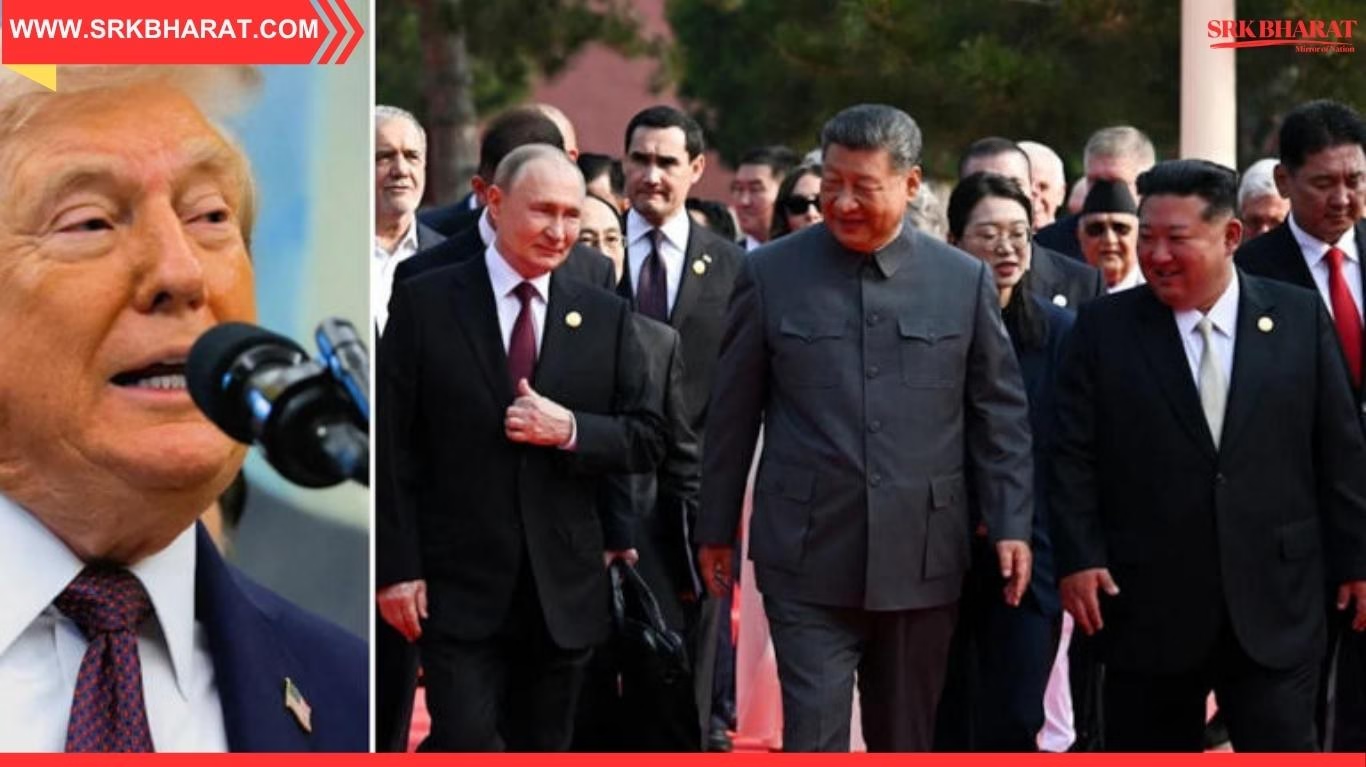
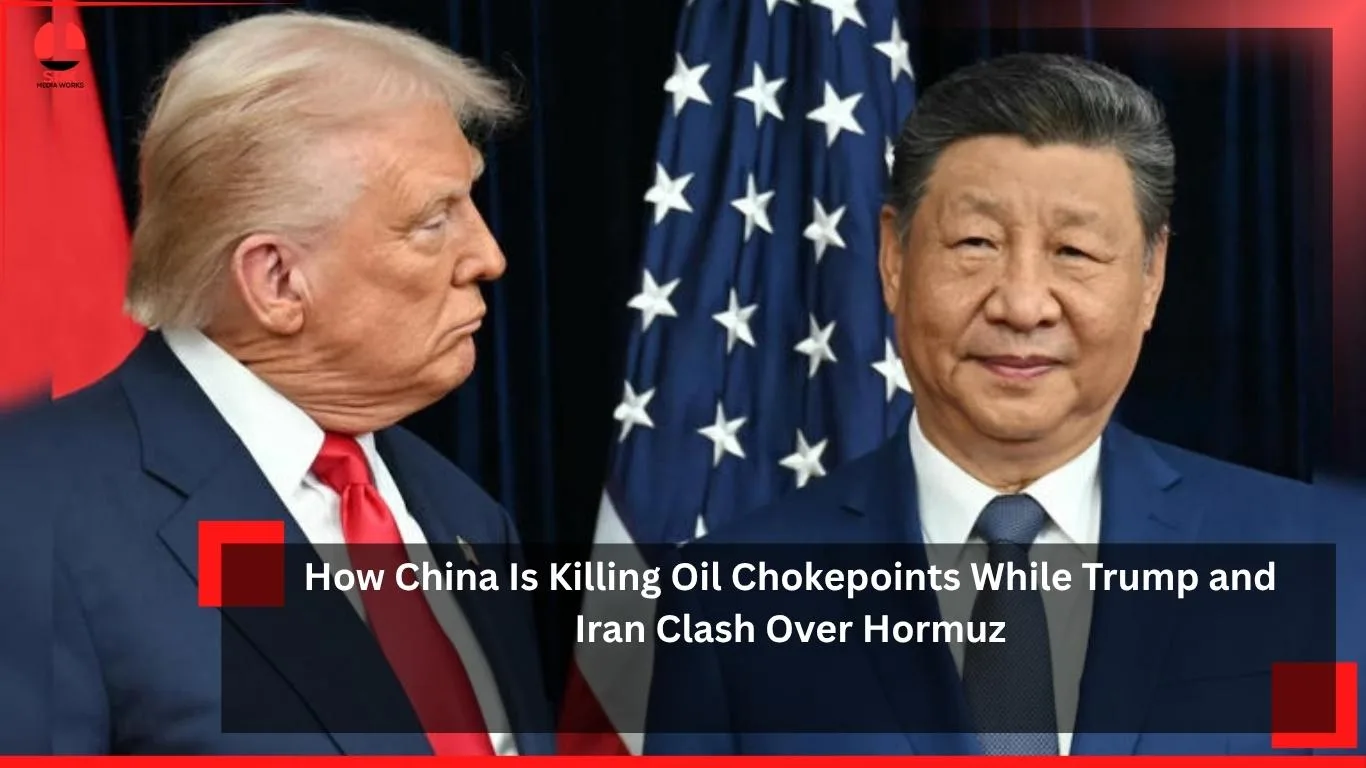
In a wide-ranging interview aired on CBS’s “60 Minutes” on November 3, 2025, President Donald Trump was asked to weigh in on a provocative question: Who is tougher to deal with—Russian President Vladimir Putin or Chinese President Xi Jinping? His response was both diplomatic and revealing. “Both tough. Both smart. They’re both very strong leaders. These are people not to be toyed with,” Trump said, refusing to rank one above the other.
The interview marked Trump’s first appearance on CBS since settling a lawsuit with the network’s parent company earlier this year. During the conversation, he discussed global leadership dynamics, nuclear proliferation, and his own foreign policy legacy. Trump’s remarks about Putin and Xi have sparked renewed debate over his approach to authoritarian leaders and the strategic balancing act the U.S. must maintain with two of its most formidable global rivals.
🧠 Trump’s Key Quotes on Putin and Xi
| Quote | Context Summary |
|---|---|
| “Both tough. Both smart.” | Trump’s refusal to rank one leader above the other |
| “They’re not to be toyed with.” | Emphasizing the seriousness of dealing with them |
| “They have massive nuclear stockpiles.” | Referencing global security concerns |
| “I’ve talked denuclearization with both.” | Claiming diplomatic engagement on nuclear issues |
Trump’s tone was measured, avoiding inflammatory rhetoric while acknowledging the strategic weight of both leaders.
📊 Comparative Leadership Profile: Putin vs Xi
| Attribute | Vladimir Putin | Xi Jinping |
|---|---|---|
| Tenure | President since 2000 (with breaks) | President since 2013 |
| Governance Style | Centralized, militaristic | Centralized, technocratic |
| Global Strategy | Assertive in Eastern Europe and Middle East | Assertive in Indo-Pacific and Africa |
| U.S. Relations | Sanctions, Ukraine conflict | Trade tensions, Taiwan standoff |
| Nuclear Arsenal | ~6,000 warheads | ~400 warheads |
Both leaders pose distinct challenges to U.S. foreign policy, requiring nuanced engagement.
🗣️ Reactions to Trump’s Comments
| Stakeholder | Commentary Summary |
|---|---|
| Foreign Policy Analysts | “Trump’s equal praise signals strategic neutrality.” |
| Political Opponents | “He’s too soft on authoritarian leaders.” |
| Supporters | “He’s being realistic and pragmatic.” |
| International Observers | “This reflects a shift in U.S. diplomatic tone.” |
The remarks have reignited discussions on Trump’s foreign policy doctrine and its implications.
📈 Trump’s Broader Foreign Policy Legacy
| Region | Key Action Taken | Outcome Summary |
|---|---|---|
| Middle East | Abraham Accords, troop withdrawals | Mixed reception, reduced U.S. footprint |
| East Asia | Tariffs on China, North Korea summits | Strategic ambiguity, stalled negotiations |
| Europe | NATO funding pressure, Ukraine stance | Tensions with allies, Russia containment |
| Latin America | Border security, trade renegotiations | Domestic focus, limited regional impact |
Trump’s foreign policy has been marked by transactional diplomacy and emphasis on bilateral deals.
📌 Conclusion
President Donald Trump’s refusal to choose between Vladimir Putin and Xi Jinping as the “tougher” leader underscores his strategic positioning on global diplomacy. By calling both “smart” and “strong,” Trump signaled respect for their leadership while maintaining a neutral stance that avoids alienating either power. As geopolitical tensions continue to rise, especially around Ukraine and Taiwan, Trump’s comments offer insight into how he views the delicate balance of power and the importance of measured engagement with rival nations.
Disclaimer: This article is based on publicly available interviews, media reports, and geopolitical analysis. It is intended for informational and editorial purposes only and does not constitute diplomatic advice or political endorsement.
Thanks for sharing. I read many of your blog posts, cool, your blog is very good. https://accounts.binance.com/register-person?ref=JW3W4Y3A