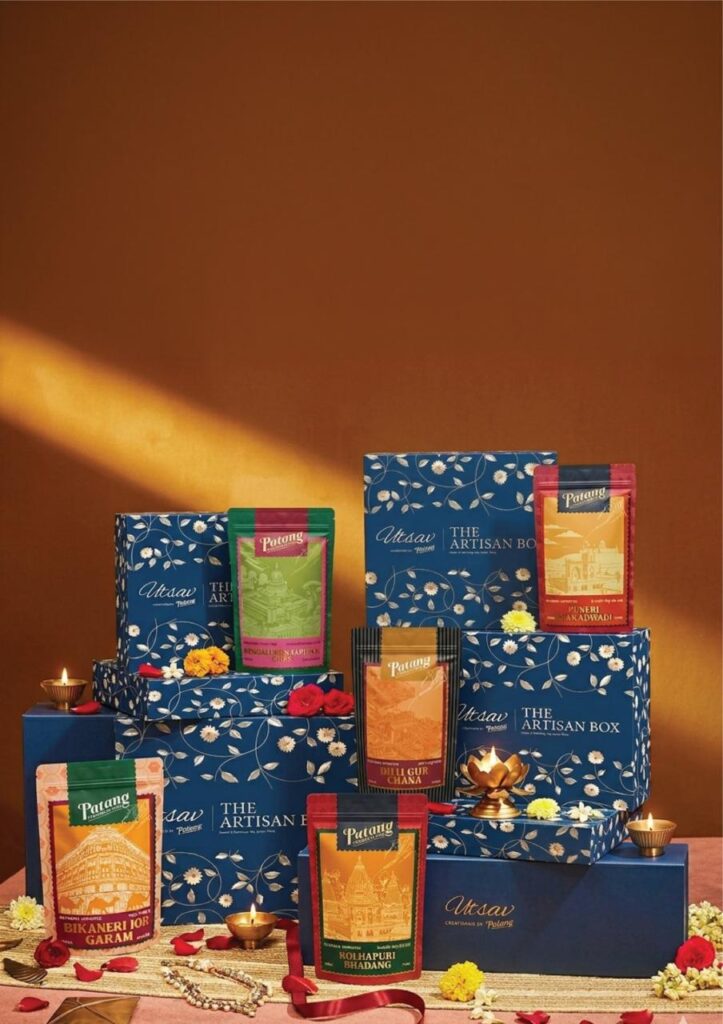

As homes across India prepare for the approaching festival of lights, the act of gathering and sharing food remains at the core of the occasion. Marking the season of community, artisanal food brand Patang has officially launched its Diwali Edit 2026. The curated collection features region-specific Indian savouries, traditional accompaniments, and handcrafted keepsake boxes designed to evoke warmth, shared nostalgia, and the spirit of hospitality that defines the season.
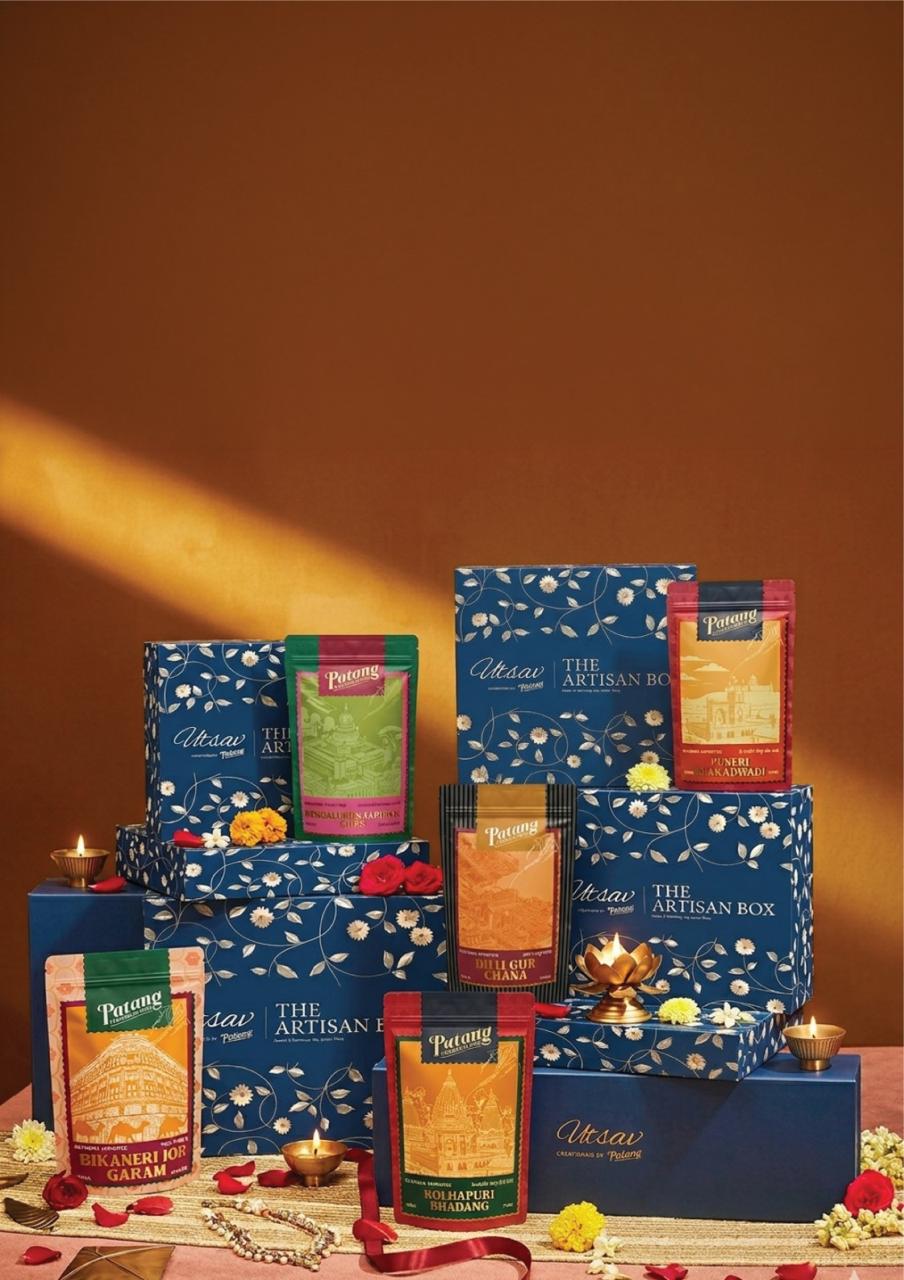 |
Patang’s Diwali Edit 2026, celebrating India’s regional flavours, festive togetherness and timeless craftsmanship
In a modern landscape where festive gift exchanges often rely on generic confectioneries and mass-produced sweet boxes, Patang’s latest collection offers a thoughtful alternative. Rather than viewing a gift as a simple commercial token, the brand approaches its festive range as a vehicle for meaningful connection. By stepping away from standard seasonal fare and focusing on regional savoury gastronomy, the collection introduces a distinct culinary narrative to the festive table. Each offering centres on authentic Indian culinary heritage, using traditional recipes prepared at their places of origin with simple, natural ingredients, completely free of palm oil.
The launch also highlights how consumer brands can honour cultural heritage while supporting local craftsmanship. The Diwali Edit 2026 pairs regional flavours with handcrafted items, actively sustaining traditional artisan practices. Tucked inside the Utsav and Pitara boxes are handmade mitti diyas (earthen lamps) shaped from raw earth by skilled rural artisans, serving as a physical reminder of the craftsmanship that gives the festival its character.
The collection introduces distinct gift arrangements tailored for varying festive moments, personal celebrations, and corporate expressions of gratitude:
The Utsav Box, conceived as an accessible homage to regional taste, is a collectible keepsake box that houses five signature regional snacks paired with a set of handmade earthen diyas. It serves as an invitation to experience authentic local flavours while honouring traditional festive lighting rituals.
The Pitara Box, created for evening gatherings, card parties, and family reunions, this is a comprehensive set that features four regional snacks alongside two traditional pickles. Adding a touch of festive leisure and community bonding, the box includes a custom deck of playing cards alongside a matching pair of earthen diyas.
The Aabhaar Box, designed for corporate gifting, this presentation is curated rather than assembled: a customisable selection built from fourteen artisan snacks and four traditional pickles, layered with coffee, chocolate, and honey from partner makers. Each box is shaped to reflect the sender, offering organisations a refined, heritage-driven way to honour employees, business partners, and community stakeholders during the festive season.
Every box in the range has been purposefully designed to be kept, repurposed, and cherished long after the contents have been enjoyed, reducing unnecessary festive packaging waste while extending the life of the craft object itself. This box of nostalgia is available on Website (thepatangstory.com) and Blinkit.
Reflecting on the strategy and vision behind the 2026 edition, Shoury Gupta, Founder & CEO of Patang outlined the operational philosophy guiding this year’s launch, “Festival gifting has increasingly drifted towards transactional exchanges, often relying on standard confectioneries that lack personal connection. With our Diwali Edit 2026, our objective was to pivot towards authentic savoury heritage and regional provenance. By combining origin-based recipes with traditional craftsmanship, we are offering an alternative that prioritises quality, cultural continuity, and genuine hospitality for both personal and corporate occasions.”
Beyond the physical items, Patang’s festive release highlights a broader industry shift towards intentionality and mindful celebration. By prioritising origin-based preparation, simple wholesome ingredients, and artisanal earthenware, the collection provides a subtle reminder that the most memorable gifts are those that foster human connection and honour culinary traditions.
About Patang
Patang exists to preserve and celebrate India’s regional food heritage in a modern format. The brand’s mission is to revive the traditional flavours of India using all-natural, high-quality ingredients, bringing back cherished memories and creating moments of joy in every bite. Patang does not believe it is creating something new. It believes it is making sure what already exists continues to thrive.