





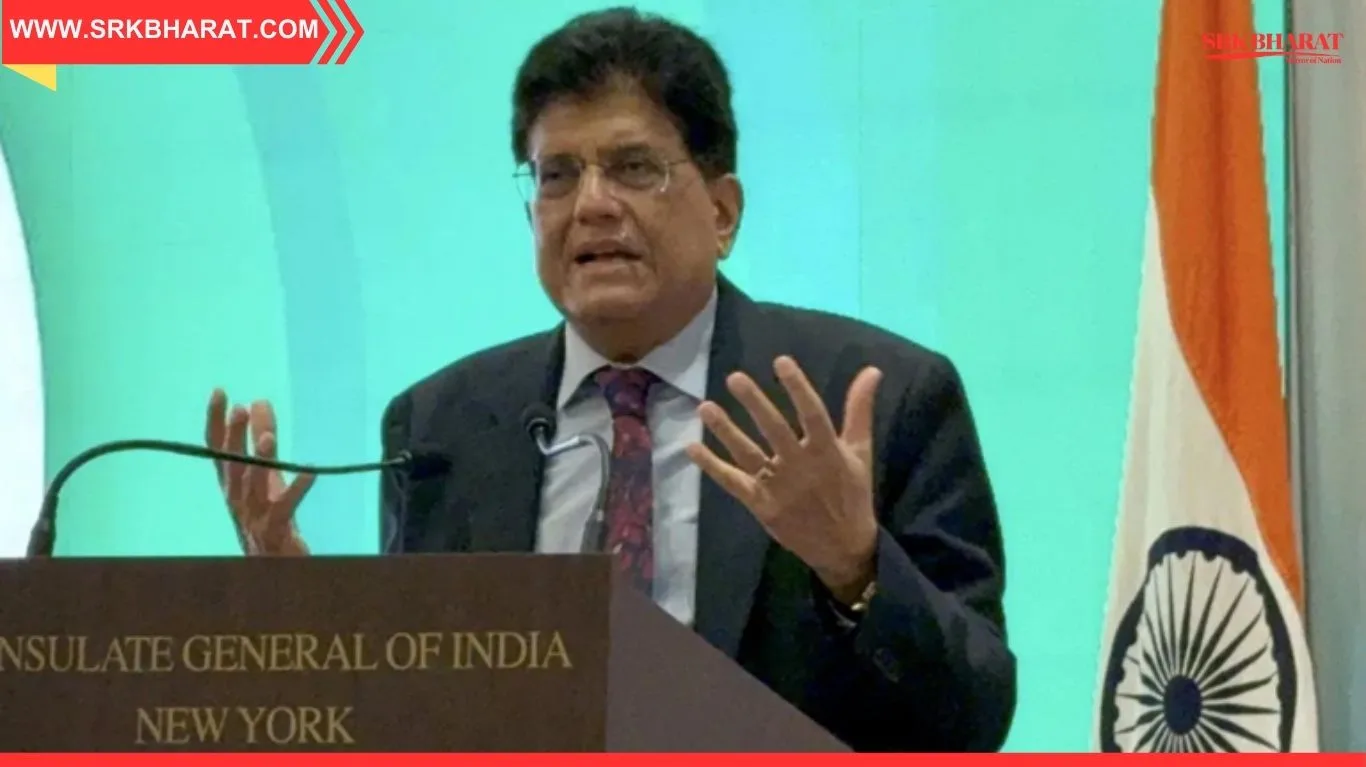
India and Canada are set to revive stalled trade negotiations, with both nations ambitiously targeting $50 billion in bilateral trade by 2030. Union Commerce and Industry Minister Piyush Goyal confirmed that discussions will resume, signaling renewed momentum in strengthening economic ties between the two countries. The announcement comes at a time when global trade dynamics are shifting, and India is actively pursuing deeper partnerships with developed economies to diversify its export markets and attract foreign investment.
India–Canada Trade Relations
India and Canada share a long-standing economic relationship:
- Historic Ties: Trade relations date back decades, with Canada being a key supplier of natural resources and India exporting a wide range of goods.
- Current Trade Volume: Bilateral trade stands at approximately $12–15 billion annually.
- Key Sectors: Energy, agriculture, IT services, education, and pharmaceuticals dominate the trade basket.
- Challenges: Political differences and regulatory hurdles have slowed progress in recent years.
The Revival of Trade Talks
Commerce Minister Piyush Goyal emphasized the importance of restarting negotiations:
- Target: Achieve $50 billion in trade by 2030.
- Approach: Focus on a balanced agreement that benefits both nations.
- Priority Areas: Tariff reductions, investment facilitation, and cooperation in emerging sectors like clean energy and digital services.
- Diplomatic Significance: The move reflects efforts to overcome past tensions and prioritize economic cooperation.
India–Canada Trade Goals vs Current Status
| Aspect | Current Status | Target by 2030 | Impact |
|---|---|---|---|
| Bilateral Trade Volume | $12–15 billion | $50 billion | Quadruple growth |
| Energy Cooperation | Limited LNG imports | Expanded energy trade | Strengthened energy security |
| Agriculture | Pulses, canola oil imports | Diversified agri-trade | Food security boost |
| Technology | IT services exports | Joint digital innovation | Enhanced tech collaboration |
| Education | 300,000+ Indian students in Canada | Increased academic partnerships | Stronger people-to-people ties |
Why $50 Billion by 2030?
The ambitious target reflects both opportunity and necessity:
- India’s Growth Story: Rising demand for resources, technology, and education.
- Canada’s Market Access: Desire to tap into India’s massive consumer base.
- Global Shifts: Diversification of supply chains away from China.
- Mutual Benefits: Job creation, investment flows, and innovation partnerships.
Key Sectors Driving India–Canada Trade
| Sector | India’s Role | Canada’s Role | Growth Potential |
|---|---|---|---|
| Energy | Growing demand for LNG, renewables | Supplier of natural gas, uranium | Very High |
| Agriculture | Importer of pulses, oils | Exporter of agri-products | High |
| Technology | IT services, startups | AI, clean tech expertise | High |
| Education | Source of international students | Destination for higher education | Very High |
| Pharmaceuticals | Exporter of generics | Importer of medicines | Moderate |
Challenges in Negotiations
Despite optimism, hurdles remain:
- Tariff Barriers: High duties on certain goods.
- Regulatory Differences: Standards and compliance issues.
- Political Tensions: Past diplomatic strains have slowed progress.
- Logistics: Distance and shipping costs impact competitiveness.
- Market Access: Ensuring fair opportunities for both sides.
Government’s Strategy
India’s approach to negotiations includes:
- Balanced Agreement: Ensuring benefits for both exporters and importers.
- Investment Facilitation: Encouraging Canadian firms to invest in India’s infrastructure and manufacturing.
- Technology Partnerships: Leveraging Canada’s expertise in AI and clean energy.
- Education Collaboration: Expanding academic exchanges and research partnerships.
- Sustainability Focus: Promoting green energy and climate-friendly trade practices.
Expert Opinions
- Economists: Stress that $50 billion is achievable if both nations commit to reducing barriers.
- Trade Analysts: Highlight the importance of energy and education sectors in driving growth.
- Diplomats: Emphasize that reviving talks reflects maturity in bilateral relations.
- Industry Leaders: Call for clarity in investment rules to attract Canadian capital.
Public and Business Reaction
- Indian Businesses: Welcome the opportunity to expand exports to Canada.
- Canadian Firms: See India as a promising market for resources and technology.
- Students and Families: Hope for smoother visa processes and academic cooperation.
- Media: Focused on the ambitious $50 billion target as a symbol of renewed ties.
Future Outlook
The India–Canada trade revival could reshape bilateral relations:
- Short-Term: Restart of negotiations and identification of priority sectors.
- Medium-Term: Expansion of trade in energy, agriculture, and technology.
- Long-Term: Achievement of $50 billion trade target by 2030, with stronger diplomatic and economic ties.
- Global Impact: India–Canada partnership could serve as a model for cooperation between developed and emerging economies.
Conclusion
The announcement by Piyush Goyal that India–Canada trade talks will restart, with a $50 billion target by 2030, marks a significant step in bilateral relations. Both nations recognize the immense potential of cooperation in energy, agriculture, technology, education, and pharmaceuticals. While challenges remain, the revival of negotiations reflects a shared commitment to overcoming barriers and building a stronger, more resilient partnership.
For India, the talks align with its broader strategy of diversifying trade and attracting investment. For Canada, it represents an opportunity to engage with one of the world’s fastest-growing economies. Together, India and Canada are poised to unlock new opportunities that will benefit businesses, consumers, and communities across both nations.
Disclaimer: This article is based on publicly available trade updates, expert commentary, and government statements. Readers are advised to follow official releases from the Ministry of Commerce and Canadian trade authorities for verified details.