




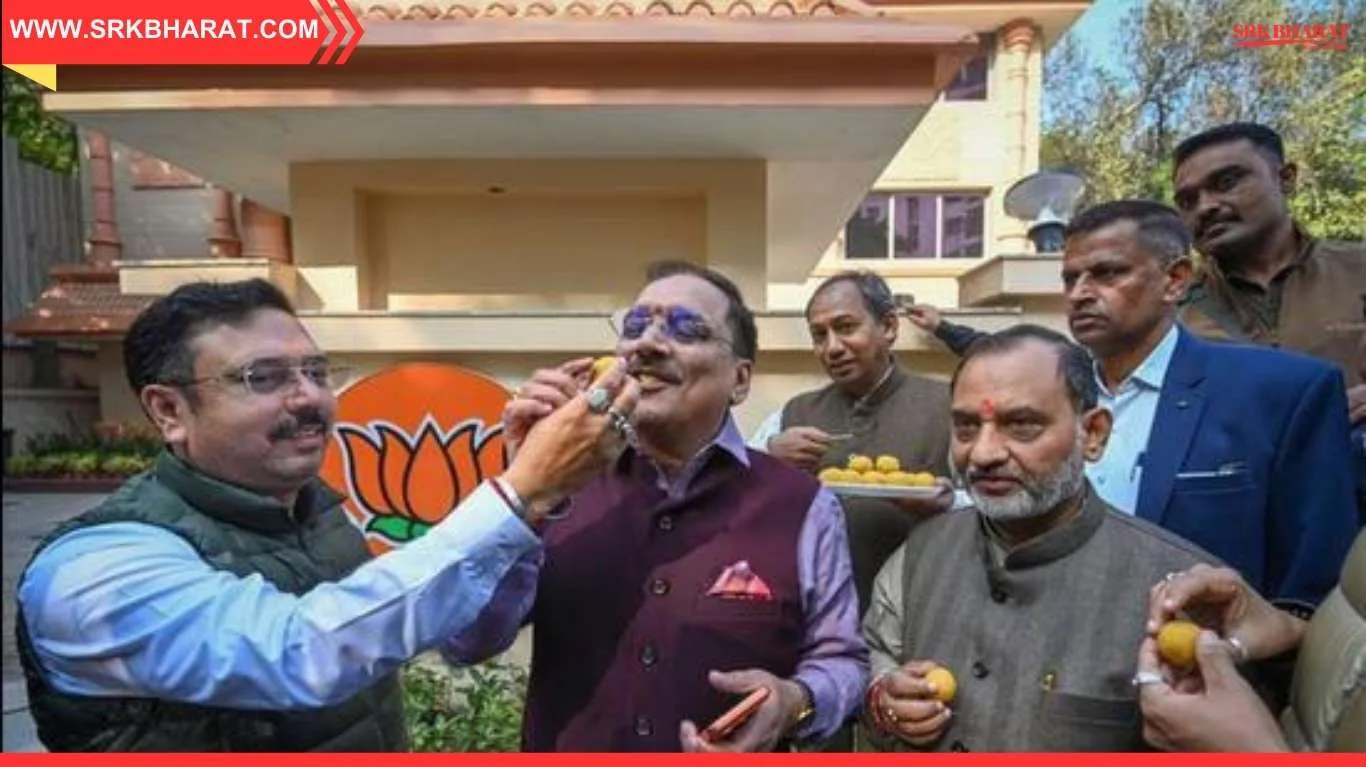
The Municipal Corporation of Delhi (MCD) bypoll results have once again highlighted the dynamic political landscape of the national capital. The Bharatiya Janata Party (BJP) successfully retained seven seats, reaffirming its stronghold in the civic body. The Aam Aadmi Party (AAP) managed to secure two seats, while the Congress registered a modest comeback by winning one seat. These results are being seen as a microcosm of Delhi’s larger political narrative, reflecting voter sentiment ahead of future electoral battles.
The bypolls were conducted to fill vacancies across several wards, and the outcome has sparked discussions about the strategies of major parties, their grassroots connect, and the implications for governance in Delhi.
Key Highlights
- BJP retained seven seats, consolidating its position in the MCD.
- AAP won two seats, signaling its continued presence in Delhi’s civic politics.
- Congress secured one seat, marking a small but symbolic revival.
- Results reflect diverse voter preferences across different wards.
- Political analysts see the outcome as a precursor to larger electoral trends in Delhi.
Statistical Overview of Results
| Party | Seats Won | Performance Trend | Implications |
|---|---|---|---|
| BJP | 7 | Strong retention | Reinforces civic dominance |
| AAP | 2 | Moderate gains | Sustains grassroots presence |
| Congress | 1 | Symbolic revival | Opportunity for rebuilding |
Impact of Bypoll Results
| Factor | Impact on BJP | Impact on AAP | Impact on Congress |
|---|---|---|---|
| Seat retention | Strengthens dominance | Limits expansion | Minor revival |
| Voter sentiment | Confidence in governance | Continued relevance | Signals nostalgia |
| Future elections | Boosts morale | Keeps party competitive | Opens rebuilding path |
| Civic governance | Stability in leadership | Pressure to deliver | Scope for alliances |
BJP’s Performance
The BJP’s ability to retain seven seats underscores its organizational strength and grassroots connect in Delhi’s civic politics. Despite challenges from AAP, the party managed to consolidate its voter base, particularly in wards where civic issues like sanitation, infrastructure, and local governance were key concerns. Analysts believe the BJP’s focus on civic delivery and its cadre-based approach played a crucial role in its success.
AAP’s Gains
AAP’s victory in two wards reflects its continued relevance in Delhi’s political landscape. While the party has a strong presence in the Delhi Assembly, its performance in civic polls has often been mixed. Winning two seats in the bypolls signals that AAP remains a formidable force, particularly in areas where its governance model resonates with voters.
Congress’ Revival
Congress securing one seat may appear modest, but it carries symbolic importance. The party has struggled to regain its footing in Delhi politics, and this victory provides a glimmer of hope. It suggests that Congress still retains pockets of influence and could leverage this momentum to rebuild its organizational structure in the capital.
Voter Sentiment and Civic Issues
The bypoll results reflect voter priorities centered around local governance. Issues such as waste management, road maintenance, water supply, and civic amenities played a significant role in shaping voter preferences. The BJP’s ability to address these concerns helped it retain dominance, while AAP’s focus on grassroots engagement ensured its continued relevance.
Historical Context
Delhi’s civic politics has long been a battleground for major parties. The BJP has traditionally dominated the MCD, while AAP has focused on the Delhi Assembly. Congress, once a dominant force, has struggled in recent years. The bypoll results reaffirm these trends while also highlighting the evolving dynamics of voter behavior.
Expert Views
Political analysts suggest that the bypoll results are a reminder of the BJP’s strong organizational machinery. They also note that AAP’s performance, though limited, keeps it competitive in civic politics. Congress’ lone victory is seen as a symbolic step toward revival, though much work remains for the party to regain relevance.
Public Reactions
Citizens across Delhi expressed mixed reactions to the results. BJP supporters celebrated the party’s dominance, while AAP cadres highlighted their continued presence. Congress workers saw the lone victory as a morale booster. Social media platforms were abuzz with discussions, reflecting the diverse opinions of Delhi’s electorate.
Extended Analysis
The bypoll results are not just about numbers but about narratives. For BJP, the narrative is one of dominance and stability. For AAP, it is about resilience and relevance. For Congress, it is about revival and nostalgia. Together, these narratives shape the future of Delhi’s politics, where civic governance remains a critical factor influencing voter sentiment.
Conclusion
The MCD bypoll results, with BJP retaining seven seats, AAP winning two, and Congress securing one, highlight the complex political dynamics of Delhi. While BJP continues to dominate civic politics, AAP remains a strong contender, and Congress shows signs of revival. The outcome underscores the importance of local governance in shaping voter preferences and sets the stage for future electoral battles in the capital.
Disclaimer
This article is based on publicly available election updates, political commentary, and expert analysis. It is intended for informational and editorial purposes only, offering insights into the MCD bypoll results and their broader implications for Delhi’s political landscape.