
Hong Kong
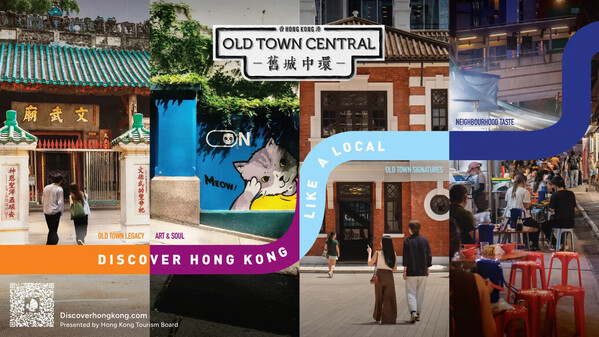
Beyond Hong Kong’s mega events and world-famous attractions, the Hong Kong Tourism Board (HKTB) invites Indian visitors to discover the city like a local through its diverse neighbourhoods. Old Town Central, one of HKTB’s signature neighbourhood experiences, brings Hong Kong’s identity to life through an eclectic mix of East and West, past and present, where historic temples and traditional local businesses sit alongside vibrant street art, contemporary cultural landmarks and award-winning restaurants.
 |
From heritage and art to local flavours and exclusive drinks, explore the neighbourhood from day to night along the iconic Central-Mid-Levels Escalator
Anchored by the world’s longest outdoor covered escalator, the Central-Mid-Levels Escalator, Old Town Central invites visitors to experience the vibrant area from day to night. Four newly curated thematic experiences reveal its culture, heritage, art and food, while an interactive AR guide and authentic local voices offer deeper insight into the people and stories behind the neighbourhood. Limited-time keepsakes and themed drinks add even more ways to experience — and remember — Central like a local.
Uncovering Central’s Heartbeat: Themed Experiences and Authentic Local Voices Along the Central-Mid-Levels Escalator
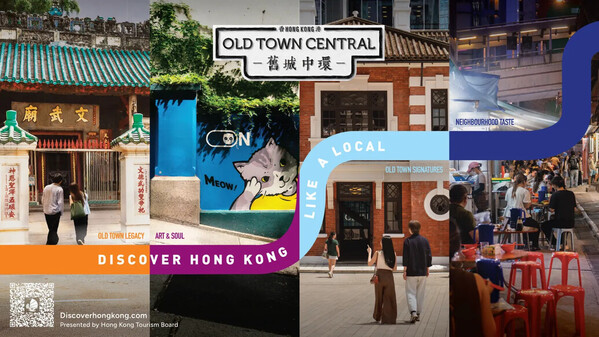
More than a way to move through Central, the iconic Central-Mid-Levels Escalator becomes the backbone for exploring the neighbourhood’s rich culture, history and community. Designed to bridge the distance between travellers and local residents, the experience encourages visitors to venture beyond the main thoroughfares and immerse themselves in the neighbourhood through four themed experiences highlighting handpicked community gems:
-
Old Town Signatures encompasses some of the quintessential experiences that make Central unmistakably Hong Kong. Visitors can explore traditional wet markets and historic temples, stop by one of the city’s last artisanal soy sauce makers at Kowloon Soy Co. Ltd, experience the bustle of an authentic dai pai dong, or browse the open-air stalls of Upper Lascar Row. Together, these local institutions offer a snapshot of the traditions, flavours and everyday experiences that have shaped the neighbourhood.
-
Old Town Legacy brings Central’s layered history to life, making it an ideal introduction for families and first-time visitors. From the distinctive granite steps of Pottinger Street and the revitalised former police station and prison complex at Tai Kwun, to the historic Dr Sun Yat-sen Museum and traditional tong lau architecture, this experience traces the people, places and East-meets-West influences that have shaped the district over generations.
-
Neighbourhood Taste explores Central through one of the best ways to understand Hong Kong: its food. From breakfast through to nightcap, the experience brings Michelin-starred restaurants, acclaimed and beloved local institutions together side by side. Visitors can begin with traditional tea and dim sum, discover neighbourhood bakeries and herbal tea shops, and explore Central’s internationally celebrated restaurants after dark.
-
Art & Soul reveals the creative side of Central, where contemporary art and design exist alongside traditional craftsmanship and historic streetscapes. Visitors can discover world-class galleries and colourful murals around Hollywood Road, browse antiques along Upper Lascar Row, explore cutting-edge creativity and design at PMQ, and wander through character-filled streets including Wing Lee Street and Tai Ping Shan Street.
To bring visitors even closer to the heartbeat of the community, a new interactive AR web app (accessed via DiscoverHongKong.com) triggers dynamic, motion-activated content at key locations along each themed experience. The local connection is further deepened through immersive audio experiences, where local business owners or staff at local institutions share personal stories about Central’s evolving character. Featured local voices include:
-
Bonny Yuen (Founder of Yuen’s Tailor): a family-run tailoring shop boasting over 55 years of history and craftsmanship.
-
Gavin Yeung (Co-founder of Kinsman): a Central place known for its innovative drinks inspired by Cantonese and Chinese flavours.
-
Ben Tsui (Fourth-generation owner of Kung Lee Herbal Tea Shop): a time-honoured herbal tea shop famous for its fresh sugar cane juice and traditional herbal jelly.
-
Cecilia Chan (Co-founder of Glocal Mahjong): one of the few places in Hong Kong where visitors can pick up a unique mahjong-themed souvenir.
Take Central Memories Home with Limited-Time Keepsakes and Drinks
To mark the launch of the campaign, Old Town Central is introducing a series of exclusive collaborations and special experiences available for a limited time, giving Indian visitors even more reasons to explore the neighbourhood.
Visitors can collect a complimentary Old Town Map to guide their journey through the neighbourhood’s hidden gems, while tourists who spend HKD200 or more in a single same-day transaction at participating merchants can redeem one of five limited-edition Street Sign Pins at Central Market, Tai Kwun, PMQ or other participating merchants.
The new Old Town Central experience is part of HKTB’s broader effort to encourage Indian visitors to explore Hong Kong’s diverse neighbourhoods and connect more deeply with the communities that define the city. By combining heritage, creativity, gastronomy and innovation, Old Town Central invites travellers to venture beyond the city’s more familiar landmarks and discover the authentic stories waiting around every corner.
About Hong Kong Tourism Board (HKTB)
The Hong Kong Tourism Board (HKTB) is a government-subvented body tasked with marketing and promoting Hong Kong as a travel destination worldwide and enhancing visitors’ experience once they arrive. These include making recommendations to the Government and other relevant bodies on the range and quality of visitor facilities.
The HKTB’s missions are to maximise the social and economic contribution made by tourism to the community of Hong Kong and to consolidate Hong Kong’s position as a unique, world-class, and most desired destination.